Have you ever wondered what powers the gadgets you use every day? From your smartphone to your smart TV, the consumer electronics industry is behind it all.
This industry shapes how you connect, work, and entertain yourself. Understanding it can give you a clearer picture of the technology that surrounds you. Keep reading to discover what the consumer electronics industry really is and why it matters to you.
Evolution Of Consumer Electronics
The evolution of the consumer electronics industry shows how technology has shaped everyday life. From bulky radios to sleek smartphones, each leap reflects changing needs and innovations. Understanding this journey helps you appreciate the devices you use daily and anticipate what’s next.
Early Beginnings: From Radio To Television
The consumer electronics story starts with the radio in the early 20th century. Radios brought news and entertainment into homes, transforming how people connected with the world.
Television followed, combining audio and visuals to create a new experience. It changed family routines and became a centerpiece in living rooms.
Rise Of Personal Electronics
The 1970s and 1980s introduced personal devices like the Walkman and early video game consoles. These gadgets put entertainment in your hands, allowing more control over what and when you consume.
Personal electronics made technology more intimate and portable. Have you noticed how these devices started shaping your daily habits and social interactions?
Digital Revolution And Connectivity
The shift to digital in the 1990s and 2000s brought computers, smartphones, and the internet together. Devices became smarter, connecting you not only to information but also to people worldwide.
This era emphasized convenience and speed. Think about how quickly you can now access information compared to just a decade ago.
Smart Devices And The Internet Of Things
Today’s consumer electronics include smart home devices, wearables, and AI assistants. These products learn from you and adapt to your lifestyle, making everyday tasks easier.
Smart devices raise important questions about privacy and data use. How comfortable are you with your gadgets knowing so much about your habits?
Future Trends: What’s Next?
Looking ahead, expect more integration of virtual reality, augmented reality, and advanced AI. These technologies aim to blur the lines between the digital and physical worlds.
Will future devices change not just how you live but how you perceive reality? Staying aware helps you make smarter choices as technology evolves.
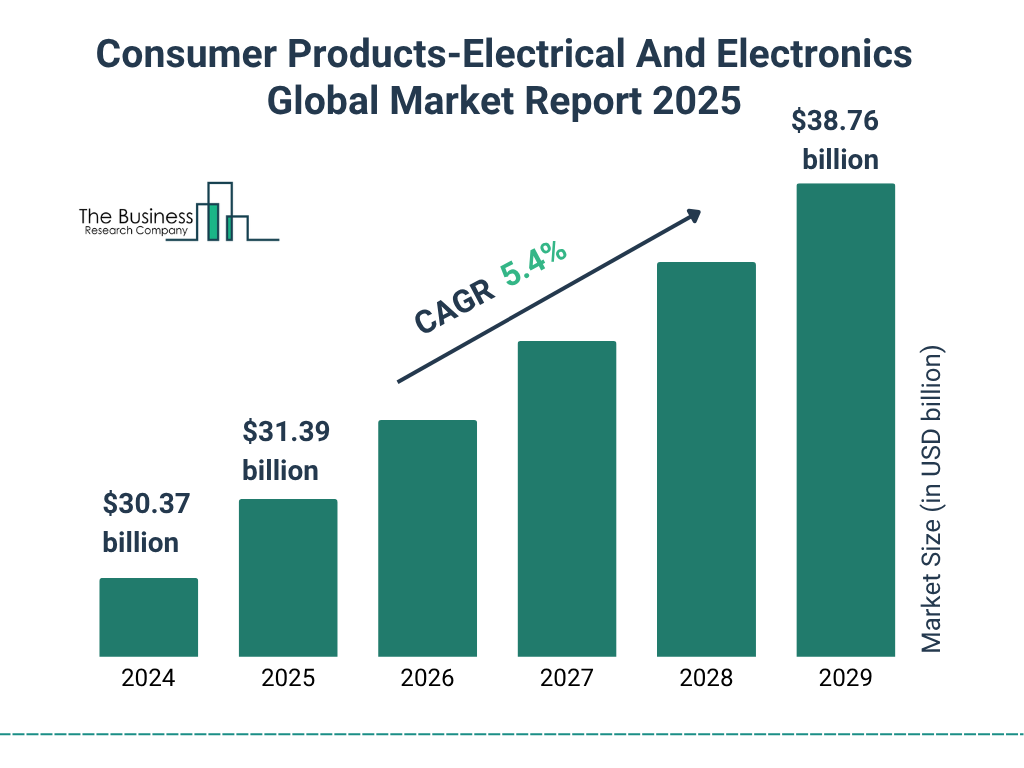
Credit: www.thebusinessresearchcompany.com
Major Segments In The Industry
The consumer electronics industry is vast and diverse, covering a range of products that impact your daily life. Understanding its major segments helps you see where innovations are happening and where your next tech purchase might fit. These segments focus on different needs but often overlap, creating exciting opportunities for both consumers and businesses.
Home Entertainment
Home entertainment includes devices that bring movies, music, and gaming right into your living room. Think of smart TVs, sound systems, and streaming devices that deliver high-quality experiences. Have you noticed how quickly TV screens have become thinner and smarter? This segment is constantly evolving to make your home more engaging and connected.
Mobile Devices
Mobile devices like smartphones and tablets keep you connected on the go. They combine communication, entertainment, and productivity into one compact gadget. Consider how your phone has replaced many other devices—camera, GPS, even a wallet. This segment drives much of the innovation you see in apps and mobile services.
Wearable Technology
Wearable technology fits seamlessly into your lifestyle, offering health tracking, notifications, and more. Smartwatches and fitness bands are just the beginning; some wearables now monitor your sleep and stress levels. How often do you check your wearable for updates? These gadgets make staying informed and healthy easier than ever.
Smart Appliances
Smart appliances transform everyday chores into automated tasks. Refrigerators that track your groceries and ovens you control from your phone are becoming common. Imagine starting your coffee maker from bed or getting alerts when your laundry is done. These appliances save time and add convenience to your daily routine.
Key Players And Brands
The consumer electronics industry thrives on innovation, competition, and brand reputation. Knowing the key players and brands helps you understand market trends and product quality. These companies shape the technology you use daily, from smartphones to smart home devices.
Global Giants Shaping The Market
Companies like Apple, Samsung, and Sony dominate the industry with their vast product ranges and cutting-edge technology. Apple’s focus on design and user experience sets it apart, while Samsung leads in display and memory technology. Sony remains a powerhouse in audio and entertainment electronics.
Emerging Innovators Changing The Game
Brands such as Xiaomi, OnePlus, and TCL are gaining traction by offering high-quality products at affordable prices. Xiaomi combines smart technology with cost efficiency, appealing to budget-conscious consumers. OnePlus attracts users looking for premium smartphones without the premium price tag.
Specialized Brands With Unique Strengths
Some companies focus on niche markets, providing specialized devices like gaming consoles or home automation tools. Logitech excels in computer peripherals, while GoPro leads in action cameras. These brands cater to specific needs, ensuring you get the best product for your hobby or lifestyle.
How Brand Choices Affect Your Experience
Choosing the right brand isn’t just about price or specs; it influences reliability and customer support. Have you ever bought a device that quickly became obsolete or lacked proper updates? Understanding brand reputation can save you frustration and money in the long run.
.png)
Credit: www.podbase.com
Technological Advancements
The consumer electronics industry grows fast due to new technologies. These advancements improve product features and user experience. They help devices become smarter, faster, and more connected. The rise of AI, IoT, and AR/VR shapes the future of electronics.
Ai And Machine Learning
AI and machine learning make devices think and learn. They allow gadgets to understand user habits and preferences. Smart assistants, like voice-controlled speakers, rely on AI. AI helps improve camera quality and battery life. It also enhances security through facial recognition.
Internet Of Things (iot)
IoT connects devices to the internet for better control. Smart homes use IoT to link lights, locks, and appliances. This technology lets users manage devices remotely via smartphones. IoT improves device efficiency and saves energy. It creates a network of smart, interacting electronics.
Augmented And Virtual Reality
AR and VR change how users see the world. AR adds digital images to real surroundings using smartphones or glasses. VR creates a fully virtual environment for gaming and training. These technologies offer immersive experiences in entertainment and education. They open new doors for interactive consumer electronics.
Consumer Behavior Trends
Consumer behavior trends shape the consumer electronics industry deeply. Buyers’ choices and habits shift with technology and social change. Understanding these trends helps brands meet customer needs better. Let’s explore key shifts that define today’s consumer electronics market.
Shifts In Purchasing Habits
Consumers now prefer value and convenience over brand loyalty. Many buyers research products online before buying. They compare prices and read reviews carefully. Quick upgrades and new features attract repeat purchases. Subscription services and leasing options gain popularity too.
Rise Of Online Shopping
Online shopping has grown fast in consumer electronics. Buyers enjoy easy access to many products on the web. Mobile devices play a big role in shopping decisions. Fast delivery and easy returns boost online sales. Social media and influencers also guide purchasing choices.
Demand For Sustainability
More consumers want eco-friendly products and packaging. They look for energy-efficient devices and recyclable materials. Brands that show environmental care earn more trust. Repairable and longer-lasting products appeal to many buyers. Sustainability influences buying decisions strongly today.
Challenges Facing The Industry
The consumer electronics industry faces many challenges that affect its growth and innovation. These obstacles create pressure on manufacturers, retailers, and consumers alike. Companies must adapt quickly to survive and thrive in this fast-paced market.
Challenges range from supply chain problems to strict regulations and security risks. Understanding these issues helps explain the industry’s current state and future direction.
Supply Chain Disruptions
Supply chains in consumer electronics are complex and global. Any delay in one part can halt the entire production. Natural disasters, pandemics, and political tensions cause frequent disruptions. Shortages of key components like chips impact product availability and prices. Companies struggle to keep up with demand and maintain smooth operations.
Regulatory Hurdles
The industry must follow many rules and standards worldwide. Different countries have various safety, environmental, and privacy laws. Meeting these rules requires time and money. Non-compliance can lead to fines and bans on products. Changing regulations force companies to constantly update their practices.
Cybersecurity Concerns
Consumer electronics often connect to the internet, making them targets for hackers. Weak security can expose personal data and cause device malfunctions. Protecting products from cyber threats is critical. Companies invest heavily in security measures but still face ongoing risks. Consumers demand safer devices and better privacy controls.
Future Predictions
The future of the consumer electronics industry is packed with exciting possibilities. As technology evolves, so do the opportunities for new markets, products, and faster connectivity. Understanding these changes can help you stay ahead, whether you’re a consumer, a business owner, or simply curious about what’s next.
Emerging Markets
Emerging markets are becoming a major focus for consumer electronics companies. Countries in Asia, Africa, and Latin America show rapid growth in middle-class populations with increasing buying power.
This means more demand for affordable, high-quality gadgets. Have you noticed how smartphones and smart home devices are becoming common even in places that had limited access before? This trend pushes companies to tailor products to local needs and price points.
Innovative Product Development
Innovation is no longer just about making devices smaller or faster. It’s about creating smarter, more intuitive products that fit seamlessly into your daily life.
Wearables that monitor your health, AI-powered assistants that understand context, and eco-friendly devices are gaining popularity. Think about a smartwatch that not only tracks your steps but also predicts potential health issues based on your data — such real advances are shaping the next wave of electronics.
Integration Of 5g Technology
5G technology is not just faster internet; it’s a game changer for consumer electronics. It enables real-time communication, which is critical for devices like autonomous cars, smart cities, and remote healthcare tools.
You might wonder how this affects your gadgets. Imagine video calls without lag or instant downloads of large files. The smoother experience 5G offers will push manufacturers to develop products that fully utilize this speed and low latency.

Credit: www.signalintegrityjournal.com
Frequently Asked Questions
What Defines The Consumer Electronics Industry?
The consumer electronics industry involves manufacturing and selling devices used daily. It includes gadgets like smartphones, TVs, and wearables. This sector focuses on innovative technology for personal use and entertainment.
Which Products Are Included In Consumer Electronics?
Products include smartphones, laptops, tablets, televisions, audio devices, and smart home gadgets. These devices enhance communication, entertainment, and convenience in everyday life.
How Does The Consumer Electronics Industry Impact Daily Life?
It improves communication, entertainment, and productivity through advanced gadgets. It drives technological innovation and influences lifestyle changes globally.
What Trends Are Shaping The Consumer Electronics Industry?
Current trends include smart devices, IoT integration, wearable technology, and AI enhancements. These trends focus on connectivity, convenience, and personalized user experiences.
Conclusion
The consumer electronics industry shapes how we live and work daily. It includes devices like smartphones, TVs, and computers. This industry grows fast and changes often. New technology brings better products every year. People rely on these gadgets for fun and work.
Understanding this industry helps us see its impact. It shows how technology connects the world. The future holds even more innovation and change. Staying aware helps us choose the best devices. The consumer electronics industry stays important for everyone.
Leave a Reply