Have you ever wondered just how quickly wearable technology is changing your daily life? From smartwatches tracking your health to earbuds enhancing your music experience, these gadgets are everywhere—and growing fast.
But how fast exactly? Understanding this rapid growth can help you stay ahead, make smarter choices, and get the most out of your devices. Keep reading to discover the surprising speed at which wearable technology is evolving and what it means for you.

Credit: straitsresearch.com
Current Market Size
The wearable technology market has expanded rapidly in recent years. It shows strong demand from health, fitness, and lifestyle users. This growth reflects rising interest in smartwatches, fitness bands, and other wearable devices.
Market size is a key indicator of this growth. It reflects sales, revenue, and consumer adoption worldwide. Understanding current market size helps predict future trends and investment opportunities.
Global Sales Figures
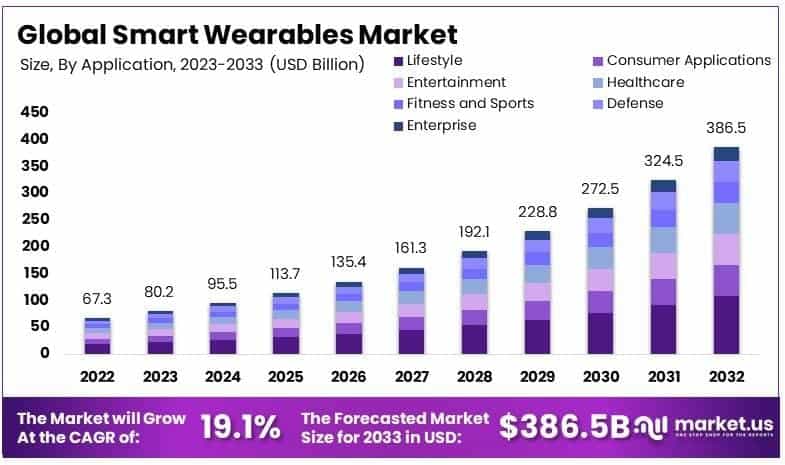
Global wearable device sales reached over 490 million units in 2023. This number shows a consistent yearly increase of about 12%. Smartwatches make up more than half of these sales. Fitness trackers and hearables follow closely behind.
Revenue from wearable tech surpassed $80 billion last year. Analysts expect this figure to grow by 15% annually. Growth is driven by new features, better battery life, and wider availability.
Key Market Players
Several companies dominate the wearable technology market. Apple leads with its popular Apple Watch series. Samsung and Fitbit hold strong positions with diverse product lines. Garmin focuses on fitness and outdoor wearables.
Other important players include Xiaomi, Huawei, and Bose. These brands compete on price, innovation, and ecosystem integration. Partnerships with health and fitness apps also boost their market share.
Credit: market.us
Growth Drivers
Wearable technology is growing rapidly due to several key factors. These growth drivers push innovation and boost market demand. They shape how wearables evolve and become more popular worldwide.
Technological Innovations
Advances in sensors and battery life improve wearable devices. Smaller chips and better materials make wearables lighter and more comfortable. Software updates add smart features, enhancing user experience. These innovations allow devices to track health, activity, and more with accuracy.
Consumer Demand Trends
People want devices that connect easily to smartphones and apps. Wearables offer convenience, helping users stay informed and active. Demand rises as prices drop and product options increase. Consumers seek styles that fit daily life and personal taste.
Health And Fitness Focus
Many users buy wearables to monitor health and fitness goals. Features like heart rate monitoring, step counting, and sleep tracking attract buyers. Wearables encourage healthier habits by providing real-time feedback. This focus drives growth in both fitness and medical markets.
Popular Wearable Devices
Wearable technology has become a common part of daily life for many people. These devices help track health, stay connected, and provide quick access to information. The variety of wearable devices has grown fast, appealing to different users with unique needs. Popular wearable devices include smartwatches, fitness trackers, and smart glasses. Each offers specific features and benefits that attract millions worldwide.
Smartwatches
Smartwatches are among the most popular wearable devices. They show notifications, monitor heart rates, and track activities. Many models support apps for weather, music, and messaging. Smartwatches often sync with smartphones for easy access to calls and texts. Their stylish designs make them a favorite for both tech users and fashion lovers.
Fitness Trackers
Fitness trackers focus on health and exercise monitoring. They count steps, measure calories burned, and track sleep patterns. These devices encourage users to stay active and maintain healthy habits. Fitness trackers are usually lightweight and affordable. Many offer water resistance and long battery life for daily use.
Smart Glasses
Smart glasses provide hands-free access to information. They show notifications and display directions directly in the user’s line of sight. Some models include cameras for photos and videos. Smart glasses are still growing in popularity but offer unique uses for work and leisure. Their futuristic design attracts tech enthusiasts and professionals alike.
Regional Market Trends
The growth of wearable technology varies significantly across different regions, influenced by factors like consumer behavior, technological infrastructure, and healthcare systems. Understanding these regional market trends helps you spot opportunities and challenges in the wearable tech space. Let’s look at how North America, Europe, and Asia-Pacific are shaping the future of wearables.
North America
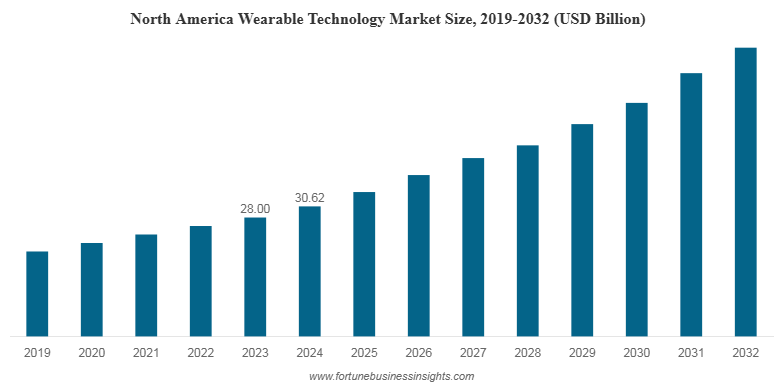
North America leads in wearable technology adoption thanks to high disposable incomes and strong healthcare integration. Devices like fitness trackers and smartwatches are widely used not just for fitness but also for chronic disease management.
Tech giants and startups both drive innovation here, pushing boundaries with new features like ECG monitoring and AI-powered health alerts. Are you making the most of these advanced wearables to improve your health or productivity?
Europe
Europe shows steady growth with a focus on privacy and data security, which influences consumer trust. Countries like Germany and the UK are investing heavily in wearable health devices tied to national health services.
This region often sees wearables used in preventive healthcare and elderly care, creating practical benefits for users and healthcare providers. How might you leverage wearable tech to support your own or your family’s wellbeing in such a system?
Asia-pacific
Asia-Pacific is the fastest-growing market for wearables, fueled by rising smartphone penetration and affordable devices. Markets like China and India show massive demand for budget-friendly fitness bands and smartwatches.
In addition to consumer use, wearables are increasingly adopted in industries like manufacturing and logistics for safety and efficiency. What new ways can you imagine using wearables in your workplace or daily routine?
Challenges Facing The Market
The wearable technology market is booming, but it’s not without its hurdles. These challenges can slow down adoption and affect your experience with the devices. Understanding these issues helps you make smarter choices and sets realistic expectations for what wearable tech can deliver today.
Privacy Concerns
Wearables collect a lot of personal data, from your heart rate to location. This raises questions about who has access to this sensitive information and how securely it’s stored.
Have you ever wondered where your health stats go after syncing with an app? Companies might share data with advertisers or third parties, sometimes without clear consent.
You should ask yourself: Are you comfortable with potential data leaks or misuse? Taking control means checking privacy policies and adjusting app permissions regularly.
Battery Life Limitations
Battery life remains a major pain point. Many wearables need daily charging, which can disrupt your routine and reduce their usefulness.
Imagine going for a long hike and realizing your device died halfway. This happens more often than you think, especially with features like GPS and continuous monitoring.
Look for devices that balance power and efficiency. Some newer models offer longer battery life but might limit certain functions to achieve it. How much trade-off can you accept?
High Costs
Wearable tech often comes with a hefty price tag. Advanced sensors, sleek designs, and brand names drive costs up, putting these gadgets out of reach for many.
I once hesitated buying a smartwatch because the price didn’t seem justified by its features. Later, I found budget-friendly options with solid performance that met my needs.
Ask yourself if the features you want justify the cost. Sometimes, waiting for sales or choosing simpler models can save you money without sacrificing quality.
Future Market Projections
The future of wearable technology looks promising with strong market growth ahead. Experts expect rapid expansion driven by new uses and tech advances. This growth will shape how people use wearables daily.
Below are key factors influencing the future market projections for wearable technology.
Estimated Growth Rates
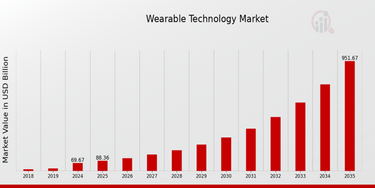
The wearable tech market is set to grow at a fast pace. Annual growth rates of over 15% are predicted globally. This rise is fueled by increasing demand for health and fitness trackers. Smartwatches and earbuds also contribute significantly to growth. Analysts forecast the market could reach hundreds of billions in value within a few years.
Emerging Technologies
Innovations in sensors and connectivity will boost wearable capabilities. Flexible displays and better battery life will improve user experience. Integration with artificial intelligence will make wearables smarter. Advances in health monitoring sensors will support chronic disease management. Voice recognition and augmented reality features will become more common.
New Consumer Segments
Wearable tech will attract diverse groups beyond fitness fans. Elderly users will adopt devices for health tracking and safety. Children’s wearables for learning and safety will grow in popularity. Workplace wearables will help improve safety and productivity. Sports professionals will continue to use advanced wearables for training insights.
Credit: www.marketresearchfuture.com
Frequently Asked Questions
What Drives Wearable Technology Growth?
Wearable technology growth is driven by innovations and increasing consumer demand. Advancements in health monitoring, fitness tracking, and smart accessories fuel adoption. Consumers seek convenience, connectivity, and health insights, enhancing market expansion. The integration of AI and IoT further accelerates development.
These factors contribute to rapid growth in the wearable tech industry.
How Wearable Tech Impacts Daily Life?
Wearable tech enhances daily life by providing health insights and connectivity. Devices track fitness, monitor health, and offer real-time notifications. They facilitate seamless communication and convenience. Users benefit from personalized data and improved lifestyle choices. Wearable tech integrates technology into everyday routines, making life more efficient and informed.
Which Industries Benefit From Wearable Tech?
Healthcare, fitness, and fashion industries benefit from wearable tech. Healthcare uses devices for patient monitoring and health management. Fitness enthusiasts use wearables for activity tracking and performance analysis. The fashion industry incorporates smart accessories, enhancing style and functionality. These industries leverage wearable tech for innovation and consumer engagement.
Are Wearables Popular Among All Age Groups?
Wearables are popular among various age groups, from young adults to seniors. Younger users embrace fitness trackers and smartwatches for connectivity. Seniors benefit from health monitoring features, enhancing safety and well-being. The diverse applications of wearables cater to different needs, making them appealing across age demographics.
Conclusion
Wearable technology grows faster every year. People use it for health, fitness, and daily tasks. New devices appear with better features and designs. This growth shows how much people trust wearables. The future holds even more smart gadgets. Staying updated helps users enjoy these advances.
The trend will likely continue for many years. Technology and lifestyle blend more closely than before. Wearables are becoming part of everyday life. The pace of change keeps gaining speed.
Leave a Reply