Have you ever wondered how many people in America are actually using wearable technology? From fitness trackers to smartwatches, these gadgets are becoming a part of everyday life.
But are they really that common? Understanding the number of users can help you see if you’re ahead of the curve or just catching up. Keep reading to discover surprising facts about wearable tech in America—and find out what this means for your lifestyle and health.
Wearable Tech Popularity In The Us
Wearable technology has become a common part of daily life in the United States. Millions of people use devices like smartwatches and fitness trackers. These gadgets help track health, stay connected, and manage tasks easily. The popularity of wearables continues to grow as technology improves and prices drop.
Growth Trends Over The Years
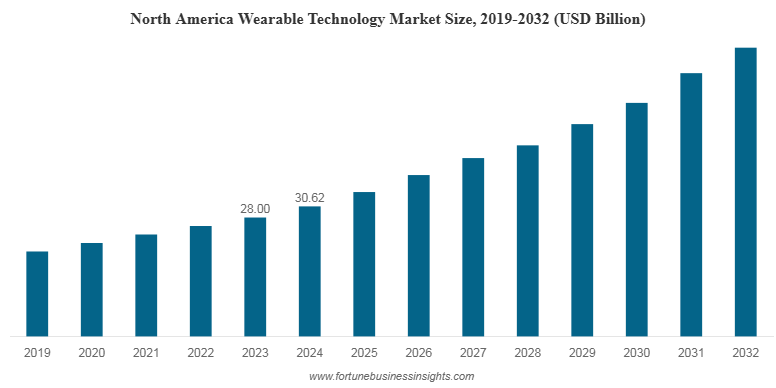
The number of wearable tech users in the US has increased steadily. In 2015, only a small percentage owned devices. By 2023, over 30% of Americans used some form of wearable tech. The rise is due to better features and more brands entering the market. Sales often peak during holidays and new product launches.
Demographic Breakdown
Wearable tech appeals to many age groups but is most popular among young adults. People aged 18 to 35 are the largest users. Women and men use these devices almost equally. Urban residents tend to use wearables more than those in rural areas. Income level also affects ownership, with middle and upper-class groups leading.
Top Devices Used
- Smartwatches from brands like Apple and Samsung
- Fitness trackers from Fitbit and Garmin
- Wireless earbuds with health monitoring features
- Smart rings and health monitors
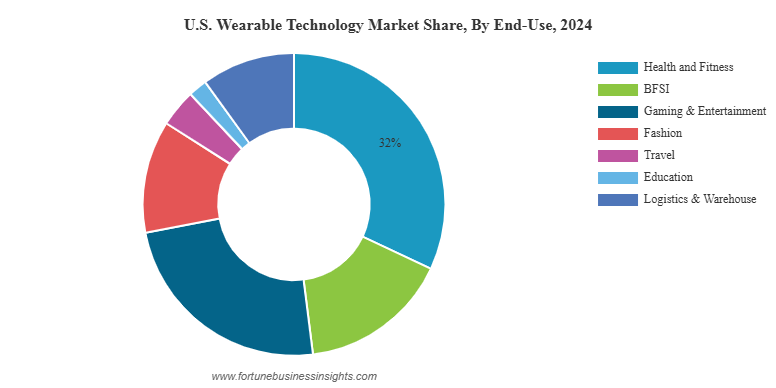
Smartwatches hold the largest share due to their many functions. Fitness trackers remain popular for exercise and health tracking. New devices with advanced sensors are gaining attention too.
Credit: www.fortunebusinessinsights.com
User Habits And Preferences
Many people in America use wearable technology daily. These devices fit easily into routines and offer helpful features. Users choose wearables based on what suits their lifestyle best. Understanding their habits and preferences shows why wearables remain popular.
Common Features People Use
- Step counting to track daily activity
- Heart rate monitoring for health insights
- Sleep tracking to improve rest quality
- Notifications for calls, texts, and apps
- GPS for navigation and exercise routes
Frequency Of Wearable Usage
Most users wear their devices every day. Many keep them on from morning until night. Some use wearables only during workouts. Others rely on them to monitor health around the clock. Daily use helps users stay connected and informed.
Most Popular Brands
| Brand | Popularity | Key Features |
|---|---|---|
| Apple | Highest | Health tracking, apps, seamless iPhone integration |
| Fitbit | High | Activity tracking, sleep monitoring, affordability |
| Garmin | Moderate | GPS, fitness focus, rugged design |
Impact On Health And Fitness
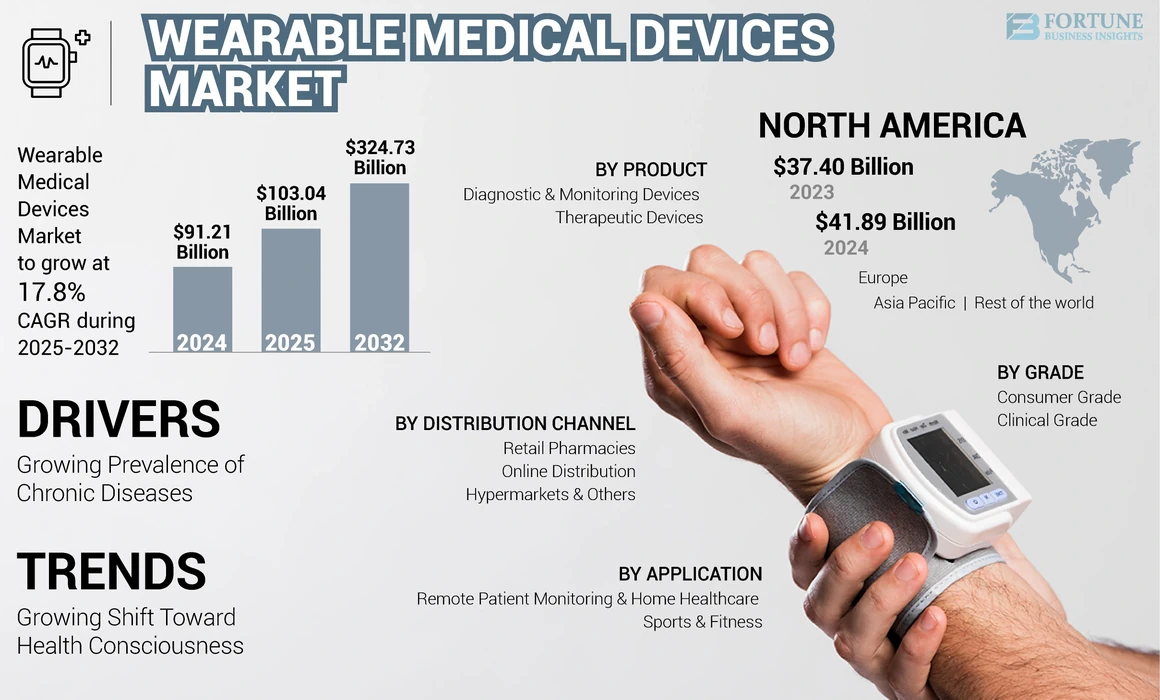
Wearable technology has changed how many Americans approach health and fitness. These devices help users stay aware of their bodies and make smarter health choices. The impact on health and fitness is clear through several key areas.
Tracking Physical Activity
Wearable devices record steps, distance, and calories burned. Users get real-time feedback on their daily movements. This data motivates people to stay active and meet goals. Many wearables also track specific workouts like running or cycling. This helps users improve performance and consistency.
Health Monitoring Benefits
Many wearables track heart rate, sleep patterns, and stress levels. This information helps users spot health issues early. Continuous monitoring supports better management of chronic conditions. Some devices even alert users to irregular heartbeats. This feature can lead to faster medical attention and prevention.
Influence On Lifestyle Changes
Wearables encourage users to adopt healthier habits. The reminders to move and breathe promote better daily routines. Users often adjust their diets and sleep based on device feedback. This ongoing data helps build long-term wellness habits. Many people feel more in control of their health journey.
Credit: www.fortunebusinessinsights.com
Technology And Innovation
Wearable technology is reshaping how millions in America live, work, and stay healthy. Innovation drives this wave, pushing devices to offer more than just time or step counts. These gadgets now blend seamlessly into daily life, delivering smart solutions that feel personal and practical.
Latest Wearable Features
Today’s wearables come packed with features that go beyond basic fitness tracking. You can monitor your heart rate, blood oxygen levels, and even detect irregular heart rhythms. Some devices alert you to stress levels, helping you manage mental health on the go.
Many wearables also include GPS tracking for outdoor activities and advanced sleep monitoring that provides detailed insights into your rest quality. Voice assistants are integrated, letting you control your smart home or get directions without touching your phone.
Integration With Other Devices
Wearables no longer work in isolation. They connect smoothly with smartphones, tablets, and even smart home gadgets. This integration lets you receive calls, texts, and notifications right on your wrist, keeping you connected without pulling out your phone.
For fitness enthusiasts, syncing data with apps helps create personalized workout plans and tracks progress over time. Have you noticed how your smartwatch works with your wireless earbuds to control music or answer calls? This kind of synergy makes daily tasks easier and more efficient.
Future Trends In Wearables
What’s next for wearable tech? Expect more health-focused innovations like continuous glucose monitoring for diabetics and early disease detection features. Wearables will become even more discreet, with flexible screens and smart fabrics weaving technology into clothing.
Battery life improvements and faster processing power will make these devices more reliable for extended use. Think about how your life could change if your wearable not only tracks your health but also predicts potential issues before they happen. Are you ready to embrace this level of personal insight?
Challenges And Concerns
Wearable technology has grown fast in America, but it faces many challenges. These concerns affect users and their willingness to adopt these devices. Understanding these issues helps explain the current usage trends.
Privacy And Data Security
Wearable devices collect a lot of personal data, including health and location details. This raises worries about who can access this data. Users fear their information might be shared without permission or hacked.
Manufacturers must improve security to protect user privacy. Strong encryption and clear privacy policies are key. Users should be aware of what data is collected and how it is used.
Device Accuracy Issues
Many wearables track steps, heart rate, and sleep patterns. But some devices show inaccurate results. This can mislead users about their health status. Accuracy varies by brand and model.
Inaccurate data reduces trust in wearable technology. Reliable sensors and regular updates can help improve accuracy. Users should check reviews and choose trusted brands.
User Adoption Barriers
Not everyone finds wearable tech easy to use. Some devices have complex settings or short battery life. Cost also stops many people from buying these gadgets.
Older adults and people with limited tech skills may struggle more. Clear instructions and affordable options can encourage wider use. Simpler designs attract more users.
Credit: www.idtechex.com
Market Insights And Predictions
The wearable technology market in America shows strong signs of growth and change. Millions already use devices like smartwatches and fitness trackers. This section explores market data and future trends. It highlights who is using wearables and what to expect next.
Current Market Size
Over 100 million Americans use wearable devices today. Smartwatches lead the market, followed by fitness bands and health monitors. These gadgets track activity, heart rate, and sleep patterns. The demand grows as more people want to stay healthy and connected. The market value is estimated at over $15 billion.
Projected Growth Rates
The market is expected to grow at about 10% annually. New technologies and better features attract buyers. Health awareness and remote monitoring boost sales too. By 2027, the user base may reach 150 million. More affordable devices will help reach a wider audience.
Emerging User Segments
Older adults are adopting wearables for health tracking. Children and teens use them for fitness and games. Professionals use wearables to improve productivity and safety. Athletes seek advanced monitoring for performance. Each group drives new features and products. The market adapts to meet diverse needs.
Frequently Asked Questions
How Many Americans Use Wearable Technology In 2024?
Approximately 30% of Americans currently use wearable technology. This includes devices like smartwatches and fitness trackers. Usage continues to rise due to health and convenience benefits.
Which Wearable Devices Are Most Popular In America?
Smartwatches and fitness trackers lead in popularity. Brands like Apple, Fitbit, and Garmin dominate the market. These devices track health metrics and offer smart features.
What Age Group Uses Wearable Technology The Most?
Adults aged 25 to 44 are the largest users. This group values fitness tracking and connectivity features. Usage among older adults is also increasing steadily.
Why Are More Americans Adopting Wearable Technology?
People adopt wearables for health monitoring, fitness tracking, and notifications. The convenience of real-time data encourages regular usage. Advances in technology make devices more accessible.
Conclusion
Wearable technology use in America is growing rapidly. More people enjoy its benefits daily. From fitness tracking to health monitoring, these devices make life easier. They provide valuable insights into personal health. Many Americans now rely on wearables for their daily routines.
This trend shows no signs of slowing down. As technology improves, more will adopt these devices. It’s an exciting time for wearable tech enthusiasts. They eagerly anticipate new features. With ongoing advancements, wearable technology will likely become even more popular.
A significant part of modern life for many. Wearable tech continues to shape the future of health and convenience.
Leave a Reply