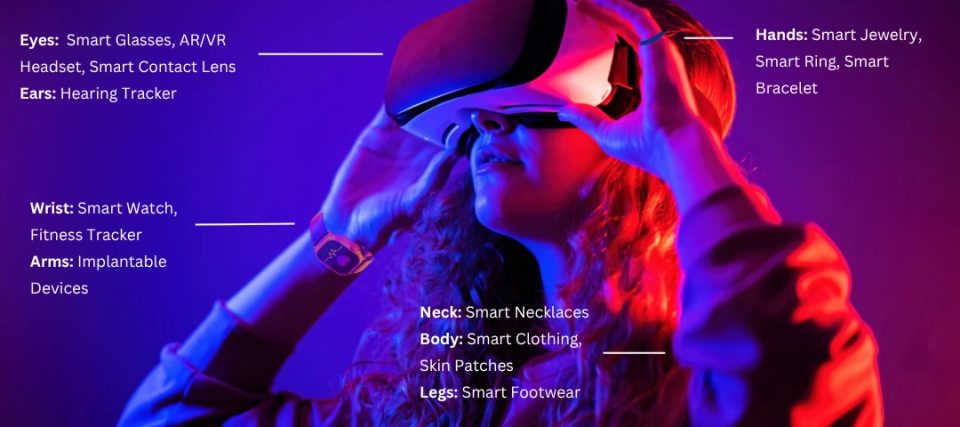
Are you curious about creating wearable technology that stands out? Designing for wearables isn’t just about making gadgets look cool—it’s about blending style, comfort, and smart features into something you’ll want to use every day.
You’ll discover simple steps to design wearables that fit your lifestyle and solve real problems. Ready to turn your ideas into wearable tech that people love? Let’s dive in.
Key Trends In Wearable Tech
Wearable technology is changing fast. Designers must keep up with new trends to create useful products. Understanding key trends helps make better designs. These trends shape how wearables look and work.
Current Market Landscape
The market for wearable devices grows every year. Smartwatches and fitness trackers lead the sales charts. Health-focused devices gain strong interest from users. Many brands compete to offer unique features. Pricing varies to reach different customer groups.
- Fitness and health monitoring remain top priorities.
- Fashion and style influence wearable design.
- Integration with smartphones is common.
Emerging Technologies
New technologies push wearables further. Flexible screens allow curved and bendable devices. Improved sensors track more health data accurately. Battery life advances enable longer use without charging. Artificial intelligence helps personalize user experience.
- Biometric sensors track heart rate, oxygen, and more.
- Voice control improves hands-free operation.
- Wireless charging reduces cable clutter.
User Adoption Patterns
Different groups use wearables in unique ways. Younger users prefer fitness and social features. Older adults focus on health and safety functions. Users value easy-to-use interfaces and comfort. Privacy concerns affect user trust and adoption.
- Simple design improves daily wearability.
- Customization options increase appeal.
- Clear data visualization helps user understanding.
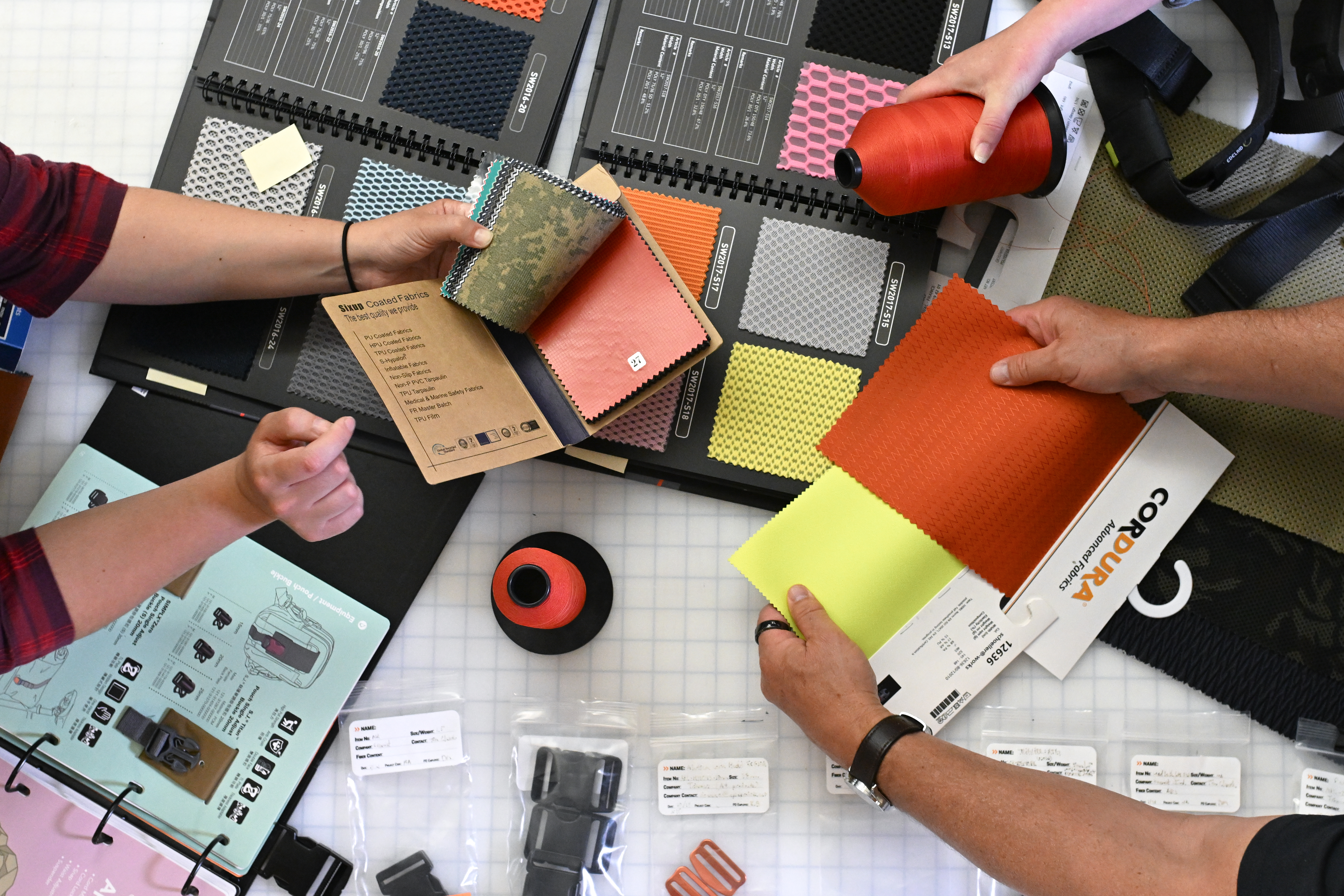
Credit: www.prioritydesigns.com
Essential Design Principles
Designing wearable technology requires a clear focus on key principles. These principles ensure the device is practical, attractive, and easy to use. Each aspect plays a vital role in the user’s daily experience.
Ergonomics And Comfort
Wearables must fit the body well without causing discomfort. The materials should be lightweight and breathable. The design should allow natural movement and avoid pressure points. Comfort encourages users to wear the device for longer periods. Proper sizing and adjustable features improve fit and support.
Aesthetics And Style
The appearance of wearable technology influences user acceptance. Designs should match different personal styles and occasions. Clean lines and appealing colors attract more users. The device should look good whether worn casually or formally. Style impacts how often people choose to wear the technology.
Functionality And Usability
Wearables must perform their tasks efficiently and clearly. Controls should be intuitive and easy to access. The interface needs to be simple and readable on small screens. Quick responses and reliable features build user trust. Practical functions enhance the overall value of the device.
Material Choices For Wearables
Choosing the right materials is key to designing wearable technology. Materials affect comfort, durability, and user experience. They must handle daily wear and contact with skin. Designers balance flexibility, strength, and safety in their choices.
Flexible And Durable Materials
Wearables need materials that bend without breaking. Flexibility helps devices fit the body’s curves. Durability ensures they last through daily use and stress. Common choices include silicone, thermoplastic polyurethane (TPU), and flexible polymers. These materials resist scratches and withstand bending.
Skin-friendly Components
Materials must be safe for long-term skin contact. Hypoallergenic fabrics and coatings reduce irritation. Breathable textiles prevent sweat buildup and discomfort. Soft silicone and medical-grade plastics are popular for skin contact parts. Comfort boosts user satisfaction and encourages regular use.
Sustainable Options
Eco-friendly materials support environmental responsibility. Biodegradable fabrics and recycled plastics reduce waste. Natural fibers like organic cotton or bamboo offer greener alternatives. Designers select sustainable materials to lower the product’s carbon footprint. This approach appeals to eco-conscious consumers.

Credit: www.oreilly.com
Integrating Sensors And Electronics
Integrating sensors and electronics is crucial in designing wearable technology. These components collect data, process it, and communicate with other devices. Proper integration ensures the wearable works efficiently and meets user needs. Careful planning of sensor type, power use, and data handling improves device performance.
Selecting The Right Sensors
Choosing sensors depends on the wearable’s purpose. Common sensors include accelerometers, gyroscopes, heart rate monitors, and temperature sensors. Each sensor measures specific data points. Consider sensor size, accuracy, and power consumption. Small sensors fit better in compact designs. Accurate sensors provide reliable data for better user experience. Low power sensors help extend battery life.
Power Management Solutions
Power management keeps the device running longer. Efficient power use reduces battery size and weight. Techniques like sleep modes and low-power chips save energy. Rechargeable batteries are common in wearables. Solar cells and kinetic energy harvesters can supplement power. Designing a balance between power use and performance is key. This ensures the wearable remains functional throughout daily use.
Data Processing And Connectivity
Data processing transforms raw sensor signals into useful information. Microcontrollers or small processors handle this task inside the device. Fast processing allows real-time feedback. Connectivity options include Bluetooth, Wi-Fi, and NFC. These enable data transfer to smartphones or other devices. Choose connectivity based on range, speed, and power use. Secure data transmission protects user privacy and device integrity.
User Experience Design
User experience design is at the heart of creating wearable technology that feels natural and helpful. Your goal is to make interaction smooth and intuitive, so users want to keep their device close. Every tap, swipe, or glance should add value without causing frustration or confusion.
Interface And Interaction Models
Wearables have small screens and limited input options, so you need to rethink traditional interfaces. Touch gestures, voice commands, and even subtle motions like wrist twists become your tools. Choose interaction models that fit the device’s size and context, such as glanceable notifications or simple tap sequences.
Think about how you personally use a smartwatch. You probably want quick access to key information without digging through menus. Designing with that behavior in mind means prioritizing speed and ease over complex features.
Accessibility Considerations
Wearables should work for everyone, including people with disabilities or different abilities. Large fonts, high contrast colors, and clear audio cues help make the device usable in various environments. Don’t forget about adjustable settings that allow users to personalize how they interact with your product.
Ask yourself: Can someone with limited vision or hearing still benefit from this wearable? Testing with real users who have diverse needs will reveal what works and what doesn’t.
Feedback And Notifications
Effective feedback guides users and confirms actions without overwhelming them. Vibrations, sounds, and visual signals must be balanced to avoid annoyance or missed alerts. Think about the right timing and frequency—too many notifications can cause users to ignore or disable them.
Consider how you react to constant pings on your own device. Would a gentle vibration be better than a loud beep in your situation? Tailoring feedback to context improves user satisfaction and keeps your wearable part of their daily routine.

Credit: www.assemblymag.com
Prototyping And Testing
Prototyping and testing are crucial stages in designing wearable technology. They help turn your ideas into tangible products and reveal real-world challenges early. Skipping these steps can lead to costly mistakes and poor user experiences.
Rapid Prototyping Techniques
Rapid prototyping lets you quickly create a working model of your wearable device. Using tools like 3D printers, laser cutters, or even simple crafting materials can speed up this process. This hands-on approach helps you spot design flaws before investing heavily in production.
Consider using platforms like Arduino or Raspberry Pi for electronics prototyping. These allow you to test sensors, connectivity, and power management without building complex circuits from scratch. How fast can you turn your concept into a physical prototype?
User Testing Methods
User testing reveals how real people interact with your wearable device. You can conduct tests in controlled environments or in everyday settings where users naturally use the product. Observing users helps you understand comfort, functionality, and usability issues.
Try methods like:
- Surveys and interviews for feedback on comfort and aesthetics
- Task-based testing to evaluate if users can easily operate the device
- Long-term wear trials to assess durability and battery life
Iterative Design Improvements
After testing, you must refine your design based on the feedback. Iteration means making small changes, testing again, and repeating this cycle to improve the product continuously. This process uncovers hidden problems and enhances user satisfaction.
Don’t hesitate to discard ideas that don’t work and try different approaches. Each iteration brings you closer to a wearable that truly fits your users’ needs. What small tweak could drastically improve your design today?
Security And Privacy Challenges
Security and privacy challenges stand at the forefront of designing wearable technology. These devices collect sensitive personal data continuously, making them prime targets for breaches. You must think beyond basic safeguards to protect users effectively and maintain their trust.
Data Protection Strategies
Protecting data in wearables requires a mix of strong encryption and secure storage. Encrypt data both when it’s stored on the device and during transmission to other systems. This prevents hackers from intercepting or stealing information.
Implementing multi-factor authentication can also add a crucial layer of security. For example, pairing a wearable with your smartphone for verification reduces unauthorized access risks. Have you considered how your design handles lost or stolen devices?
User Consent And Transparency
Your users need clear information about what data you collect and why. Transparent privacy policies and easy-to-understand consent prompts empower users to make informed choices. Avoid confusing jargon; simple language builds trust.
Offer options for users to control data sharing settings. Let them decide if their health metrics, location, or activity logs get shared with third parties. When users feel in control, they’re more likely to engage positively with your device.
Compliance With Regulations
Wearable tech must follow laws like GDPR, HIPAA, or CCPA depending on the region and data type. These rules outline how personal data should be handled and what rights users have. Ignoring regulations can lead to hefty fines and damage your brand.
Stay updated on evolving legal requirements as wearable capabilities expand. Regular audits and legal consultations can help keep your design compliant. How often do you review your product’s privacy and security measures against current laws?
Future Directions In Wearable Design
The future of wearable design is full of exciting possibilities. Designers and engineers focus on creating smarter, faster, and more useful devices. The goal is to make wearables that fit daily life seamlessly. Innovations in technology will shape the next generation of wearables. These changes will impact how people use devices and how devices help them.
Ai And Machine Learning Integration
Artificial intelligence makes wearables smarter. Devices will learn user habits and preferences. This helps provide personalized feedback and suggestions. Machine learning improves accuracy in tracking health and activities. Wearables will predict needs and adapt in real time. This technology enables more natural interactions with devices.
Advancements In Battery Technology
Battery life limits many current wearables. Future designs will use new battery materials and types. These improvements will extend device usage time. Faster charging will reduce downtime significantly. Some wearables may use energy harvesting from body heat or movement. Better batteries mean lighter and smaller devices.
Cross-industry Applications
Wearables will expand beyond fitness and health. Industries like fashion, entertainment, and manufacturing will adopt these devices. Smart fabrics and flexible electronics will blend technology with clothing. Wearables will assist workers with safety and efficiency. Consumers will enjoy new experiences in gaming and virtual reality. The range of wearable uses will grow rapidly.
Frequently Asked Questions
What Are Key Principles For Designing Wearable Technology?
Wearable design must prioritize comfort, usability, and aesthetics. Devices should be lightweight and unobtrusive. Battery life and seamless connectivity are crucial. User interaction must be intuitive, with clear displays. Durability and water resistance improve functionality in daily use.
How Does User Experience Impact Wearable Design?
User experience drives design choices like interface simplicity and ease of access. Wearables must provide quick, relevant feedback. Personalization and adaptability enhance satisfaction. Good UX reduces learning curves and increases device adoption. It ensures wearables fit naturally into users’ lifestyles.
What Materials Are Best For Wearable Technology Design?
Lightweight, flexible materials like silicone, TPU, and breathable fabrics are ideal. These ensure comfort and durability. Hypoallergenic options prevent skin irritation. Materials must withstand sweat and moisture. Sustainable materials are gaining importance for eco-friendly designs.
How To Integrate Sensors Effectively In Wearables?
Sensors should be strategically placed for accurate data collection. They must be compact to maintain device comfort. Integration requires balancing sensitivity and power consumption. Proper calibration ensures reliable measurements. Seamless sensor integration improves overall device performance.
Conclusion
Designing wearable technology requires creativity and understanding user needs. Focus on comfort. Users demand ease of use and functionality. Consider aesthetics and practical design elements. Seamless integration with daily life is key. Test designs thoroughly before launch. Feedback from users helps improve.
Stay updated with technology trends. This ensures your designs remain relevant. Wearable tech is constantly evolving. Always aim for innovation and adaptability. Balancing style with function is crucial. Successful designs enhance user experience and satisfaction. Keep learning and adapting in this dynamic field.
Your efforts will lead to better, smarter wearables.
Leave a Reply