Is the buzz from your home electronics making you uneasy? You’re not alone.
With the increasing presence of gadgets and devices in our daily lives, many are concerned about the invisible radiation they emit. This radiation, though often low-level, can accumulate and potentially impact your well-being. The good news is, you have the power to reduce this exposure.
Imagine transforming your living space into a sanctuary of peace and safety, free from the invisible waves that you can’t see but want to control. In this guide, you’ll discover practical and effective steps to eliminate radiation from your home electronics, helping you create a healthier environment for you and your loved ones. Stay with us as we reveal the secrets to reclaiming your home and enhancing your peace of mind.

Credit: www.amazon.ca
Sources Of Radiation In Home Electronics
Home electronics have become a staple in daily life, but many people overlook the radiation these devices emit. Understanding the sources of radiation in your home is the first step to reducing exposure. Knowing which devices emit radiation and what types they produce can help you make safer choices.
Common Devices Emitting Radiation
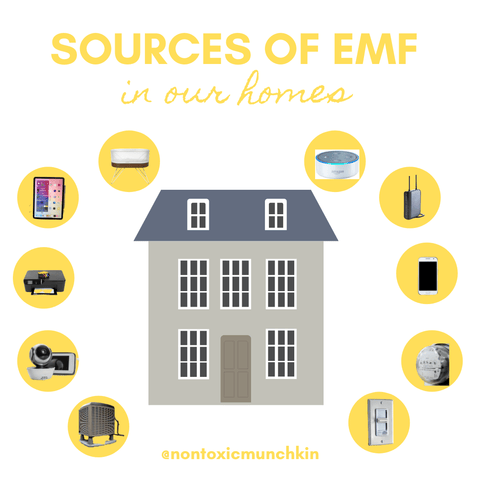
Many everyday gadgets emit some form of radiation. Smartphones and Wi-Fi routers are among the most common sources. They constantly send and receive signals, creating electromagnetic fields around them.
Microwave ovens release radiation when heating food, though they are designed to contain most of it inside. Laptops and tablets also emit radiation, especially when connected to Wi-Fi or Bluetooth. Even cordless phones and baby monitors contribute to the overall radiation in your home.
Have you ever felt your phone heating up during use? That warmth is partly due to the radiation it emits. Recognizing these devices helps you identify where to focus your efforts to reduce exposure.
Types Of Radiation To Watch For
Not all radiation is the same, and some types are more concerning than others. The main types to watch for in home electronics are electromagnetic radiation and radiofrequency (RF) radiation.
- Electromagnetic radiation:Comes from devices like TVs, computer screens, and fluorescent lights. This type can cause low-level exposure over time.
- Radiofrequency radiation:Emitted by wireless devices such as smartphones, routers, and Bluetooth gadgets. This radiation travels through the air and can penetrate your body.
Understanding these types can help you decide which devices need cautious handling. Do you think your Wi-Fi router could be silently adding to your daily radiation dose?

Credit: ehtrust.org
Health Risks Linked To Electronic Radiation
Electronic devices have become essential in our daily lives, but many people overlook the invisible radiation they emit. Understanding the health risks linked to this radiation is crucial if you want to create a safer home environment. Let’s examine how exposure can affect your body both immediately and over time.
Short-term Effects
Exposure to radiation from home electronics can cause immediate symptoms that you might not connect to your devices at first. You may experience headaches, dizziness, or fatigue after using gadgets for extended periods. Some people also report eye strain and sleep disturbances linked to the blue light emitted by screens.
Have you ever felt unusually tired after a long video call or a gaming session? That could be a sign your body is reacting to electronic radiation and screen glare. These effects might seem minor, but they can disrupt your daily routine if ignored.
Long-term Consequences
Continuous exposure to low-level radiation may lead to more serious health problems over time. Research suggests links between long-term exposure and increased risks of certain cancers, hormonal imbalances, and neurological issues. Children and pregnant women are often more vulnerable to these effects.
Think about how many hours you and your family spend near devices every day. Could prolonged exposure be silently affecting your wellbeing? Taking steps to reduce radiation exposure might protect you from these hidden dangers in the long run.
Simple Steps To Reduce Radiation Exposure
Reducing radiation from home electronics is easier than it seems. Small changes can lower your exposure significantly. These simple steps help create a safer space for you and your family.
Optimizing Device Placement
Keep devices away from where you spend most time. Place routers and computers in open areas, not near beds or sofas. Distance reduces radiation intensity. Avoid holding phones directly against your head. Use speaker mode or headphones instead.
Using Protective Barriers
Use shields designed to block electromagnetic waves. These include special cases for phones and laptops. You can also place screens or mats that absorb radiation. Barriers create a safer zone around devices. Check product reviews to find effective options.
Limiting Usage Time
Reduce the time spent near active electronics. Turn off devices when not in use. Schedule breaks to step away from screens and routers. Less exposure means lower health risks. Encourage family members to follow these habits too.
Radiation Shielding Products For Homes
Radiation Shielding Products for Homes offer a practical way to reduce exposure from everyday electronics. These products create a barrier that blocks or absorbs harmful electromagnetic fields (EMFs). You don’t have to redesign your entire living space to feel safer—small changes can make a big difference.
Shielding Paints And Films
Shielding paints are easy to apply on walls, ceilings, and even furniture surfaces. They contain special materials like carbon or metal particles that block EMF radiation.
Applying these paints in rooms where you spend the most time, such as bedrooms or home offices, can noticeably reduce radiation levels. Some paints require a grounding system to work effectively, so check installation instructions carefully.
Window films act similarly by blocking radiation from outside sources and reducing glare. They also help maintain natural light, so your room doesn’t feel dark or closed off.
Specialized Covers And Cases
Electronics like laptops, tablets, and Wi-Fi routers emit radiation continuously. Specialized covers and cases are designed to shield these devices without affecting their functionality.
These covers use layers of conductive fabric or metal mesh to absorb or reflect EMFs. You can find cases for phones and laptops that reduce exposure during use or when the devices are idle.
Have you noticed how your phone heats up after long use? These covers can help minimize radiation and heat, improving comfort and safety. Choosing the right cover depends on the device and your daily habits.
Safe Practices For Wireless Devices
Wireless devices are part of everyday life, but they also emit radiation you might want to reduce. Taking safe steps with your Wi-Fi and Bluetooth settings can lower your exposure without losing convenience. Small changes can make a big difference in your home’s radiation levels.
Managing Wi-fi And Bluetooth Settings
Start by turning off Wi-Fi and Bluetooth when you don’t need them. This simple habit cuts down unnecessary radiation and saves battery life on your devices.
Adjust your router’s settings to lower signal strength, especially if your home is small. Placing the router away from bedrooms and workspaces also helps keep radiation levels down where you spend most of your time.
Consider scheduling Wi-Fi to turn off during night hours. Many modern routers allow you to set automatic off times, reducing radiation while you sleep.
Alternatives To Wireless Connections
Using wired connections like Ethernet cables eliminates radiation from Wi-Fi altogether. This is especially useful for desktop computers or smart TVs that don’t need to move around.
For devices that must stay wireless, try using a USB-to-Ethernet adapter or a wired keyboard and mouse. These reduce your reliance on Bluetooth and Wi-Fi signals.
Have you thought about replacing wireless headphones with wired ones? You’ll reduce radiation exposure without sacrificing sound quality.
Energy-saving And Radiation-reducing Habits
Adopting energy-saving and radiation-reducing habits in your home isn’t just good for your electricity bill—it can also lower your exposure to electromagnetic fields. Small changes in daily routines can make a big difference in how much radiation your devices emit. Think of these habits as simple ways to protect your health while conserving energy.
Turning Off Devices When Not In Use
Leaving electronics on standby might seem harmless, but they still emit low levels of radiation and consume power. Turning off devices completely cuts this unnecessary exposure and helps you save energy. Have you noticed how much quieter your home feels when everything is switched off?
Try to make it a habit to unplug chargers, TVs, and computers when you’re not using them. Using power strips with switches can make this easier, allowing you to turn off multiple devices at once. This small action can reduce your radiation exposure and your monthly energy costs.
Regular Maintenance And Updates
Keeping your electronics in good condition can reduce radiation leaks and improve energy efficiency. Dust buildup can cause devices to overheat and emit more radiation, so cleaning vents and fans regularly is important. Have you ever cleaned your computer or TV to see how much dust collects inside?
Updating software and firmware can also optimize device performance, lowering radiation output and power consumption. Manufacturers often release updates that fix bugs and improve efficiency, so don’t ignore those notifications. Staying proactive with maintenance keeps your devices safer and your home environment healthier.
Monitoring Radiation Levels At Home
Keeping an eye on radiation levels in your home is essential for maintaining a safe living space. Monitoring helps you understand which devices emit radiation and how much exposure you and your family face daily. Taking control starts with knowing the facts about your environment.
Using Radiation Detectors
Radiation detectors come in various forms, from handheld Geiger counters to smartphone apps paired with external sensors. These devices measure electromagnetic fields (EMF) and ionizing radiation emitted by electronics like Wi-Fi routers, microwaves, and cordless phones.
To get accurate readings, hold the detector close to the device you want to test and observe the measurement. Move around the room to spot any hotspots where radiation levels spike. Some detectors provide real-time data, while others store information for later analysis.
Choosing a reliable detector is key. Look for one with clear calibration and user-friendly instructions. Brands like Trifield and Cornet offer models praised for accuracy and ease of use. Have you ever wondered if your everyday gadgets are safer than you think?
Interpreting Measurement Results
Once you have your readings, it’s important to understand what they mean. Radiation levels are usually measured in units like milligauss (mG) for magnetic fields or microsieverts per hour (µSv/h) for ionizing radiation.
Compare your results against recommended safety limits. For example, the Environmental Protection Agency (EPA) suggests keeping EMF exposure below 2 mG in living areas. Levels above this may call for action, like moving devices or adding shielding materials.
Remember, a single high reading near a device doesn’t mean your whole home is unsafe. Look for consistent patterns and prioritize reducing exposure in places where you spend the most time. How much radiation can you reduce by rearranging your electronics today?
Professional Services For Radiation Assessment
Professional services for radiation assessment offer precise analysis of electronic devices. Experts use specialized tools to measure radiation levels in your home. This ensures your living space stays safe and healthy. The process identifies hidden sources of radiation from everyday gadgets. Professionals provide clear reports with actionable advice to reduce exposure.
When To Seek Expert Help
Consider expert assessment if you feel uneasy about radiation risks. New electronic installations or renovations can increase radiation levels. Persistent health issues with no clear cause might signal radiation exposure. High use of wireless devices also warrants professional checks. Experts can detect radiation invisible to the naked eye. Don’t wait for symptoms; early assessment prevents long-term risks.
Choosing The Right Service Provider
Select providers with certified radiation measurement equipment. Check their experience in residential radiation assessment. Look for clear communication and detailed reports. Read reviews and ask for references from past clients. Choose a provider who explains results in simple terms. Confirm they follow safety standards and regulations. Affordable pricing with transparent fees is important. Reliable providers offer follow-up advice and support.

Credit: consciousspaces.com
Frequently Asked Questions
How Can I Reduce Radiation From Home Electronics?
To reduce radiation, keep devices at a distance when not in use. Use wired connections instead of Wi-Fi. Turn off electronics completely when possible. Use radiation shields or cases designed to block emissions. Regularly update device software for better energy management.
Are Radiation Shields Effective For Home Devices?
Yes, radiation shields can block or reduce electromagnetic radiation. They are made from materials that absorb or reflect radiation. However, effectiveness varies by product quality and device type. Use certified shields and combine with other safety measures for best results.
Does Turning Off Electronics Eliminate Radiation?
Turning off devices cuts power supply, stopping radiation emission. Devices on standby still emit low-level radiation. For full elimination, unplug devices or use power strips to disconnect them completely. This reduces continuous exposure to electromagnetic fields.
Is Wired Internet Safer Than Wi-fi Radiation-wise?
Wired internet emits no Wi-Fi radiation, making it safer in terms of electromagnetic exposure. Ethernet cables transmit data without wireless signals. Using wired connections reduces overall home radiation levels and improves network stability.
Conclusion
Reducing radiation from home electronics helps protect your health. Simple steps make a big difference every day. Keep devices away from your body when possible. Use wired connections instead of wireless when you can. Turn off electronics when not in use.
Regularly check for new ways to reduce exposure. Small changes create a safer home environment. Start today and feel the benefits soon. Your health matters, and you control your space.
Leave a Reply