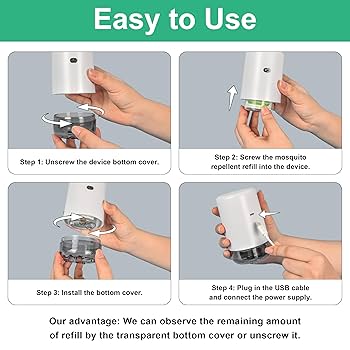
Are you tired of those pesky mosquitoes ruining your relaxing evenings at home? Have you tried store-bought repellents, only to find them ineffective or filled with chemicals you’d rather avoid?
You’re not alone. Many people are searching for a natural, yet effective way to keep mosquitoes at bay. What if I told you that you could make your very own electronic mosquito repellent at home? Imagine enjoying your nights without the annoyance of buzzing insects or the worry of harmful chemicals.
In this guide, you’ll discover a straightforward method to create an electronic mosquito repellent using simple materials you probably already have. Get ready to reclaim your indoor and outdoor spaces, and say goodbye to mosquitoes for good!
Why Choose Electronic Mosquito Repellents
Choosing electronic mosquito repellents can change how you handle those annoying bites around your home. Unlike sprays or coils, these devices use technology to keep mosquitoes at bay without you needing to apply anything on your skin or inhale chemicals. You might wonder if the tech is really worth it—let’s look at why electronic repellents often stand out.
Benefits Over Traditional Methods
Electronic repellents operate quietly and continuously, which means you don’t have to remember to reapply a spray or light a coil every hour. They emit ultrasonic waves or use light to deter mosquitoes, so you avoid the mess of sticky lotions or smoky air.
These devices are usually easy to use—just plug them in or turn them on, and they start working immediately. Plus, no unpleasant odors or stains come with them, which can happen with traditional repellents.
Have you noticed how some chemical sprays irritate your skin or leave a strong scent on your clothes? Electronic repellents remove that concern entirely, making your environment more comfortable.
Safety And Environmental Impact
Electronic repellents don’t rely on toxic chemicals, which can be harmful to children, pets, and even adults with sensitive skin. This makes them a safer choice for households where safety is a top priority.
Unlike aerosol sprays or coils, they don’t pollute the air or leave behind hazardous residues. This means you’re protecting yourself from mosquitoes without harming the environment.
By choosing electronic repellents, you reduce the chemical load in your home and contribute less to environmental waste. Isn’t it worth considering a method that respects both your health and the planet?

Credit: www.amazon.in
Basic Components Needed
Creating an electronic mosquito repellent at home requires a few basic components. These parts work together to produce sound waves or signals that keep mosquitoes away. Understanding these components helps you build the device easily and effectively.
Gathering the right materials ensures your repellent functions well. Most parts are simple and available at local electronics stores or online. The tools needed help assemble the components safely and correctly.
Essential Electronic Parts
- Ultrasonic Transmitter or Piezo Buzzer – emits high-frequency sound mosquitoes dislike
- 555 Timer IC – controls the frequency and timing of the sound signals
- Resistors – limit current flow to protect components
- Capacitors – stabilize voltage and timing
- Transistor – amplifies the signal for the buzzer
- Battery or Power Supply – provides energy to the circuit
- Printed Circuit Board (PCB) or Breadboard – holds and connects components
- Wires and Connectors – link parts together
Tools Required
- Soldering Iron – joins electronic parts securely
- Wire Stripper – removes insulation from wires
- Multimeter – checks voltage and continuity
- Small Screwdriver – tightens screws on connectors or battery holders
- Cutting Pliers – trims wires and leads
- Helping Hands Tool – holds components steady during assembly
Step-by-step Assembly Guide
Building your own electronic mosquito repellent can be both satisfying and cost-effective. This guide breaks down the assembly into clear, manageable parts. You’ll see how each step contributes to a fully functional device you can trust to keep mosquitoes away.
Preparing The Circuit
Start by gathering all the necessary components: a PCB board, resistors, capacitors, a transistor, and a small ultrasonic oscillator. Lay out the parts neatly on your workspace to avoid confusion. Carefully follow the circuit diagram and solder each component onto the PCB, making sure connections are secure and clean.
Pay close attention to the orientation of polarized components like capacitors and transistors. Misplacing them can cause the device to malfunction. If you’ve never soldered before, practicing on scrap boards can save you time and frustration.
Connecting The Power Source
Choose a reliable power source, such as a 9V battery or a USB power supply. Attach the positive and negative terminals of the power source to the corresponding points on your circuit. Double-check polarity to prevent damage.
Consider adding a switch between the power source and circuit for easy on/off control. This little addition improves usability and extends battery life. If your design supports rechargeable batteries, integrating a charging port can be a smart move.
Testing The Device
Once assembled, power up your device and observe its operation. You should hear a faint ultrasonic sound, which is key to repelling mosquitoes. Use a small speaker or ultrasonic sensor to verify the output frequency matches the required range (usually around 20-25 kHz).
If you don’t detect any sound, inspect your solder joints and component placement again. Testing early helps catch mistakes before the device is enclosed in a case. Have you considered measuring power consumption to ensure efficiency? It can save you from unexpected battery drain later.

Credit: www.sail.ca
Tips For Effective Usage
Using an electronic mosquito repellent at home works best with the right approach. Small adjustments can make a big difference in its effectiveness. Below are key tips to get the most out of your device.
Placement In Your Home
Place the repellent in areas where mosquitoes gather most. Common spots include near doors, windows, and corners of rooms. Avoid placing it behind furniture or curtains, which block the signal.
Keep the device at least 3 feet off the ground. Mosquitoes often fly at this height. Use multiple repellents for larger rooms to cover all areas. Ensure the device is away from other electronic gadgets to prevent interference.
Maintenance And Troubleshooting
Clean the device regularly to keep it working well. Dust and dirt can reduce its range. Use a soft cloth to wipe the surface every few days.
Check the power source often. Replace batteries if the device stops working. If it uses a plug, ensure the outlet provides steady power. Reset the device if you notice it is less effective.
Test the device in different rooms to find the best spot. If mosquitoes remain, try moving it or adding another unit. Follow the manufacturer’s instructions for any technical issues.
Enhancing Your Repellent’s Performance
Improving the effectiveness of your electronic mosquito repellent can make a big difference. Small changes can boost its ability to keep mosquitoes away. Focus on natural elements and the circuit design. These two areas have the most impact on performance.
Adding Natural Repellent Elements
Combine natural oils with your device for stronger protection. Essential oils like citronella, eucalyptus, and lavender work well. They emit scents mosquitoes dislike. Use cotton pads soaked in these oils near the repellent.
Other plants like neem or basil also help. Place leaves around the device for a natural boost. This method is safe and chemical-free. It adds an extra layer of defense without complex changes.
Upgrading Circuit Design
Enhance the circuit to improve signal strength and coverage. Use a better oscillator to create more consistent frequencies. This helps the device repel mosquitoes more effectively.
Adding a small fan can spread the scent farther. Make sure the fan runs quietly to avoid noise. Also, use a reliable power source for steady operation. These upgrades increase the device’s reach and efficiency.

Credit: www.reddit.com
Common Mistakes To Avoid
Building your own electronic mosquito repellent can be rewarding, but it’s easy to make mistakes that reduce its effectiveness or even pose risks. Avoiding common errors will save you time, frustration, and potential hazards. Let’s look at some pitfalls you should steer clear of to ensure your device works safely and efficiently.
Incorrect Wiring
Wiring errors are one of the most frequent issues when assembling an electronic mosquito repellent. Even a small mix-up in connections can stop the device from functioning or cause it to short circuit.
Double-check every connection against your circuit diagram before powering up. Use a multimeter to test continuity and ensure no wires are crossed or loose. Have you ever powered a device only to find it completely dead? Often, it’s just a missed wire or reversed polarity.
Take your time with wiring, and don’t rush. Accurate connections make a huge difference in performance and safety.
Ignoring Safety Precautions
Safety should be your top priority when working with electronics, especially if you’re new to this. Many overlook basic precautions like using insulated tools or working on a non-conductive surface.
Always unplug the power source before making adjustments. Wear protective eyewear if soldering, and keep flammable materials away. Have you considered what might happen if your device overheats or shorts out?
Ignoring safety steps can lead to injuries or damage to your home. Small actions like checking for loose components and proper ventilation will keep you safe and your repellent running smoothly.
Frequently Asked Questions
How Does An Electronic Mosquito Repellent Work?
Electronic repellents emit ultrasonic waves that mosquitoes dislike. These waves disrupt their sensory organs, keeping them away. They are safe for humans and pets, making them a popular chemical-free option to prevent mosquito bites effectively.
What Materials Are Needed For A Diy Electronic Repellent?
You need a small circuit board, ultrasonic transducer, resistors, capacitors, and a power source like batteries. Basic soldering tools and a casing to protect the device are also required. These components create the ultrasonic signals that repel mosquitoes.
Is Homemade Electronic Repellent Safe For Children?
Yes, homemade electronic repellents are generally safe for children. They use ultrasonic frequencies that do not harm humans or pets. However, ensure the device is properly enclosed to avoid electrical hazards and keep it out of children’s reach.
How Long Does A Homemade Electronic Repellent Last?
The lifespan depends on battery quality and usage frequency. Typically, batteries last from a few days to weeks. Proper maintenance and using rechargeable batteries can extend the device’s operational time effectively.
Conclusion
Making an electronic mosquito repellent at home is simple and useful. You only need a few common parts and tools. This device helps keep mosquitoes away without harmful chemicals. It saves money and lets you control what goes inside. Try building one to enjoy a peaceful, bite-free environment.
Stay safe and comfortable outdoors or indoors. Small effort, big difference. Give it a go today!
Leave a Reply