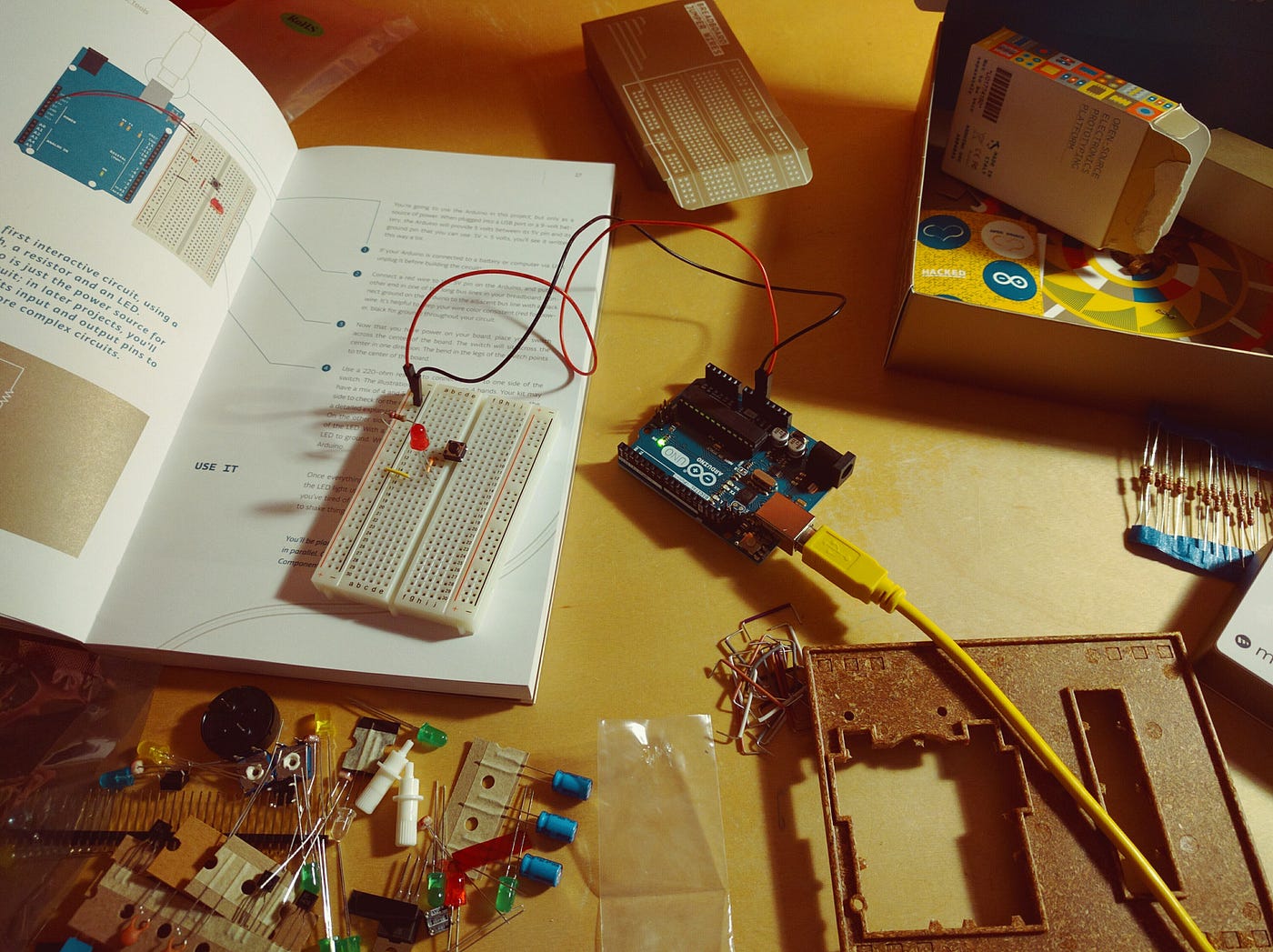
Are you curious about how electronic devices work? Understanding electronic components is the key to unlocking that mystery.
Whether you want to build gadgets, fix broken devices, or simply expand your skills, learning about these tiny parts can feel overwhelming at first. But what if you could grasp the basics quickly and easily? This guide is designed just for you—to break down complex ideas into simple steps, so you can start working with electronics confidently.
Ready to discover the secrets behind every circuit and device? Keep reading, and you’ll be amazed at how quickly you can learn.

Credit: www.youtube.com
Understanding Electronics Basics
Understanding the basics of electronics is the foundation you need to confidently work with electronic components. Grasping core concepts like voltage, current, and resistance helps you see how circuits function and why certain components behave the way they do. Let’s break down these ideas into simple terms that you can easily apply.
Voltage, Current, And Resistance
Voltage is the pressure that pushes electric charges through a circuit. Think of it as the force that moves electrons from one point to another. Without voltage, electricity won’t flow.
Current is the actual flow of electrons through the circuit. It’s measured in amperes (amps) and tells you how much electricity is moving. If voltage is the push, current is the movement that results.
Resistance opposes the flow of current. It’s like a speed bump for electrons, measured in ohms. Higher resistance means less current flows, which affects how components perform.
Ohm’s Law Simplified
Ohm’s Law connects voltage, current, and resistance in a straightforward way: Voltage = Current × Resistance. This means if you know any two values, you can find the third.
| Formula | What It Finds |
|---|---|
| V = I × R | Voltage (V) |
| I = V ÷ R | Current (I) |
| R = V ÷ I | Resistance (R) |
I remember when I first built a simple LED circuit and didn’t use a resistor. The LED burned out quickly because too much current flowed through it. That mistake showed me why understanding resistance and Ohm’s Law is crucial for protecting components.
Have you ever wondered what happens inside a circuit when you change one component? Experimenting with these basics will give you clear answers and make learning electronics much more practical and fun.

Credit: www.reddit.com
Essential Tools For Learning
Learning electronics components becomes much smoother when you have the right tools at your fingertips. These tools not only help you understand how components work but also allow you to experiment and build projects confidently. Having essential tools ready will save you time and frustration, making your learning journey more effective and enjoyable.
Multimeter Usage
A multimeter is your best friend when learning electronics. It measures voltage, current, and resistance, helping you check if components are working properly. You can even test batteries, wires, and circuit continuity with it.
Start by familiarizing yourself with the different settings. Practice measuring a battery’s voltage or checking the resistance of a resistor. This hands-on approach makes concepts real and easier to grasp.
Have you ever wondered why a circuit isn’t working? A multimeter can quickly pinpoint the problem by showing you where electricity is flowing—or where it isn’t. It’s like having a detective tool for your electronics experiments.
Soldering Essentials
Soldering is a key skill for assembling and repairing electronic circuits. To get started, you’ll need a good soldering iron, solder wire, and a few accessories like a stand and sponge.
Choose a soldering iron with adjustable temperature control. This helps prevent damage to sensitive components. Use rosin-core solder wire for cleaner joints that conduct electricity well.
Practice is crucial. Try soldering simple wires together before moving on to circuit boards. This builds your confidence and improves your technique. What small project can you start soldering today to boost your skills?
Key Electronic Components
Understanding key electronic components is essential to mastering electronics. These parts form the foundation of almost every circuit you will build or analyze. Knowing how each component works and where to use it will make your learning process faster and more enjoyable.
Resistors And Capacitors
Resistors control the flow of electric current by adding resistance, which protects sensitive parts of your circuit. Capacitors store and release electrical energy, smoothing out fluctuations or creating timing delays.
Think about when I first built a simple LED circuit. Without the right resistor, the LED burned out quickly. That taught me how crucial resistors are for protecting components.
- Resistors: Measured in ohms (Ω), they limit current and divide voltage.
- Capacitors: Measured in farads (F), they store charge and filter signals.
Ask yourself: How can adjusting resistor or capacitor values change your circuit’s behavior?
Diodes And Transistors
Diodes allow current to flow in one direction only, making them perfect for protecting circuits or converting AC to DC. Transistors act like switches or amplifiers, controlling larger currents with smaller ones.
When I replaced a broken transistor in an old radio, I realized how these tiny parts control complex functions. Without them, your devices wouldn’t turn on or process signals properly.
- Diodes: Common types include LED, Zener, and Schottky diodes.
- Transistors: Bipolar junction transistors (BJTs) and field-effect transistors (FETs) are widely used.
Consider how changing a transistor type could improve or damage your circuit’s performance.
Integrated Circuits
Integrated circuits (ICs) combine many components like transistors, resistors, and capacitors into a single chip. They simplify complex tasks such as amplification, timing, and signal processing.
I remember the first time I used a timer IC to blink an LED automatically. It amazed me how one small chip replaced dozens of separate parts.
| IC Type | Function | Example |
|---|---|---|
| Operational Amplifier | Signal amplification | LM741 |
| Timer | Generate timed pulses | NE555 |
| Microcontroller | Programmable control | Arduino Uno |
What simple projects can you create by combining different ICs with basic components?
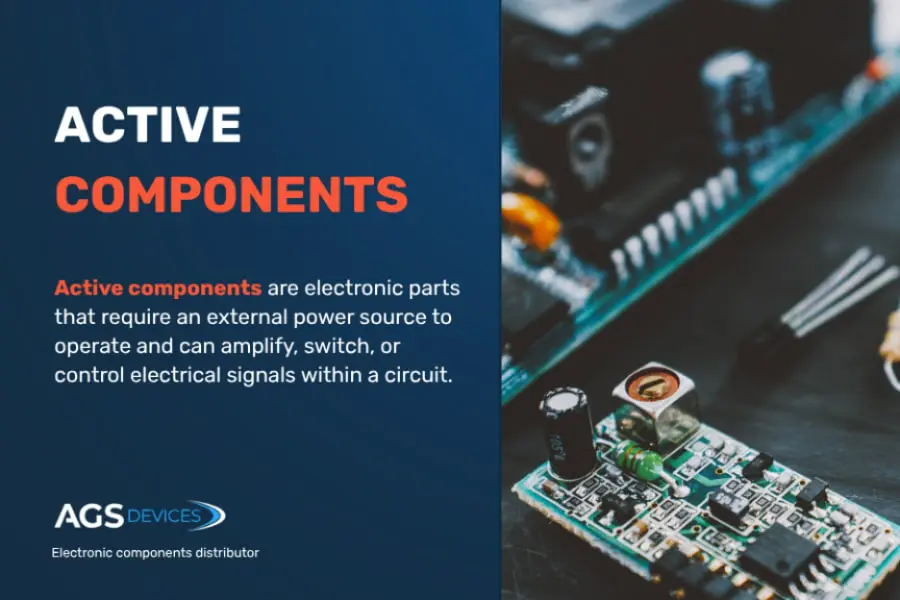
Credit: www.agsdevices.com
Building Basic Circuits
Building basic circuits is the best way to get hands-on experience with electronic components. It helps you understand how parts like resistors, capacitors, and transistors work together. Starting simple lets you see immediate results and learn faster.
Breadboard Basics
A breadboard is your playground for testing circuits without soldering. It has rows and columns of holes that connect internally, making it easy to plug in components and wires.
Try this: place a resistor and an LED on the breadboard, then connect them with jumper wires to a battery. Notice how the LED lights up only when the circuit is complete. This simple setup shows you how current flows and how components interact.
Remember, the breadboard’s power rails run along the sides, usually marked with red (+) and blue (-). These rails supply power to your circuit. Learning to use them properly saves you from common wiring mistakes.
Simple Circuit Projects
Start with circuits that teach a single concept, like a blinking LED or a basic light-sensitive switch. These projects are quick to build and help you understand component roles clearly.
- Light an LED with a resistor: Learn about current limiting and Ohm’s Law.
- Create a simple switch circuit: Understand how switches control the flow of electricity.
- Build a series and parallel circuit: See how components behave differently when connected in various ways.
Ask yourself: What happens if I change a resistor’s value or swap the LED’s position? Testing these changes helps you grasp the practical effects of each component.
Each small success builds your confidence and curiosity. Keep experimenting and note what works and what doesn’t. That’s how you truly learn electronics components.
Online Resources And Courses
Online resources and courses offer a flexible way to learn about electronic components. They provide both theory and practical examples to help understand complex concepts. Many platforms cater to beginners and advanced learners alike. These resources often include videos, quizzes, and projects to practice skills. Learning online allows you to study at your own pace and revisit materials anytime.
Free Online Tutorials
Many websites offer free tutorials on electronic components. These tutorials cover basics like resistors, capacitors, and transistors. They often include clear diagrams and step-by-step instructions. You can find tutorials on platforms such as YouTube and educational blogs. Forums and community sites also share helpful guides and tips. Free resources are a great way to start without any cost.
Recommended Online Courses
Paid courses provide structured learning paths and expert guidance. They usually include detailed lessons on component functions and circuit design. Some popular platforms offer courses with certificates upon completion. These courses often come with hands-on projects and assessments. Investing in a course can speed up your learning and deepen your understanding. Look for courses with good reviews and clear explanations.
Hands-on Practice Tips
Getting your hands dirty is the best way to truly understand electronic components. Theory can only take you so far; practical experience helps you see how parts behave in real life. The right approach to hands-on practice builds your confidence and sharpens your skills.
Experimenting Safely
Safety should be your top priority every time you work with electronics. Always disconnect power before making any changes to your circuit to avoid shocks or damage. Use a multimeter to check voltages and currents before touching components.
Wear safety glasses to protect your eyes from sparks or accidental component failures. Work on a non-conductive surface to prevent unwanted shorts. Organize your workspace so you can quickly spot loose wires or damaged parts.
Have you ever rushed through a setup only to blow a resistor or fry a chip? Taking a moment to double-check connections can save you from frustration and expense. Remember, slow and steady hands often win in electronics.
Troubleshooting Techniques
When a circuit doesn’t work, it’s your detective time. Start by visually inspecting your setup for obvious issues like loose wires or incorrect component placement. Sometimes, a simple misread value or a reversed diode causes the whole circuit to fail.
Use systematic testing to narrow down the problem. Check power supply voltages first, then move to signal paths using your multimeter or oscilloscope. Isolate sections of the circuit to find where the failure begins.
Keep a troubleshooting log. Write down what you tested and what results you got. This habit prevents repeating the same checks and helps you spot patterns over time.
What’s the most challenging fault you’ve fixed? Reflecting on these moments can teach you valuable lessons for future projects. Troubleshooting isn’t just about fixing errors; it’s about understanding your components better.
Joining Electronics Communities
Joining electronics communities is one of the smartest ways to learn about electronic components. These communities offer a space where you can ask questions, share your projects, and get feedback from experienced hobbyists and professionals. Being part of a group helps you stay motivated and discover practical tips that books or videos might miss.
Online Forums And Groups
Online forums and social media groups let you connect with electronics enthusiasts from around the world. Sites like Reddit’s r/electronics, EEVblog, and All About Circuits have active members who answer questions about resistors, capacitors, transistors, and more.
Don’t just lurk—post your doubts or share your small wins. The community’s advice can save you hours of trial and error. Have you ever wondered which component brands are most reliable? Community discussions often reveal those hidden gems.
- Join specialized subgroups for beginners or specific interests like microcontrollers.
- Participate in weekly challenges or project threads to apply your knowledge.
- Use search functions to find answers before asking to avoid repetitive questions.
Local Workshops And Meetups
Nothing beats hands-on learning with peers in your local area. Local workshops and meetups provide a chance to handle components, use tools, and build circuits together. This face-to-face interaction can boost your confidence and skills faster than solo study.
Check community centers, makerspaces, or electronics stores for events. You might meet mentors willing to guide your learning or collaborate on projects. Have you tried explaining a circuit to someone else? Teaching is one of the best ways to deepen your understanding.
- Attend beginner-focused workshops to get comfortable with basic components.
- Bring your own questions or broken gadgets to troubleshoot with others.
- Network with members to get insider tips and local resource recommendations.
Frequently Asked Questions
What Are The Basic Electronic Components To Learn First?
Start with resistors, capacitors, diodes, and transistors. These form the foundation of most electronic circuits. Understanding their function and symbol is crucial for beginners.
How Can I Identify Electronic Components Easily?
Use datasheets, color codes, and component markings. Learning common symbols and using a multimeter helps verify component type and values quickly.
What Resources Help Beginners Learn Electronics Components?
Books, online tutorials, and hands-on kits are great. Websites like YouTube and electronics forums offer practical guidance and community support for learners.
Why Is Understanding Component Specifications Important?
Specifications define how a component performs and its limits. Knowing these ensures safe and efficient circuit design, preventing damage or failure.
Conclusion
Learning electronics components takes time and practice. Start with simple parts and build your knowledge step by step. Use hands-on projects to see how components work together. Read books and watch videos for clear explanations. Ask questions and join online forums to get help.
Stay patient and keep experimenting with circuits. Soon, you will understand how electronics come alive. Keep learning, and enjoy the process.
Leave a Reply