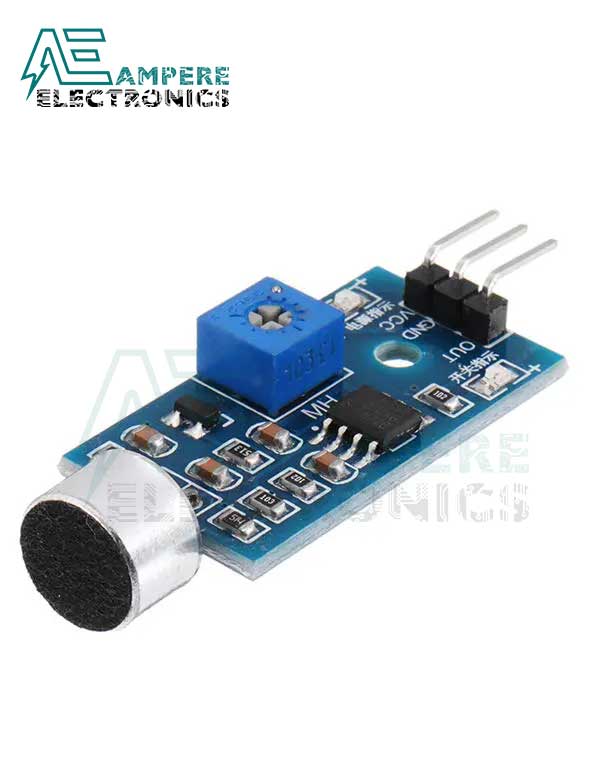
Have you ever wondered what tiny part inside your gadgets actually creates the sounds you hear? Whether it’s the beep of your microwave, the ringtone on your phone, or the alert from your alarm clock, there’s a special electronic component behind it all.
Understanding this small but powerful piece can change how you see everyday devices—and even inspire you to create your own sound projects. Keep reading to discover the electronic component that makes sound come alive!
Credit: probots.co.in
Basics Of Sound In Electronics
Sound in electronics is the result of electrical signals converted into vibrations. These vibrations travel through air and reach our ears as sound waves. Understanding the basics helps in knowing how devices produce sound.
Electronic devices use special components to create these vibrations. The components change electrical energy into mechanical movement. This movement causes air to move, producing sound waves we can hear.
What Is Sound In Electronic Terms?
Sound is a wave of pressure that moves through air or other materials. In electronics, sound starts as an electrical signal. This signal varies in voltage and frequency, representing different sounds.
How Electrical Signals Create Sound
Electrical signals carry information about sound frequency and volume. A component receives this signal and turns it into motion. The motion pushes air molecules, creating sound waves.
Frequency And Amplitude Explained
- Frequency:Number of vibrations per second. It controls pitch.
- Amplitude:Size of vibrations. It controls loudness.
Common Components That Make Sound
Speakers and buzzers are common sound-producing parts. They use electrical signals to create vibrations. The design and size affect the sound quality and volume.
Common Sound-producing Components
Sound-producing electronic components turn electrical signals into audible sounds. These components vary in size, shape, and use. Each type works differently and suits specific applications. Understanding common sound-producing parts helps in choosing the right one for a project.
Speakers And Woofers
Speakers convert electrical signals into sound waves. They use a diaphragm that moves to create sound. Woofers are a type of speaker. They produce low-frequency sounds like bass. Speakers and woofers are found in radios, TVs, and audio systems.
Buzzers And Beepers
Buzzers produce simple sounds or tones. They are small and often used in alarms and timers. Beepers create short, sharp sounds. Both are easy to use and cost-effective. They alert users or signal events in devices.
Piezoelectric Devices
Piezoelectric devices make sound by changing shape when voltage is applied. They are lightweight and compact. These devices create high-pitched sounds. Common in watches, smoke detectors, and small alarms. They use less power than other sound components.
How Sound Is Generated
Sound is created by vibrations that travel through the air. These vibrations move in waves and reach our ears as sound. Electronic components that make sound use this basic idea to produce audio signals we can hear.
Principles Of Sound Waves
Sound waves are vibrations moving through a medium like air or water. They have properties such as frequency, amplitude, and wavelength. Frequency controls the pitch or tone. Amplitude affects loudness. These waves carry energy that our ears detect as sound.
When an object vibrates, it pushes and pulls air particles. This creates compressions and rarefactions. The waves move outward in all directions. Our ears convert these waves into signals the brain understands.
Electrical Signals And Sound Conversion
Electronic sound components convert electrical signals into sound waves. An electrical signal is a flow of electric current that changes over time. These changes represent sound information like pitch and volume.
A common component, the speaker, uses an electrical signal to move a diaphragm. The diaphragm vibrates and pushes air, creating sound waves. The process turns invisible electric signals into audible sound.
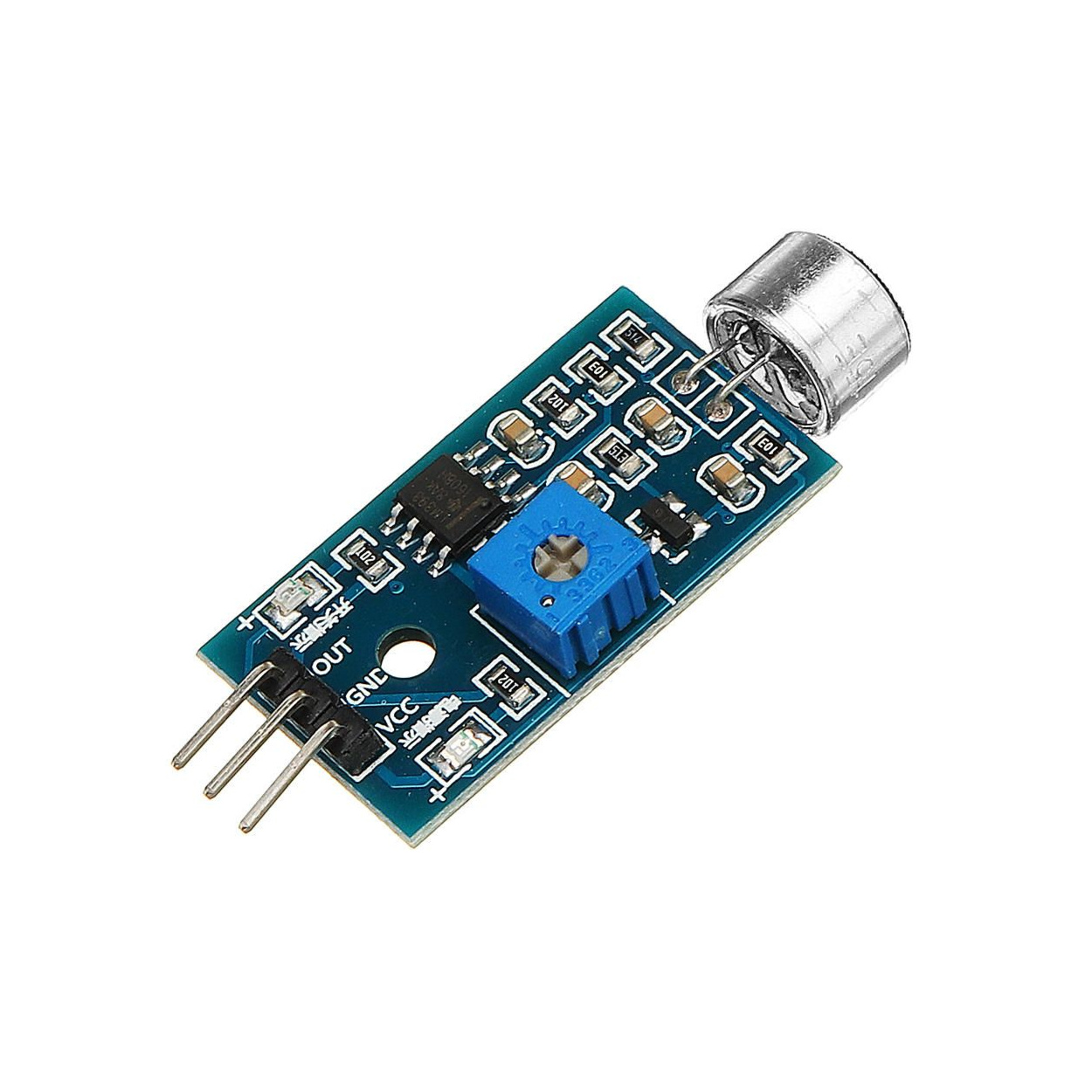
Microphones work in reverse. They catch sound waves and change them into electrical signals. This two-way conversion allows devices to produce and record sound efficiently.
Credit: www.elektormagazine.com
Applications Of Sound Components
Sound components play a vital role in many devices and systems. They convert electrical signals into sound waves that humans can hear. These components are used in different fields, serving various purposes. Their versatility makes them essential in daily life and industry.
Consumer Electronics
Sound components are found in many consumer gadgets. Smartphones use them for calls and notifications. Televisions rely on these parts for clear audio. Headphones and speakers bring music and movies to life. Even gaming consoles use sound components to create immersive experiences.
Industrial Use
Industries use sound components to improve safety and efficiency. Warning alarms alert workers of hazards. Machines use sound signals to show status or errors. Sound sensors help monitor equipment health. These components assist in smooth operation and quick responses to problems.
Medical Devices
Medical tools depend on sound parts for diagnostics and care. Ultrasound machines create images using sound waves. Hearing aids amplify sounds for people with hearing loss. Heart monitors use sound to detect irregular beats. These devices improve patient health and quality of life.
Choosing The Right Sound Component
Choosing the right electronic component that makes sound can dramatically affect your project’s performance and the quality of audio output. The decision isn’t just about picking a speaker or buzzer at random; it involves understanding your specific needs and how each component fits into your design. Let’s break down what you should consider to make an informed choice.
Considerations For Selection
First, think about the purpose of your sound component. Are you aiming for clear voice output, simple beeps, or rich music playback? Each use demands different specifications.
- Sound quality:Look for components with a suitable frequency range and minimal distortion.
- Power consumption:If your device runs on batteries, choose components that consume less power.
- Size and form factor:Make sure the component fits your device’s physical space.
- Volume level:Assess how loud the sound needs to be, especially in noisy environments.
Once, I picked a tiny piezo buzzer for a wearable device, only to realize it was too quiet in a crowded room. That taught me to always test volume levels in real-world conditions.
Compatibility With Devices
Your sound component must seamlessly integrate with your electronics. Check the operating voltage and current requirements to avoid damaging your circuit.
- Ensure the impedance matches your amplifier or output device to prevent sound distortion.
- Check the connector type and pin configuration for easy installation.
- Consider digital vs. analog interfaces depending on your microcontroller or processor capabilities.
Have you ever tried fitting a speaker only to find its wiring didn’t match your board? Avoid that hassle by reviewing datasheets carefully before purchasing.
Choosing the right sound component means balancing sound quality, power needs, size, and compatibility. Ask yourself: what’s most important for your project’s success?
Credit: www.blackstone-ney.com
Future Trends In Sound Components
Sound components are evolving fast. New designs improve quality and efficiency. The future holds exciting changes for these electronic parts. These changes will affect how we use and hear sound in everyday devices.
Advancements In Technology
Sound components are getting smaller and more powerful. New materials help create clearer and louder sounds. Engineers use advanced chips that reduce noise and distortion. These improvements make devices sound better without using more energy.
Manufacturers focus on durability too. Components can now resist heat and moisture better. This helps devices last longer in different environments. Innovation continues with flexible and wearable sound parts. These allow new uses in health and fitness gadgets.
Integration With Smart Devices
Smart devices now include sound components that respond to voice commands. These parts connect easily with apps and other electronics. This integration allows better control of sound settings and features.
Sound components also work with artificial intelligence. They adapt sound output based on the environment or user preferences. This makes listening more comfortable and personalized. Smart homes and cars benefit from these intelligent sound parts.
Frequently Asked Questions
What Is The Main Electronic Component That Produces Sound?
The main electronic component that produces sound is the speaker. It converts electrical signals into audible sound waves. Speakers are commonly used in audio devices, radios, and computers to deliver sound to listeners clearly and effectively.
How Does A Piezoelectric Buzzer Create Sound?
A piezoelectric buzzer creates sound by vibrating a piezoelectric material. When electrical voltage is applied, the material changes shape quickly, generating sound waves. These buzzers are small, energy-efficient, and widely used in alarms and electronic devices.
Can Transducers Be Used As Sound-producing Components?
Yes, transducers convert electrical energy into sound. Speakers and buzzers are types of transducers specifically designed for sound production. They transform electrical signals into mechanical vibrations that produce audible sound waves.
What Role Do Speakers Play In Electronic Sound Systems?
Speakers play a crucial role by converting electrical audio signals into sound. They enable users to hear music, speech, or alerts. High-quality speakers improve sound clarity and enhance the overall audio experience in electronic systems.
Conclusion
The electronic component that makes sound is called a speaker. It changes electrical signals into sound waves we can hear. Speakers come in many sizes and shapes for different devices. They work by moving a small cone back and forth quickly.
This movement creates vibrations in the air, which our ears detect as sound. Understanding this simple part helps us see how many devices produce sound. Next time you hear music or alerts, remember the speaker is doing the work. Sound becomes real because of this small, smart part.
Leave a Reply