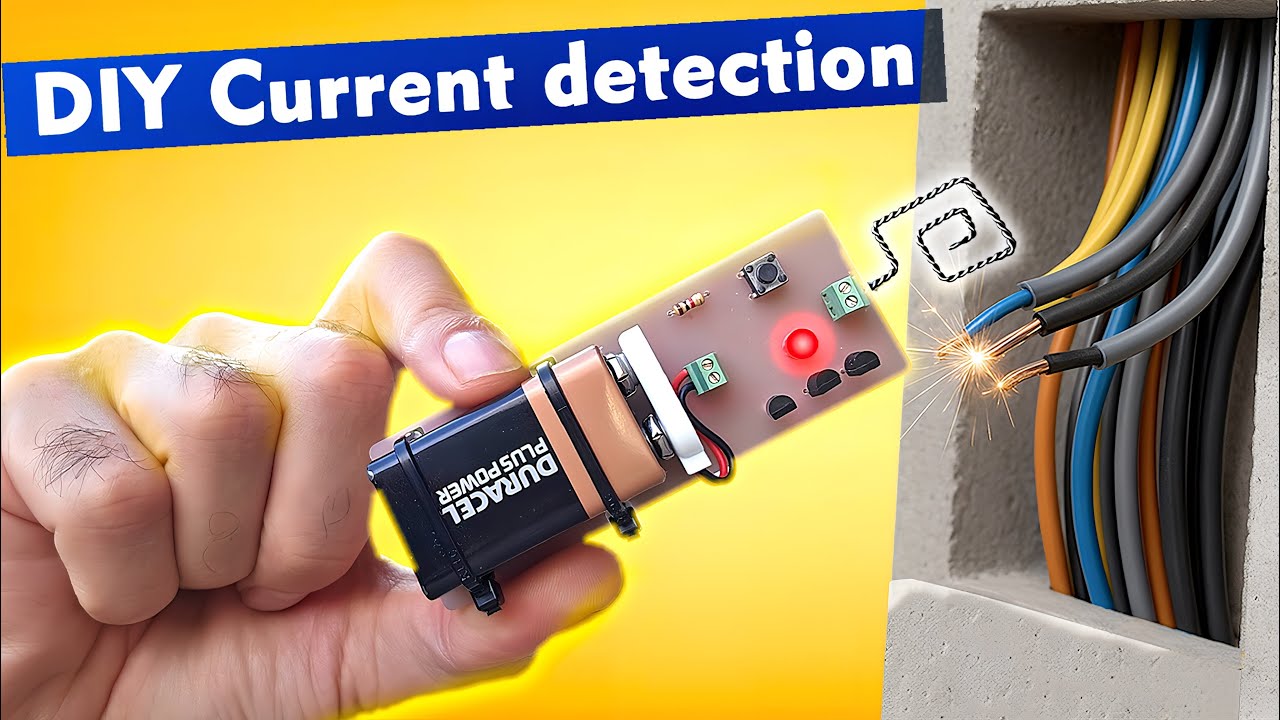
Have you ever looked at a sleek electronic gadget and thought, “I wish I could make that myself”? Well, you’re in the right place!
Creating small electronic gadgets at home isn’t just a fun hobby; it’s a fantastic way to boost your creativity and learn new skills. Imagine the thrill of holding something in your hand that you built from scratch—it’s not just rewarding; it’s empowering.
And here’s the best part: you don’t need a degree in engineering or expensive tools to get started. By the end of this article, you’ll discover how you can transform simple components into impressive gadgets, all from the comfort of your home. Ready to dive into the exciting world of DIY electronics? Keep reading, and let’s get your creative juices flowing!
Essential Tools And Materials
Building small electronic gadgets at home requires more than just curiosity—you need the right tools and materials to bring your ideas to life. Having these essentials on hand makes the process smoother and helps you avoid frustration. Let’s look at the core items you should gather before starting your project.
Basic Electronics Components
Start with a collection of fundamental components like resistors, capacitors, and LEDs. These tiny parts form the backbone of most electronic circuits. Don’t forget transistors and diodes—they control the flow of current and can make your gadgets smarter.
Including a variety of sensors, such as temperature or light sensors, can add interesting features to your projects. Grab a breadboard and jumper wires too—they let you test circuits without soldering. Have you ever tried building a gadget only to find you were missing a crucial resistor? It’s frustrating, so stock up on a small assortment to avoid halting your progress.
Soldering Equipment
Soldering is key to making your gadgets durable and reliable. A good soldering iron with adjustable temperature control is a must. It helps you join components neatly without damaging sensitive parts.
Alongside the iron, get solder wire—preferably lead-free for safety—and a soldering stand to keep your workspace organized. A desoldering pump or wick will save you from mistakes by letting you remove excess solder easily. Have you noticed how a clean solder joint can make a difference in your gadget’s performance? It’s worth taking the time to master this skill.
Safety Gear
Working with electronics involves heat and tiny components, so safety can’t be overlooked. Always wear safety goggles to protect your eyes from solder splashes or flying wire bits. A well-ventilated area or a fume extractor helps keep harmful smoke away.
Heat-resistant gloves can protect your hands during soldering, especially if you’re new to the process. Remember, accidents happen when you’re least expecting them. Are you ready to prioritize safety while exploring your creativity?

Credit: www.instructables.com
Choosing Simple Projects
Choosing simple projects is key when you’re starting to make small electronic gadgets at home. Simple projects help you build confidence and understand basic components without feeling overwhelmed. You get to see quick results, which keeps motivation high and sparks curiosity to try more complex builds later.
Focus on projects that use easy-to-find parts and don’t require advanced tools. This way, you can start right away and avoid frustration. Also, simple projects often teach you essential skills like soldering, wiring, and reading circuit diagrams, which are crucial for more advanced electronics.
Led Flashlight
An LED flashlight is a perfect beginner project. It uses basic components like LEDs, resistors, and batteries—items you can find in most electronics kits. You’ll learn how to connect circuits and understand power flow while making something practical.
Think about customizing your flashlight with different colored LEDs or adding a simple switch. This small tweak lets you experiment with design and functionality. Have you ever considered how such a small gadget can teach you the fundamentals of electronics?
Mini Fm Radio
Building a mini FM radio introduces you to radio waves and signal processing. It involves components like transistors, capacitors, and coils, which might seem tricky but are manageable in a simple circuit. You get hands-on experience tuning and adjusting circuits to catch radio signals.
This project challenges your patience and sharpens problem-solving skills as you tweak the antenna or circuit layout. Have you noticed how tuning a radio is similar to troubleshooting a circuit? It’s a practical way to understand wave frequencies and electronics working together.
Temperature Sensor
A temperature sensor project teaches you about sensors and data reading. Using a simple thermistor or temperature IC, you can build a device that measures and displays temperature. This project helps you grasp how sensors convert physical data into electrical signals.
Adding a small display or connecting it to an Arduino board can make the project interactive. You’ll see firsthand how electronics can monitor and respond to the environment around you. What would you do if you could monitor temperature changes in your room or garden with your own gadget?
Step-by-step Assembly
Building small electronic gadgets at home can be exciting and rewarding. The assembly process is where your project truly comes to life. Paying attention to each step will help you avoid common mistakes and ensure your gadget works perfectly.
Circuit Diagram Reading
Understanding the circuit diagram is your first challenge. It shows how every component connects and interacts in your gadget. Take your time to identify symbols like resistors, capacitors, and transistors—they are the building blocks of your device.
Try tracing the flow of electricity on the diagram. Ask yourself: where does the power enter, and how does it travel through the components? This mental walkthrough will make actual assembly clearer and faster.
Component Placement
Organizing components on your circuit board is like fitting puzzle pieces together. Place larger components like batteries and switches first—they set the layout. Then, add smaller parts such as resistors and LEDs around them.
Keep components spaced to avoid short circuits and make soldering easier. I learned the hard way that cramming parts too tightly leads to frustration and repair work. Would you rather spend time planning or fixing mistakes?
Soldering Tips
Soldering can be tricky if you’re new, but a few tips can make it smoother. Use a clean, well-heated soldering iron and apply solder quickly to avoid overheating components. Too much solder creates blobs that can short your circuit.
Hold the iron tip to both the component lead and the board pad before adding solder. This ensures a solid connection. Practice on spare wires if you’re unsure—steady hands develop with experience, not luck.

Credit: www.instructables.com
Testing And Troubleshooting
Testing and troubleshooting are key parts of making small electronic gadgets at home. These steps help ensure your device works correctly and lasts longer. Careful checks catch problems early, saving time and materials. Troubleshooting also improves your skills and understanding of electronics.
Using A Multimeter
A multimeter is a vital tool for testing gadgets. It measures voltage, current, and resistance. Use it to check if power flows through the circuit. Test batteries, wires, and components quickly. Set the multimeter to the correct mode before measuring. Touch the probes to the circuit points gently. Read the display for your measurements. A steady reading shows good connection; a zero or infinite reading signals a problem.
Common Issues
Small gadgets often face these common problems:
- No power or device won’t turn on
- Buttons or switches not working
- Loose wires or broken solder joints
- Burnt or damaged components
- Incorrect voltage or current levels
Recognizing these issues helps you find the cause faster.
Fixing Connections
Loose or bad connections cause many failures. Check all wires and solder joints carefully. Re-solder any cold or cracked joints. Use a soldering iron with the right temperature. Avoid adding too much solder to prevent shorts. Secure wires with electrical tape or heat shrink tubing. Make sure components sit firmly on the board. Test the circuit again after fixing connections to confirm the repair.
Customizing Your Gadgets
Customizing your small electronic gadgets makes them truly yours. It lets you improve their look, feel, and function. Small changes can make a big difference in how you use your device. Customization also helps protect your gadget and fit your style. Below are ways to personalize your creation easily at home.
Adding Enclosures
Enclosures protect delicate parts from dust and damage. You can use plastic, wood, or metal cases. Choose materials that are easy to work with and fit your gadget size. Simple enclosures can be made with 3D printing or repurposed containers. Make sure to leave holes for buttons, screens, and ports. A well-made enclosure gives your gadget a neat finish and longer life.
Enhancing Features
Adding new features can improve your gadget’s usefulness. Add extra buttons or switches to control more functions. Use small LEDs for better notifications or signals. Include a better battery for longer use. Consider sensors like temperature or motion detectors. Enhancements should keep the gadget simple to use but more powerful.
Personalizing Design
Give your gadget a personal touch with colors and patterns. Paint the case with your favorite shades or use stickers and decals. Carve or engrave designs on wooden or plastic enclosures. Add texture with rubber grips or fabric covers. Personal designs make your gadget easy to spot and fun to use every day.
Credit: www.instructables.com
Expanding Your Skills
Expanding your skills is a key part of creating small electronic gadgets at home. As you grow more confident, you’ll want to challenge yourself with new components and techniques. This keeps the process exciting and helps you build gadgets that do more.
Learning Microcontrollers
Microcontrollers are tiny computers that control your gadgets. Learning how to program them opens up endless possibilities. Start with popular options like Arduino or Raspberry Pi—they have lots of tutorials and examples online.
Try simple projects first, like blinking an LED or reading a button press. These small wins build your confidence quickly. You’ll soon understand how to connect sensors and motors to create interactive devices.
Exploring Sensors
Sensors let your gadgets detect the world around them. You can add temperature, light, motion, or sound sensors to make your projects smarter. Think about what you want your gadget to respond to and pick sensors that fit that need.
Testing sensors often involves trial and error. Don’t be afraid to experiment with different setups. Watching a sensor react in real-time can be surprisingly motivating and helps you learn faster.
Joining Diy Communities
Connecting with others who build electronics can speed up your learning. Online forums, social media groups, and local meetups are great places to ask questions and share your progress. You’ll find people who’ve solved problems you haven’t even thought of yet.
Community feedback often points out simple fixes or creative ideas you might miss working alone. Have you ever tried sharing a project and realized a tiny tip made all the difference? That’s the power of a supportive DIY community.
Frequently Asked Questions
What Basic Tools Are Needed To Make Gadgets At Home?
You need a soldering iron, multimeter, wire cutters, screwdriver set, and a breadboard. These tools help assemble and test electronic circuits efficiently.
Which Components Are Essential For Small Electronic Gadgets?
Resistors, capacitors, transistors, LEDs, microcontrollers, and batteries are essential. These parts form the core of most simple electronic devices.
How Can Beginners Start Building Electronic Gadgets Safely?
Start with simple kits and follow tutorials carefully. Always work in a well-ventilated area and wear protective gear to avoid accidents.
Where To Find Electronic Components For Home Projects?
Components can be bought from online stores, local electronics shops, or salvage from old devices. Choose reliable sources for quality parts.
Conclusion
Making small electronic gadgets at home can be fun and rewarding. Start with simple projects to build your skills. Use basic tools and parts that you can find easily. Practice helps you understand how gadgets work. Stay patient and try new ideas often.
Creating gadgets yourself saves money and teaches valuable skills. Keep experimenting and enjoy the learning process. Your confidence will grow with each project completed. Making electronics at home opens doors to many possibilities. Keep building, and have fun along the way!
Leave a Reply