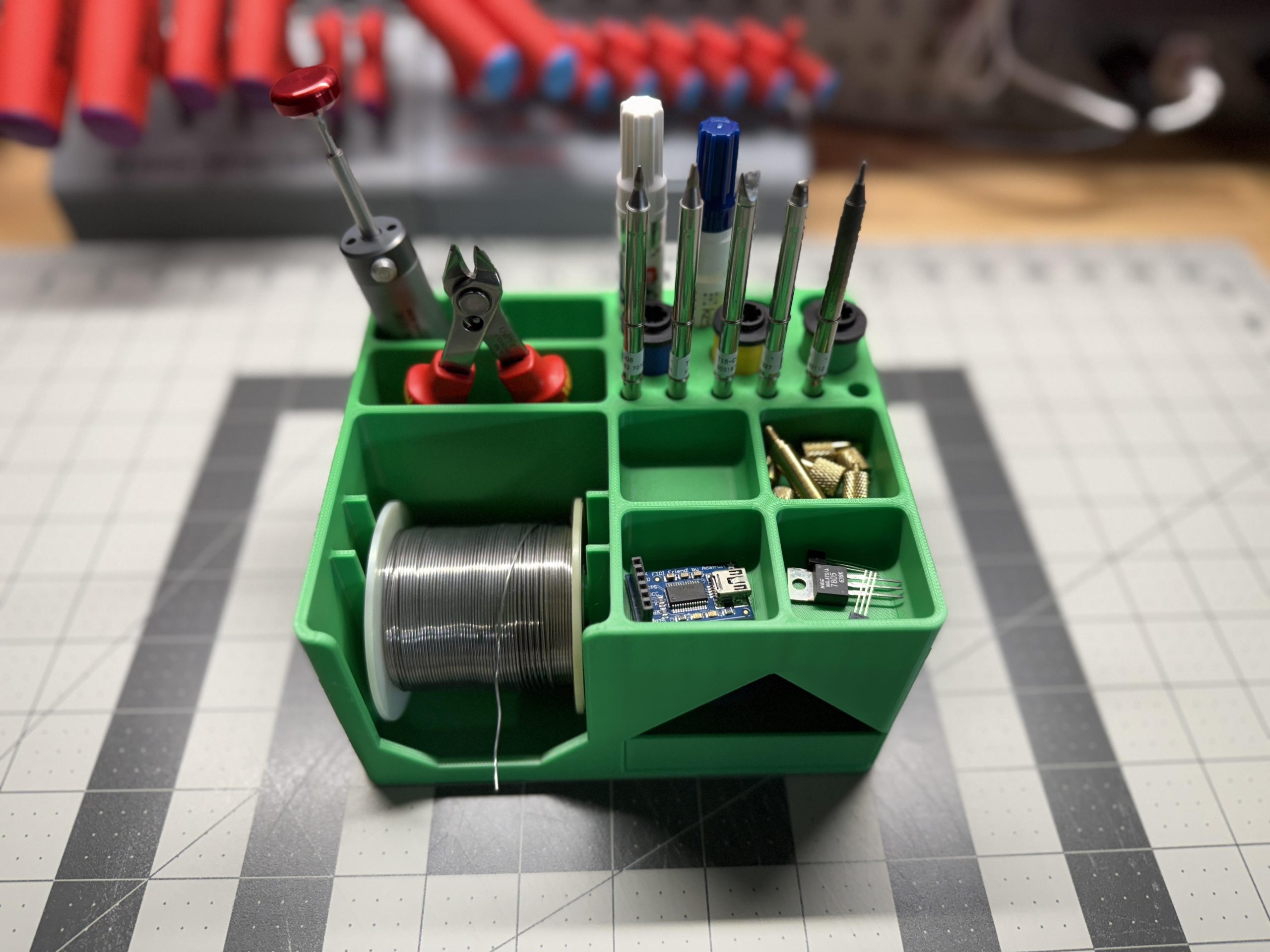
Are you tired of hunting through piles of wires, tiny parts, and scattered tools every time you want to work on your electronics projects? Organizing your hobby electronics can feel overwhelming, but it doesn’t have to be.
Imagine having everything in its place, easy to find, and ready to use whenever inspiration strikes. You’ll discover simple, effective ways to organize your electronics gear so you can focus more on building and less on searching. Keep reading, and transform your workspace into a neat, efficient haven that sparks creativity every time you sit down to tinker.
Choosing The Right Workspace
Choosing the right workspace is key to organizing hobby electronics effectively. A well-planned area helps keep tools and parts neat. It also boosts focus and creativity. A good workspace supports comfort, safety, and easy access to materials. Setting up the right spot makes your projects more enjoyable and productive.
Selecting A Dedicated Area
Pick a space only for your electronics projects. Avoid places with heavy foot traffic or distractions. The area should be quiet and free from interruptions. Ensure the surface is flat and sturdy for building circuits. A dedicated workspace keeps parts and tools in one place. It reduces the chance of losing small components.
Optimizing Lighting And Ventilation
Good lighting is critical for detailed work. Use bright, white light to see colors and small parts clearly. Position lights to avoid shadows on your workspace. Natural light is best but add desk lamps if needed. Proper ventilation removes fumes from soldering or chemicals. Keep windows open or use a fan to circulate air. A fresh environment improves focus and safety.

Credit: www.reddit.com
Sorting Components Efficiently
Sorting components efficiently makes your hobby electronics projects smoother. It saves time and reduces frustration. A well-organized workspace helps you find parts quickly. This boosts your productivity and enjoyment. Clear sorting also protects delicate components from damage. Start by grouping parts logically. Use simple methods that fit your space and needs.
Categorizing By Type And Size
Sort components by their type first. Resistors, capacitors, and transistors each get their own place. Group similar items together to avoid confusion. Next, organize by size within each type. Small and large components should not mix. Use small containers or drawer dividers for size sorting. This system helps you spot the right part at a glance.
- Separate resistors by resistance value and size
- Group capacitors by type and capacitance
- Sort ICs by function and pin count
- Keep wires and connectors by gauge and length
Labeling Techniques For Easy Access
Clear labels speed up finding components. Use easy-to-read fonts and colors. Label each container or drawer with the component name and details. Include values like resistance or capacitance for quick reference. Use printed labels or write neatly with permanent markers. Label both the container and the lid for visibility. Consider color-coding labels to match component types. This simple step reduces guesswork and errors.
Storage Solutions For Electronics
Keeping your hobby electronics organized can transform your workspace and boost your productivity. The right storage solutions help you find parts quickly, protect delicate components, and prevent clutter from taking over. Let’s look at some practical ways to store your electronics efficiently.
Using Containers And Drawers
Clear containers and multi-drawer organizers work wonders for sorting small components like resistors, capacitors, and screws. You can label each drawer or container, making it easier to locate exactly what you need without digging through piles.
Stackable plastic boxes save space and keep parts dust-free. I once sorted my tiny LEDs into color-coded containers, which saved me hours when building a new project. What small parts do you struggle to keep track of?
- Choose transparent containers for quick visual access.
- Use foam inserts in drawers to protect fragile components.
- Label everything clearly with printed or handwritten tags.
Implementing Shelving And Racks
Shelving units and racks provide vertical storage that frees up your workbench. They are perfect for holding larger items like power supplies, soldering stations, and kits in progress.
Adjustable shelves let you customize height for bulky tools or boxes. I set up a metal rack near my desk that holds my multimeter, oscilloscope, and toolkits within arm’s reach. How could you better use your wall space for storage?
- Install sturdy shelves to support heavy equipment safely.
- Add hooks or pegboards on the sides for hanging cables and tools.
- Keep frequently used items at eye level for convenience.
Managing Tools And Equipment
Managing your tools and equipment is key to a smooth hobby electronics experience. Keeping everything in order saves time and reduces frustration. It also protects your tools from damage and loss. Proper care and storage make your workspace safer and more efficient.
Essential Tools To Keep Handy
Some tools are must-haves for any electronics hobbyist. Keep these close at hand for quick access:
- Soldering iron and solder
- Wire cutters and strippers
- Multimeter for testing circuits
- Precision screwdrivers
- Tweezers and pliers
- Heat shrink tubing
- Small brushes for cleaning
These tools cover most basic repairs and projects. Organize them so you can find what you need fast.
Tool Organization Ideas
Effective tool storage keeps your workspace neat and tools ready. Try these simple ideas:
- Use pegboards to hang frequently used tools.
- Magnetic strips hold metal tools securely.
- Clear plastic bins separate small parts and accessories.
- Drawer organizers prevent tools from mixing.
- Label boxes and drawers for easy searching.
- Small containers or jars work well for screws and resistors.
Arrange your tools by type and size. This helps maintain order and speeds up work.
Maintaining A Clutter-free Routine
Maintaining a clutter-free routine is key to enjoying your hobby electronics without feeling overwhelmed. A well-organized space helps you focus better and speeds up your projects. The trick is to build habits that keep mess from piling up, rather than waiting for a big cleanup.
Regular Clean-up Habits
Set aside a few minutes at the end of each session to tidy your workspace. Put tools back in their spots and clear off scraps like wire pieces or bits of solder. This habit stops clutter from growing and makes your next project easier to start.
Try to keep cleaning quick and consistent rather than long and infrequent. I once ignored this and ended up with a desk so messy it took hours to find a simple resistor. That taught me that small daily efforts save time and frustration.
- Wipe down surfaces to remove dust and residue
- Sort components into labeled bins immediately
- Dispose of damaged or unusable parts regularly
Tracking Projects And Materials
Knowing what materials you have and where your projects stand is crucial. Use a simple notebook or digital app to list components, tools, and project statuses. This helps prevent buying duplicates or losing track of your progress.
When you start a new project, jot down what parts you use and what you still need. This makes it easier to pick up where you left off, even after a break. I found that tracking also boosts motivation because you can clearly see your accomplishments.
| Project | Components Used | Status | Next Steps |
|---|---|---|---|
| Arduino Weather Station | Temperature sensor, LCD, resistors | In Progress | Test sensors, program display |
| LED Cube | LEDs, microcontroller, wires | Completed | None |
What small changes can you make today to keep your electronics hobby space organized and inspiring?
Utilizing Digital Tools
Utilizing digital tools can transform how you manage your hobby electronics. These tools help you keep track of parts, plan projects, and avoid the chaos of scattered notes and components. Imagine knowing exactly what you have and where your project details are stored—all at your fingertips.
Inventory Apps And Software
Keeping an accurate inventory of your electronic components saves time and frustration. Inventory apps let you add parts with photos, quantities, and locations, so you never lose track of a resistor or capacitor again. Some popular apps even allow barcode scanning, making the process quick and reliable.
Try using apps like Sortly or PartKeepr, which are designed specifically for hobbyists and professionals alike. These tools let you categorize items by type, project, or shelf, so you can filter and find parts instantly. Have you ever spent hours searching for a specific component? Inventory software can eliminate that wasted time.
Documenting Projects Digitally
Writing down project details digitally ensures everything is organized and easy to update. Use note-taking apps or project management tools to keep schematics, instructions, and photos all in one place. This way, you can revisit old projects or share them with friends without digging through piles of paper.
Apps like OneNote or Notion allow you to create pages with embedded images, links, and even videos. You can add checklists, deadlines, and parts lists to stay on top of your work. Have you considered how much easier it is to track progress and troubleshoot when everything is documented clearly and accessibly?
Safety Tips For Hobby Electronics
Working with hobby electronics can be incredibly rewarding, but it also demands a strong focus on safety. Neglecting safety precautions can lead to damaged components, unexpected shocks, or even fires. Protecting yourself and your gear ensures that your projects remain fun and frustration-free.
Proper Handling Of Components
Handling electronic parts carefully extends their life and keeps your projects on track. Always discharge static electricity by touching a grounded metal object before touching sensitive components like microchips or sensors.
Keep components in anti-static bags or containers to avoid damage. Avoid applying excessive force when inserting parts into breadboards or PCBs—gentle pressure usually does the trick.
Have you ever noticed that some resistors or capacitors feel warm after use? That’s a sign to check if you’re operating them within their limits to prevent overheating or failure.
Electrical Safety Precautions
Electricity can be dangerous, even at low voltages common in hobby electronics. Never work on live circuits; always unplug the power source before making adjustments.
Use insulated tools and wear safety glasses to protect yourself from accidental sparks or component bursts. A good habit is to keep your workspace clean and dry to prevent short circuits.
Have you tested your power supply for proper voltage and current limits? Using a multimeter can prevent damage to your components and avoid potential hazards.

Credit: www.youtube.com

Credit: www.amazon.ca
Frequently Asked Questions
How Do I Start Organizing Hobby Electronics?
Begin by sorting components into categories such as resistors, capacitors, and microcontrollers. Use labeled containers or drawers to keep them organized. Create a workspace with ample lighting and storage. Regularly update your inventory list to avoid duplicates and manage supplies efficiently.
What Tools Are Essential For Hobby Electronics?
Essential tools include a soldering iron, multimeter, wire cutters, and a breadboard. A digital storage oscilloscope can be helpful for advanced projects. Keep a toolkit with screwdrivers, pliers, and tweezers. Investing in quality tools ensures better results and safety while working on electronics projects.
How Can I Efficiently Store Electronic Components?
Use labeled drawers, containers, or tackle boxes to store components by type. Small parts organizers with adjustable compartments are useful. Keep an inventory list for easy tracking. Use anti-static bags for sensitive components to prevent damage. Regularly reassess and update storage systems for efficiency.
Why Is Labeling Important In Organizing Electronics?
Labeling helps quickly identify components, saving time during projects. It reduces errors and prevents mix-ups. Labels make restocking and inventory management easier. Clear labeling aids in maintaining an organized workspace. Use a label maker or write neatly on containers for clarity.
Conclusion
Organizing your hobby electronics saves time and reduces frustration. Clear labels and separate storage keep parts easy to find. Regularly tidy your workspace to avoid clutter buildup. Sorting by type or project helps you stay focused. Small bins or drawers work well for tiny components.
A clean, neat setup makes building projects more fun. Start with simple steps and improve your system over time. Enjoy your hobby without the mess and stress.
Leave a Reply