Have you ever wondered what makes those blinking lights and buzzing sounds come alive in gadgets? That’s the magic of an electronic hobby.
It’s not just about circuits and wires—it’s about creativity, problem-solving, and turning ideas into real, working devices. Whether you want to build a simple flashlight or create your own robot, understanding what electronic hobby means can open up a world of exciting possibilities.
Keep reading, and you’ll discover how this hands-on activity can spark your curiosity and boost your skills like never before.

Credit: medium.com
What Electronic Hobby Means
Electronic hobby means working with small electronic devices and circuits for fun. It involves building, repairing, or experimenting with electronics. Many people enjoy this hobby to learn new skills and create useful gadgets.
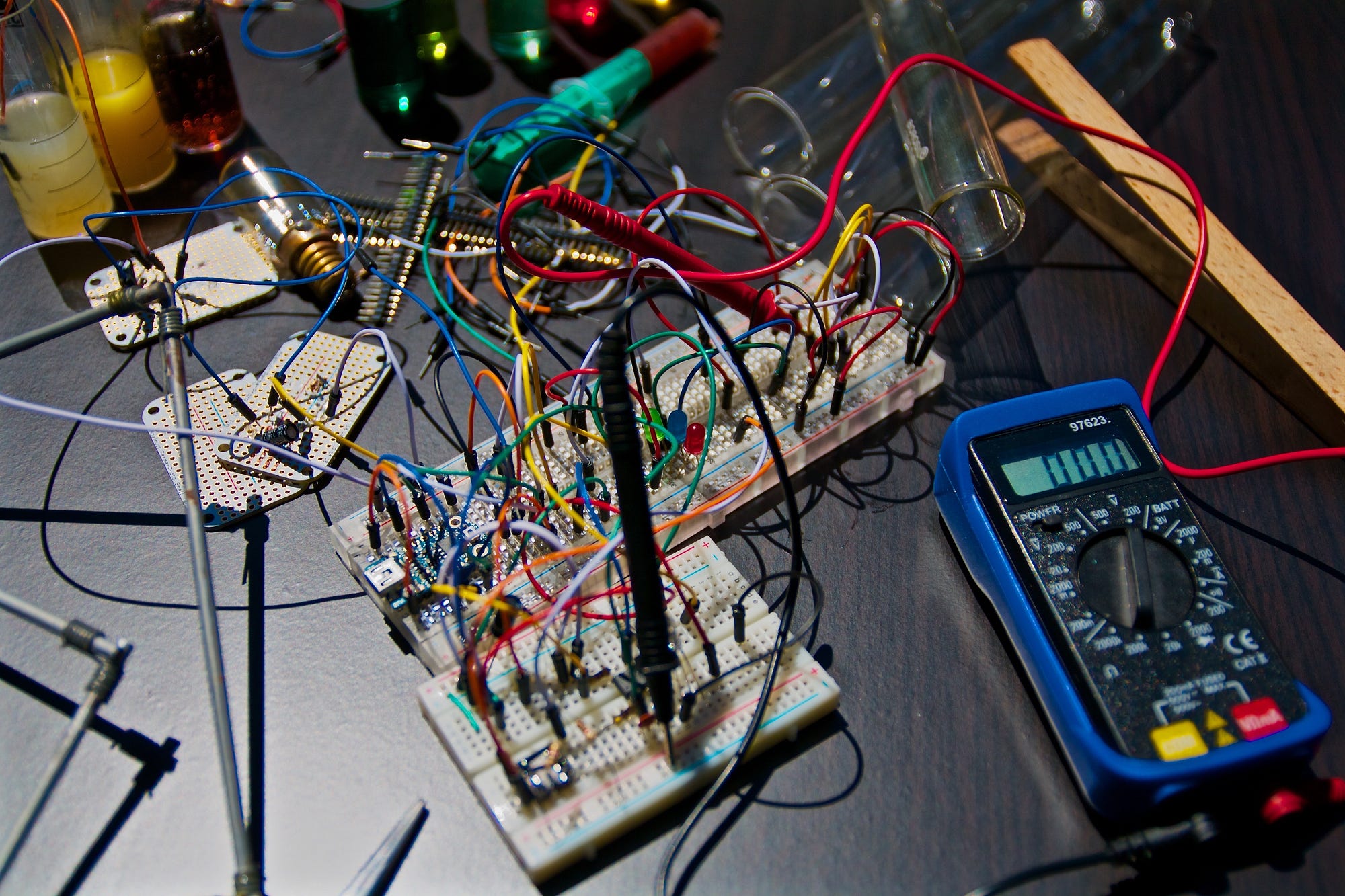
This hobby combines creativity and technical knowledge. It helps develop problem-solving skills and patience. Electronics hobbyists often use tools like soldering irons, multimeters, and breadboards.
Understanding Electronics Components
Electronic components are the building blocks of circuits. These include resistors, capacitors, transistors, and diodes. Each part has a specific role in the circuit’s function.
Learning how these components work together is key to this hobby. It allows hobbyists to design and troubleshoot circuits effectively.
Common Activities In Electronic Hobby
- Building simple circuits on breadboards
- Creating DIY gadgets like alarms or lights
- Repairing broken electronic devices
- Programming microcontrollers for automation
Benefits Of Electronic Hobby
- Improves logical thinking and creativity
- Provides hands-on experience with technology
- Encourages learning in science and engineering
- Offers a rewarding and fun pastime
Credit: medium.com
Popular Electronic Projects
Popular electronic projects cover a wide range of interests and skill levels. Whether you’re just starting out or looking to challenge yourself, there’s a project that fits your needs. These projects help you understand electronics better and keep you motivated as you see your ideas come to life.
Simple Circuits For Beginners
Starting with simple circuits is a great way to build confidence. Basic projects like LED blinkers, light sensors, or simple alarms teach you how components work together. You’ll quickly learn how to use breadboards, resistors, and capacitors without feeling overwhelmed.
Trying these projects first helps you avoid frustration later. When I built my first LED flasher, I realized how small changes in wiring could affect the entire circuit. Have you ever noticed how something so small can make a big difference in your project’s success?
Arduino And Microcontrollers
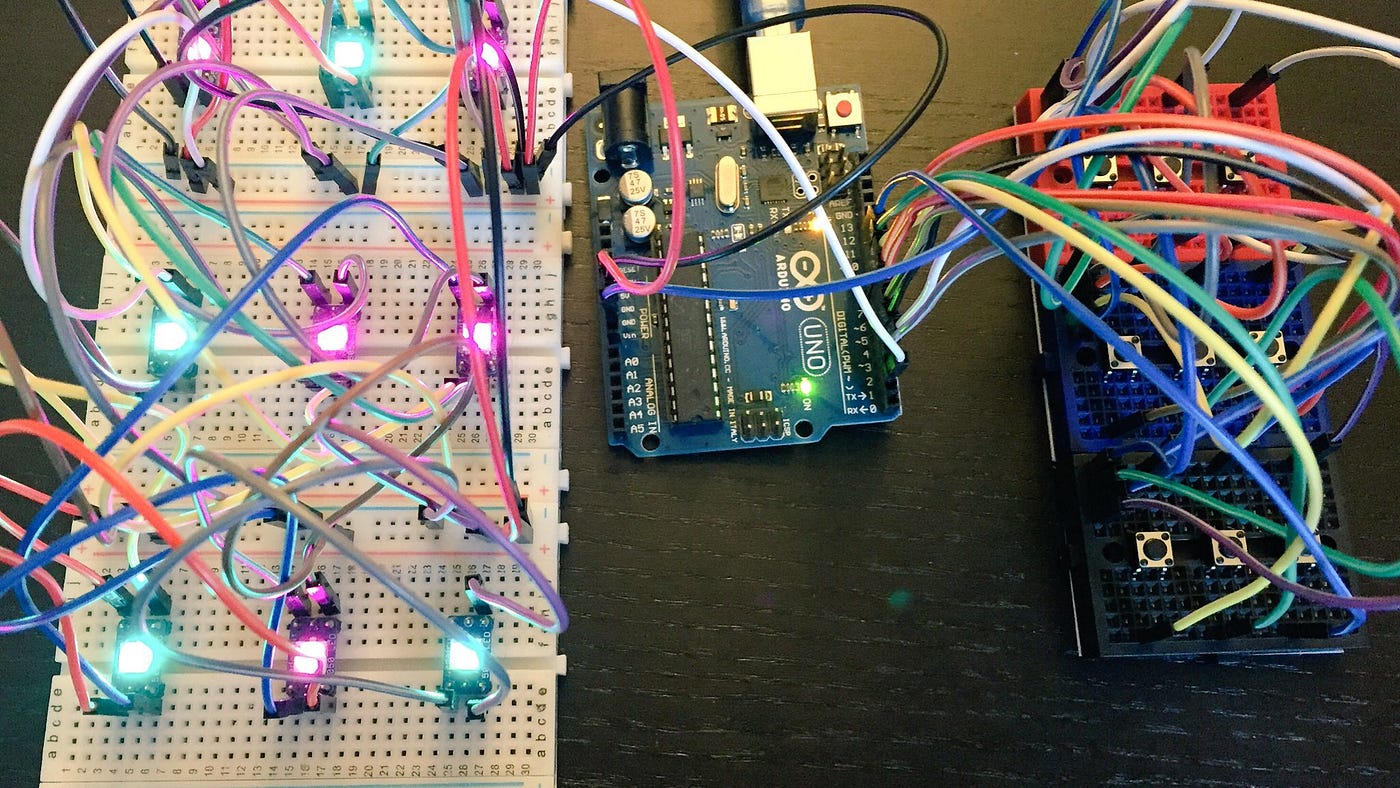
Arduino boards and other microcontrollers open up a world of possibilities. They allow you to write code that controls sensors, motors, and displays. Projects like automated plant watering systems or simple robots make electronics interactive and fun.
Working with Arduino taught me how software and hardware work hand in hand. It’s exciting to see your code turn into real-world actions. What kind of project would you create if you could program electronics to do almost anything?
Diy Audio And Radio Kits
Building your own audio devices or radio kits is both satisfying and educational. You can assemble guitar amplifiers, FM radios, or even small synthesizers. These projects improve your understanding of signal flow and sound processing.
One time, assembling a DIY radio helped me grasp how radio waves travel and get converted into sound. It made me appreciate the complexity behind everyday devices. What sounds would you like to create or capture if you built your own audio project?
Tools And Components Needed
Starting an electronic hobby means gathering the right tools and components. Without these, your projects might become frustrating or impossible to complete. The good news is that most tools and parts are affordable and easy to find once you know where to look.
Essential Tools
You’ll need a few basic tools to begin building circuits and devices. A good soldering iron is crucial for connecting components securely. Besides that, wire cutters and strippers help you prepare wires cleanly and safely.
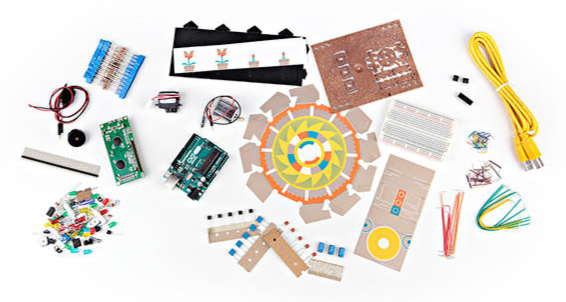
Other handy tools include a multimeter to measure voltage and current, a breadboard for testing circuits without soldering, and tweezers for handling small parts. Having a small screwdriver set and a pair of needle-nose pliers will also make your work smoother.
Common Electronic Components
Some components appear in almost every project. Resistors, capacitors, and LEDs are staples you’ll use frequently. These parts control electric current, store energy, or emit light, making them essential for basic circuits.
Don’t forget transistors and integrated circuits, which act as switches or amplifiers. Sensors, like temperature or light sensors, add interactivity to your projects. Having a variety of jumper wires and batteries is also useful to connect and power your circuits.
Where To Source Materials
You might wonder where to buy these tools and components without breaking the bank. Online stores like Amazon, eBay, and specialized electronics shops offer wide selections and quick delivery. Local electronics stores can also be great for immediate needs and hands-on advice.
Another option is salvaging parts from old gadgets. I once found useful resistors and switches inside discarded radios, which saved money and added a fun challenge. Don’t underestimate thrift stores or recycling centers—they can be treasure troves for parts.
Skills Developed Through Electronics
Electronics as a hobby helps you learn many useful skills. It builds a strong foundation in technology and creativity. These skills are helpful for many careers and everyday life. The process of working with electronics also improves your thinking and problem-solving abilities.
Basic Electrical Concepts
Electronics teaches the basics of electricity and circuits. You learn about voltage, current, and resistance. Understanding how components like resistors and capacitors work is key. This knowledge helps you create and fix electronic devices. It also makes other technology topics easier to understand.
Problem Solving And Creativity
Working with electronics requires finding solutions to challenges. You must test ideas and fix errors. This practice sharpens your problem-solving skills over time. Creativity grows as you design new projects and improve existing ones. Electronics hobbyists enjoy building unique gadgets and tools.
Programming And Coding
Many electronics projects involve programming small computers called microcontrollers. You learn coding languages like C or Python. Writing code controls how electronic devices behave. This skill opens doors to robotics, automation, and smart devices. Learning programming also improves logical thinking and attention to detail.
Benefits Of Electronic Hobbies
Electronic hobbies offer many benefits that go beyond fun. They help build skills and encourage creativity. People of all ages can enjoy and learn from these activities. Electronic hobbies also open doors to new knowledge and social opportunities.
Enhancing Stem Knowledge
Electronic hobbies teach basic science, technology, engineering, and math concepts. Working with circuits and components builds practical skills. Understanding how devices work improves problem-solving abilities. These skills can support school and future careers.
Boosting Patience And Focus
Building electronic projects requires careful attention to detail. Mistakes happen, so patience is essential. Staying focused helps complete complex tasks step by step. These habits carry over to other parts of life.
Community And Collaboration
Many electronic hobbyists join groups to share ideas and help each other. Collaboration encourages learning from others’ experiences. Being part of a community creates motivation and support. It also makes the hobby more enjoyable and social.
Getting Started Tips
Starting an electronic hobby can be exciting and fun. It opens the door to building cool gadgets and learning new skills. Before diving in, some simple tips help you begin with confidence and enjoy the process.
Focus on small, clear steps to avoid feeling overwhelmed. Take time to understand the basics and gradually try new things. This approach makes learning smooth and rewarding.
Choosing Your First Project
Select a project that matches your interest and skill level. Simple kits like LED lights or a basic circuit board work well for beginners. Avoid complex projects that need many parts or advanced tools.
Look for projects with clear instructions and parts list. This helps you stay on track and finish your first build. Completing a project boosts your confidence and encourages you to try more.
Learning Resources And Tutorials
Use easy tutorials with step-by-step guides. Videos and illustrated instructions make learning faster and clearer. Many websites and YouTube channels offer free lessons for beginners.
Books and online forums provide extra help and tips. Join communities to ask questions and share your progress. Learning with others keeps you motivated and solves problems quickly.
Safety Precautions
Always work in a clean, well-lit space. Keep your workspace free of clutter to avoid accidents. Use safety glasses to protect your eyes from sparks or small parts.
Handle tools and electronics carefully. Check power sources and wiring before turning devices on. Never touch live circuits to prevent shocks. Follow instructions precisely to stay safe while having fun.
Advanced Electronic Challenges
Advanced electronic challenges push hobbyists beyond basic circuits. These projects require more skills and creative thinking. They offer exciting opportunities to explore new technology and solve complex problems. Tackling these challenges builds deeper knowledge and practical experience.
Robotics And Automation
Robotics combines mechanics, electronics, and programming. Hobbyists build robots that can move, sense, and react. Automation projects focus on creating machines that perform tasks automatically. These challenges develop skills in motors, sensors, and control systems. They teach how to design systems that work independently.
Internet Of Things (iot) Projects
IoT connects everyday devices to the internet. Projects include smart home gadgets and environmental monitors. Hobbyists learn to use microcontrollers and wireless communication. These tasks improve understanding of data collection and remote control. IoT projects also explore cloud computing and security basics.
Wearable Electronics
Wearable electronics fit on the body and track activity or health. Common projects include fitness trackers and smart watches. These challenges require miniaturized components and energy-efficient design. Hobbyists develop skills in sensors, batteries, and flexible circuits. Wearables combine technology with personal use and comfort.
Sharing And Showcasing Your Work
Sharing your electronic hobby projects helps you connect with others and get feedback. It builds confidence and inspires new ideas. Showing your work can lead to opportunities and friendships in the electronic community. Here are some great ways to share and showcase your creations.
Online Forums And Groups
Online forums and groups gather electronics enthusiasts worldwide. They offer spaces to post pictures, ask questions, and share tips. Popular platforms include Reddit, specialized electronics forums, and Facebook groups. Engaging in these communities helps you learn and improve your skills. You can also get advice on troubleshooting and new project ideas.
Science Fairs And Competitions
Science fairs and competitions provide a stage to present your projects. They allow you to demonstrate your work to judges and peers. These events challenge you to explain your ideas clearly. Winning or participating can boost your confidence and resume. Local schools, clubs, and organizations often host such events.
Building A Portfolio
A portfolio collects your best projects in one place. It can be a physical folder or an online website. Include photos, descriptions, and challenges you solved. A portfolio shows your progress and skills over time. It helps with school applications, jobs, and networking in the electronics field.
Credit: medium.com
Frequently Asked Questions
What Is An Electronic Hobby?
An electronic hobby involves working with electronic components for fun or learning. It includes building circuits, repairing gadgets, and experimenting with microcontrollers. It’s a great way to understand technology and develop problem-solving skills. Many enthusiasts find it rewarding to create functioning projects from simple components.
Why Start An Electronic Hobby?
Starting an electronic hobby is great for learning and creativity. It helps improve problem-solving skills and understanding of technology. You can create, repair, or modify electronic devices. It’s a fulfilling way to spend time and can even lead to a career in electronics or engineering.
What Tools Are Needed For Electronic Hobbies?
For electronic hobbies, basic tools are essential. You’ll need a soldering iron, multimeter, wire cutters, and breadboard. A set of screwdrivers and pliers is also useful. Beginners should start with a basic toolkit, while advanced hobbyists might invest in more specialized equipment.
Are Electronic Kits Good For Beginners?
Electronic kits are excellent for beginners. They provide pre-packaged components and instructions, making learning easier. Kits help you build confidence as you see how components work together. They are a convenient way to start your journey into electronics without needing extensive prior knowledge.
Conclusion
Electronic hobby lets you explore how gadgets work and grow your skills. It brings fun and learning together in a simple way. Anyone can start with small projects and build confidence. This hobby helps you think creatively and solve problems.
It also opens doors to new ideas and friendships. Give it a try and see where it takes you!
Leave a Reply