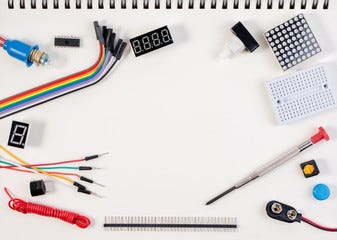
Are you ready to take your electronics hobby to the next level? Whether you’re just starting out or already have some experience, having the right tools and gear can make all the difference.
Imagine working on your projects smoothly, avoiding frustration, and seeing your ideas come to life faster. You’ll discover the must-have items that every electronics enthusiast needs. These essentials will save you time, boost your skills, and make your hobby even more enjoyable.
Keep reading to find out exactly what you need to build, tinker, and create with confidence.

Credit: medium.com
Key Tools For Electronics Projects
Having the right tools can make a huge difference in your electronics projects. They help you work faster, more accurately, and with greater confidence. Let’s break down some key tools you should have in your electronics hobby toolkit.
Soldering Equipment Essentials
Soldering is at the heart of most electronics projects. A good soldering iron with adjustable temperature control helps you handle different types of components without damaging them.
Don’t overlook quality solder wire—lead-free solder is safer and more environmentally friendly. A soldering stand and a cleaning sponge keep your workspace tidy and your iron tip in top shape.
Have you ever struggled with cold solder joints? Using flux and a desoldering pump can save you from those frustrating connection issues.
Multimeters And Their Uses
A multimeter is your best friend for testing and troubleshooting circuits. It measures voltage, current, and resistance, helping you understand how your components behave.
Even a basic digital multimeter is enough to check if a battery is dead or a wire is broken. More advanced models offer features like continuity testing and diode checking, which can be invaluable in complex projects.
Think about how many times a simple multimeter has saved you from guessing errors in your circuit design.
Wire Strippers And Cutters
Clean wire preparation makes soldering and connections much easier. Wire strippers remove insulation without nicking the wire, preserving the integrity of your connections.
Sharp wire cutters help you trim leads and wires precisely. Investing in good-quality tools here reduces frustration and improves the neatness of your projects.
Ask yourself, how often have rough wire ends slowed down your assembly or caused shorts?
Helpful Hand Tools
A set of small screwdrivers, tweezers, and needle-nose pliers can make a big difference. They allow you to handle tiny components and fasteners with precision.
Additionally, clamps or helping hands hold your work steady, freeing your hands for soldering or wiring tasks. These tools might seem simple, but they improve your workflow dramatically.
What would your electronics workspace be like without a reliable pair of pliers or a screwdriver?

Credit: medium.com
Gadgets That Boost Creativity
Gadgets that boost creativity help electronics hobbyists bring ideas to life. They provide tools to explore, build, and test projects effectively. These devices make learning fun and open new possibilities for innovation.
Microcontrollers And Development Boards
Microcontrollers are small computers on a chip. They control sensors, lights, motors, and other components. Development boards like Arduino and Raspberry Pi simplify programming and building projects. They come with many input and output pins. These boards let you test ideas quickly and learn coding skills.
Oscilloscopes For Signal Analysis
Oscilloscopes show electrical signals as waveforms on a screen. They help check how circuits work in real time. Hobbyists use oscilloscopes to find problems and measure voltage or frequency. Basic models are affordable and easy to use. They improve understanding of electronic signals and circuit behavior.
Power Supplies And Batteries
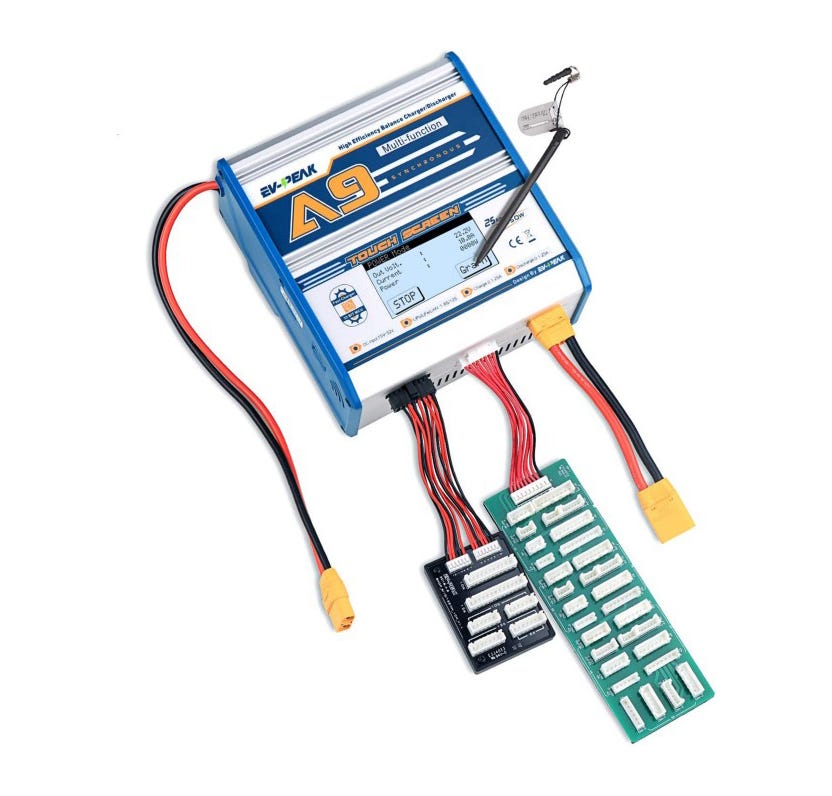
Reliable power sources keep projects running smoothly. Variable power supplies provide adjustable voltage and current. They protect circuits from damage by delivering stable power. Batteries offer portable energy for mobile projects. Knowing the right power type helps avoid failures and keeps devices safe.
Safety Gear For Electronics Work
Working with electronics involves small parts and delicate circuits. Safety gear protects your eyes, body, and devices. Using the right tools reduces risks and makes work safer and easier.
Eye Protection Options
Electronics work can cause sparks or flying debris. Protect your eyes with safety glasses or goggles. Choose glasses with clear lenses for better visibility. Wraparound styles offer more coverage from all angles. Avoid contact lenses alone; they do not shield your eyes.
Anti-static Precautions
Static electricity can damage sensitive electronic parts. Use an anti-static wrist strap to ground yourself. Work on an anti-static mat to prevent static buildup. Keep your workspace clean and dry to reduce static risks. Store components in anti-static bags or containers.
Proper Ventilation Tools
Soldering releases fumes that can irritate your lungs. Work in a well-ventilated area to avoid inhaling smoke. Use a fume extractor or fan to clear the air. Open windows or doors if possible for fresh air. Avoid breathing directly over the soldering point.
Organizing Your Electronics Workspace
Keeping your electronics workspace organized can save you hours of frustration. A clutter-free area helps you focus on your projects without hunting for parts or tools. It also reduces the risk of damaging delicate components or creating unsafe conditions.
Storage Solutions For Components
Small parts like resistors, capacitors, and ICs can easily get lost. Use clear plastic drawers or stackable containers labeled with part names or values. Magnetic strips are great for holding metal tools and tweezers within easy reach.
Consider using pill organizers or bead storage boxes for tiny components. They keep items separated and visible, so you don’t waste time searching. How often have you spent more time looking for parts than actually building your circuit?
Cable Management Tips
Cables can quickly become a tangled mess if not managed properly. Use Velcro straps or reusable cable ties to bundle wires neatly. Label each cable with tags or colored tape to identify their function or device connection.
Routing cables along the edges of your bench keeps them out of your way. Try mounting hooks or clips under the table to hang longer cables. This prevents accidental unplugging and keeps your workspace safer.
Workbenches And Lighting
A sturdy workbench with a smooth surface is essential for precise soldering and assembling. Choose one with adjustable height if possible to reduce strain during long sessions. Adding a cutting mat protects your bench and provides a grid for measuring.
Good lighting makes a huge difference. Use bright LED lamps with adjustable arms to focus light exactly where you need it. Have you noticed how a well-lit workspace reduces eye fatigue and helps catch tiny mistakes?
Software And Apps For Hobbyists
Choosing the right software and apps can dramatically improve your electronics hobby experience. These tools not only save time but also help you understand complex concepts better. Whether you are designing circuits, writing code, or seeking community support, having the right digital resources is essential.
Circuit Design Programs
Designing circuits on paper can be limiting and error-prone. Circuit design programs let you create, simulate, and test your circuits before building them physically. Popular options like Eagleand KiCadoffer user-friendly interfaces and powerful features for hobbyists.
Try to pick software that supports simulation. It helps you catch mistakes early and saves components from damage. Have you ever spent hours troubleshooting a build only to realize a wiring error? Simulation can prevent that frustration.
Code Editors And Debuggers
If your hobby involves programming microcontrollers or embedded systems, reliable code editors are crucial. Tools like Visual Studio Codeprovide syntax highlighting, code completion, and debugging features.
Debuggers let you step through your code and catch bugs quickly. This reduces the guesswork and accelerates learning. You don’t have to be a professional programmer to benefit from these tools; they make coding less intimidating and more productive.
Community And Learning Platforms
Engaging with fellow hobbyists can give you fresh ideas and solutions. Platforms like Hackaday, Instructables, and online forums provide tutorials, project ideas, and troubleshooting help.
These communities often share open-source code and schematics, which you can modify for your projects. How often do you find yourself stuck and wish there was someone to guide you? Online platforms connect you with experienced makers willing to help.
Credit: medium.com
Frequently Asked Questions
What Are Essential Tools For Electronics Hobbyists?
Essential tools include a multimeter, soldering iron, breadboard, and wire cutters. These tools help in building and testing circuits. A digital multimeter is crucial for measuring voltage, current, and resistance. A breadboard allows for quick prototyping. Soldering irons are used for joining electronic components.
How Do I Choose The Right Components?
Choose components based on your project requirements and specifications. Understand the voltage, current, and power ratings needed. Start with basic components like resistors, capacitors, and transistors. Research and read datasheets for detailed specifications. Online platforms and electronics kits can guide you in selecting the right components.
Why Is A Multimeter Important For Hobbyists?
A multimeter is vital for measuring electrical properties in circuits. It helps diagnose issues and ensures safety. With a multimeter, you can measure voltage, current, and resistance accurately. It’s an indispensable tool for troubleshooting and verifying circuit functionality. Beginners can learn circuit behavior through practical measurements.
How Can I Safely Handle Electronic Components?
Handle components with clean, dry hands to avoid damage. Use antistatic wristbands to prevent static discharge. Store components in antistatic bags to protect them. Be cautious of component polarity and follow datasheet guidelines. Always power off circuits before making adjustments or connections to ensure safety.
Conclusion
Having the right tools makes electronics projects easier and more fun. Basic equipment like a soldering iron, multimeter, and breadboard help you learn and build safely. Small parts such as resistors and LEDs let you experiment with circuits. Patience and practice improve your skills over time.
Enjoy the process and keep trying new ideas. Electronics hobbyists grow by doing and exploring step by step. Stay curious and keep your workspace organized for best results. This approach leads to success and satisfaction in your projects.
Leave a Reply