
Are you struggling to create a clear and effective test plan for your electronics component tests? Writing a solid test plan can be the difference between finding hidden flaws early and facing costly failures later.
You’ll discover simple, step-by-step methods to design a test plan that saves you time and ensures your components work perfectly. Keep reading, and you’ll learn exactly how to organize your testing process so you can feel confident about every part you check.
Purpose Of A Test Plan
A test plan defines the scope and approach for testing electronic components. It helps organize tasks and ensures all parts work correctly before use. Clear plans reduce errors and save time during testing.
In the realm of electronics component testing, creating a comprehensive test plan is crucial. The purpose of a test plan is to define the strategy and approach for testing, ensuring every aspect of the component is evaluated. It serves as a roadmap that guides the entire testing process, making sure nothing is overlooked and all team members are aligned.Goals And Objectives
Setting clear goals and objectives is the backbone of any successful test plan. What do you aim to achieve with your testing? Perhaps it’s validating the functionality of a new microchip or ensuring the durability of a resistor under various conditions. Every goal should be specific and measurable. Instead of simply stating “test the microchip,” you might specify “verify the microchip’s performance at varying voltages.” This clarity helps in tracking progress and assessing the effectiveness of the test plan.Scope And Limitations
Defining the scope of your test plan is essential to ensure focus and efficiency. What components will you test, and in what conditions? Are you testing for performance, reliability, or both? However, it’s equally important to acknowledge the limitations. Perhaps budget constraints limit the range of tests you can perform, or time restrictions mean you can’t test every component variation. Recognizing these limitations upfront allows you to prioritize and make informed decisions. Have you ever faced unexpected challenges because you didn’t account for certain limitations? By addressing both scope and limitations, you create a more realistic and achievable test plan. Using these insights, you can craft a test plan that not only meets your technical requirements but also aligns with your project’s overall goals.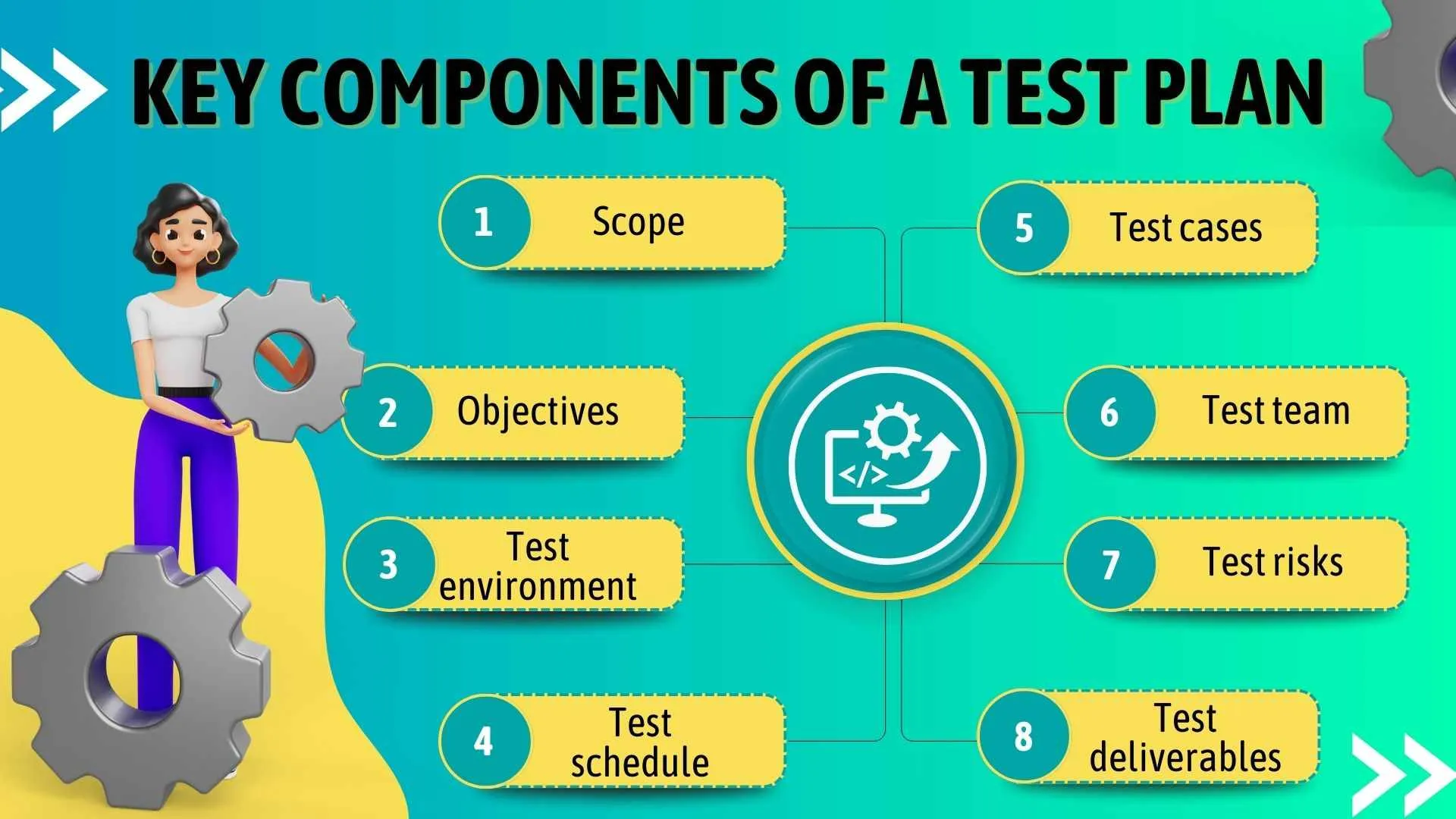
Credit: www.frugaltesting.com
Key Components Of A Test Plan
A well-structured test plan is essential for testing electronic components accurately. It guides the testing process and helps catch faults early. The key components of a test plan ensure clarity and focus throughout the testing cycle.
Each part of the test plan plays a specific role. Clear definition of test items, environment setup, and criteria helps testers follow a consistent approach. These components reduce errors and save time.
Test Items And Features
List every electronic component to be tested. Include specific features and functions of each item. This helps testers understand what to check and how the component should perform.
Example items:
- Resistors and capacitors
- Microcontrollers
- Connectors and switches
Describe any critical features like voltage range or signal type. This ensures the test focuses on important aspects.
Test Environment Setup
Define the physical and software environment for testing. Mention the tools, machines, and equipment needed. Proper setup ensures reliable and repeatable test results.
Include details such as:
- Test bench layout
- Measurement instruments
- Software versions used
- Power supply specifications
Specify environmental conditions like temperature or humidity if they affect the component’s performance.
Test Criteria And Metrics
Set clear pass/fail criteria for each test. Define acceptable ranges or limits for performance parameters. This makes test results objective and easy to interpret.
Common metrics include:
- Voltage tolerance
- Current consumption
- Signal integrity
- Response time
Use measurable and realistic targets. This helps identify components that meet quality standards or need rework.
Preparing For Electronics Component Testing
Preparing for electronics component testing sets the foundation for accurate results. Clear preparation helps avoid errors and saves time. It ensures the test plan covers all necessary aspects of the component. Early preparation helps you understand what to expect during testing and what tools to use.
Identifying Component Specifications
Start by gathering all technical details of the component. Specifications include voltage, current, resistance, capacitance, and tolerance levels. Check datasheets and manufacturer manuals for reliable information. Note the operating conditions like temperature and frequency ranges. Understanding these specs guides the test limits and criteria.
Document key parameters such as:
- Maximum voltage and current ratings
- Power consumption
- Physical dimensions
- Connection pins and types
Gathering Required Tools And Equipment
Collect all tools needed for the testing process before starting. Use proper test instruments like multimeters, oscilloscopes, and signal generators. Ensure the tools are calibrated and in good working condition. Prepare test fixtures or boards if needed for component mounting. Keep safety gear ready to protect yourself during tests.
Common equipment includes:
- Digital multimeter
- Oscilloscope
- Power supply
- Soldering tools
- Test fixture or breadboard
Credit: www.frugaltesting.com
Writing Test Cases
Writing test cases is a key part of creating a solid test plan for electronics component testing. Test cases describe specific actions and expected results to verify if a component works correctly. Clear test cases help testers follow steps easily and identify problems quickly. Good test cases save time and reduce errors during testing.
Creating Clear And Measurable Tests
Write test cases with simple, direct language. Use short sentences that describe each step clearly. Include exact values for inputs and expected outputs. Avoid vague terms like “check” or “verify” without details. Each test case should focus on one function or feature.
- Start with a unique test case ID for tracking.
- Define the purpose of the test in one sentence.
- List all inputs, conditions, and setup needed.
- Describe each step to perform the test.
- State the expected result precisely.
Measurable results mean you can compare actual outcomes with expected ones easily. Use numbers, ranges, or pass/fail criteria to make tests objective.
Handling Edge Cases And Failures
Edge cases test limits or unusual conditions. They reveal hidden problems that normal tests miss. Include tests for maximum and minimum values, incorrect inputs, and unexpected signals. Plan tests for how the component handles errors or failures.
- Test components under extreme temperature or voltage.
- Simulate interrupted power or signal loss.
- Check response to invalid data or commands.
- Verify recovery from faults or resets.
Testing failures ensures the component is safe and reliable. Document how to detect and record failures in the test case. This helps engineers fix issues faster.
Scheduling And Resource Allocation
Scheduling and resource allocation are the backbone of a successful test plan for electronics component testing. Without a clear schedule and proper resource management, your testing process can quickly become chaotic, leading to missed deadlines and inefficient use of equipment and personnel. Getting these elements right helps ensure your tests run smoothly and deliver reliable results.
Timeline Planning
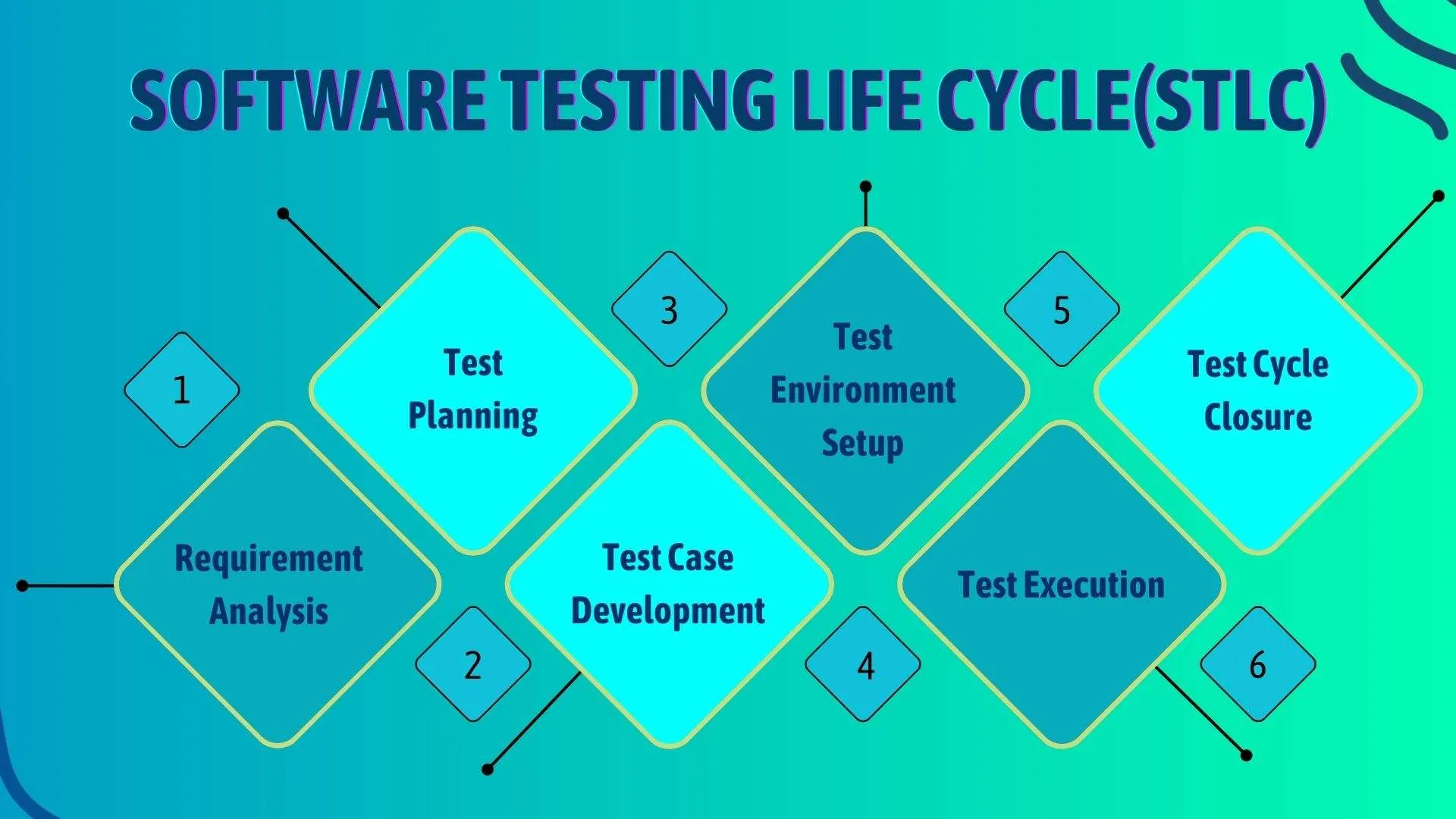
Setting a realistic timeline is crucial. Start by breaking down the entire testing process into smaller, manageable phases—such as setup, execution, data analysis, and reporting.
Estimate how long each phase will take based on past projects or expert advice. Don’t forget to build in buffer time for unexpected delays like equipment malfunctions or re-tests.
Using a Gantt chart or project management tool can help you visualize the timeline and track progress. Ask yourself: Are the deadlines achievable with the current resources and team availability?
Assigning Roles And Responsibilities
Clear roles prevent confusion and overlap. Identify who will handle each part of the test plan, from preparing test equipment to recording and analyzing data.
Match tasks with team members’ skills to boost efficiency. For example, assign complex data analysis to someone with strong technical expertise and test setup to a technician familiar with the hardware.
Communicate responsibilities early and confirm understanding. This keeps everyone accountable and makes it easier to spot potential gaps or overloads in your team’s workload.

Credit: www.frugaltesting.com
Executing The Test Plan
Executing the test plan is where your preparation meets real-world conditions. This phase demands attention to detail and strict adherence to your outlined steps. How you carry out these procedures can make the difference between clear, actionable results and confusing data.
Test Procedure Guidelines
Stick closely to the test procedures you drafted. Consistency is key to reliable results, so avoid improvising on the spot unless you document every change thoroughly.
Make sure all testers understand the procedure before starting. Clear communication prevents errors that could skew your data or damage the components.
Double-check all equipment settings and calibration before beginning. Faulty setup can lead to repeated tests and wasted time.
Data Collection And Logging
Accurate data collection is crucial. Use standardized forms or digital tools to log every measurement and observation immediately during the test.
Record contextual information alongside raw data. Notes about environmental conditions or any irregularities can explain unexpected results later.
Think about how you will organize this data for analysis. Well-structured logs make it easier to identify patterns and make informed decisions.
Analyzing Test Results
Analyzing test results is a vital step in electronics component testing. It helps verify if the component meets the required standards. Careful analysis ensures reliable performance and identifies any faults early.
Clear understanding of test data guides decision-making for product quality and safety. It involves detailed examination of measurements and patterns to draw meaningful conclusions.
Interpreting Data
Test data shows how components behave under specific conditions. Focus on key values like voltage, current, and resistance. Compare these values with expected ranges to spot deviations.
Use graphs and charts to visualize trends and variations. This makes it easier to spot unusual behavior. Consistent data confirms that components work as intended.
Note any patterns that repeat across multiple tests. These patterns can reveal hidden issues or confirm stable performance.
Identifying Defects And Anomalies
Look for data points that fall outside normal limits. These may indicate defects or failures. Anomalies often show as sudden spikes or drops in measurements.
Document all irregularities with detailed notes and screenshots. This helps in troubleshooting and future reference. Check if anomalies occur under specific test conditions or randomly.
Use statistical tools to detect subtle defects. These tools help filter noise and highlight real problems. Early detection of defects prevents costly failures later.
Updating And Maintaining The Test Plan
Updating and maintaining the test plan is vital for accurate electronics component testing. A test plan must evolve with new insights and changes in the project. Regular updates keep the plan relevant and reliable. Maintenance ensures all test scenarios reflect the current requirements and technology. Without this, tests may miss defects or waste time on outdated checks.
Incorporating Feedback
Gather feedback from all team members involved in testing. Engineers, testers, and project managers offer valuable insights. Note any challenges faced during test execution. Identify missing test cases or unclear instructions. Adjust the plan to fix these issues. Prioritize feedback that improves test accuracy and efficiency. A feedback loop creates continuous improvement in the test plan.
Version Control Practices
Use version control to track changes in the test plan. Assign version numbers to each update for easy reference. Document what changes were made and why. Store previous versions securely for future review. Share the latest version with all stakeholders promptly. Version control prevents confusion and ensures everyone uses the correct plan. It also helps in auditing and compliance checks.
Best Practices For Effective Testing
Effective testing in electronics component tests depends on solid practices. These practices ensure the test plan is clear, thorough, and reliable. Following key principles helps catch issues early and improves product quality. A focused approach reduces errors and saves time.
Ensuring Test Coverage
Test coverage means checking every part of the component. Cover all functional areas, including edge cases and common use cases. Use a checklist to track coverage and avoid missing tests. Test both hardware and software interfaces to find hidden faults.
Include different operating conditions like temperature, voltage, and load. Verify performance under normal and extreme situations. This approach helps detect weaknesses before the product reaches users.
Communication And Documentation
Clear communication keeps the whole team aligned. Write test plans using simple, precise language. Use diagrams and tables to explain complex points clearly.
Document all test steps, expected results, and actual outcomes. Keep records organized and accessible. Share updates regularly to avoid confusion and ensure everyone knows the current test status.
Frequently Asked Questions
What Is A Test Plan For Electronics Component Testing?
A test plan outlines procedures to evaluate electronic components. It defines objectives, methods, resources, and timelines to ensure accurate testing and quality assurance.
How To Structure A Test Plan For Electronics Components?
Structure includes test objectives, scope, resources, schedule, test cases, and criteria. Clear organization ensures thorough and efficient component testing.
Why Is A Test Plan Important For Electronics Testing?
It ensures systematic testing, reduces errors, and improves product reliability. A test plan guides teams to meet quality and compliance standards.
What Key Elements Should Be In An Electronics Test Plan?
Include objectives, test scope, setup, test cases, pass/fail criteria, and reporting methods. These elements guarantee comprehensive and consistent testing processes.
Conclusion
Writing a clear test plan helps ensure electronics components work well. It guides testing steps and keeps the process organized. You can find issues early and fix them quickly. A good plan saves time and reduces errors. Keep the plan simple and update it as needed.
Testing becomes easier and more effective this way. Follow these tips to write a strong test plan for your electronics projects. Success comes from clear steps and careful checks.
Leave a Reply