Are you ready to build your next electronic project but unsure which components to buy? Choosing the right parts can make all the difference between success and frustration.
Whether you’re a beginner or upgrading your toolkit, knowing exactly what to pick saves you time, money, and headaches. In this guide, you’ll discover the essential electronic components that every hobbyist and professional should have on hand. By the end, you’ll feel confident making smart choices that bring your ideas to life.
Keep reading to unlock the secrets to buying the perfect components for your needs.
Credit: www.alibaba.com
Basic Electronic Components
Understanding basic electronic components is crucial for anyone interested in electronics, whether you’re a hobbyist or a budding engineer. These fundamental pieces are the building blocks for more complex circuits. Knowing what to buy and how each component functions can save you time and money, and enhance your ability to innovate.
Resistors And Their Types
Resistors are essential for controlling current in a circuit. They come in various types like carbon film, metal film, and wire-wound. Each type serves different purposes based on tolerance, heat capacity, and applications.
Carbon film resistors are affordable and great for general use. Metal film resistors offer better precision, making them ideal for audio equipment. Wire-wound resistors handle high power and are perfect for high-voltage applications.
Capacitors And Uses
Capacitors store and release electrical energy. They’re used in applications like filtering, timing, and energy storage. You’ll find them in almost every electronic device you use.
Electrolytic capacitors are excellent for high-capacity needs. Ceramic capacitors are smaller and used for high-frequency applications. Film capacitors are reliable and stable, perfect for power applications.
Diodes And Leds
Diodes allow current to flow in one direction, acting as a check valve in circuits. They’re crucial for converting AC to DC and for protecting circuits from voltage spikes.
LEDs, or Light Emitting Diodes, are a special type of diode that emits light when current flows through. They’re used in displays, indicators, and lighting due to their efficiency and long life.
Transistors Explained
Transistors are the cornerstone of modern electronics, used for switching and amplification. They can turn small inputs into much larger outputs, enabling complex operations in computers and other devices.
Bipolar Junction Transistors (BJTs) are great for amplification tasks. Field Effect Transistors (FETs) are used for high-speed switching. Understanding the right type of transistor for your project can make all the difference.
Choosing the right electronic components is not just about technical specifications. It’s about understanding your project’s needs and your own skill level. What challenges have you faced when selecting components? Share your experiences and let’s learn together.

Credit: ecollect.lv
Essential Tools For Beginners
Starting with electronic components requires the right tools. Beginners need basic equipment to test, build, and connect circuits. Choosing essential tools saves time and reduces errors. These tools make learning easier and projects more fun.
Multimeter Basics
A multimeter measures voltage, current, and resistance. It helps check if parts work properly. Digital multimeters are simple to use and affordable. Look for one with clear displays and easy buttons. Knowing how to read a multimeter is key for testing circuits.
Soldering Equipment
Soldering tools join electronic parts securely. A good soldering iron heats quickly and stays steady. Use solder wire with flux for clean joints. Safety gear like a stand and fume extractor protects you. Practice on simple boards to improve your skill.
Breadboards And Prototyping
Breadboards let you build circuits without soldering. They have many holes to insert components and wires. Use jumper wires to connect parts easily. Breadboards help test ideas and fix mistakes fast. They are great for learning and small projects.
Wire Strippers And Cutters
Wire strippers remove insulation without damaging wires. Cutters trim wires to the right length. Both tools keep connections neat and safe. Choose tools that fit your hand comfortably. Clean cuts and stripped wires improve circuit reliability.
Choosing The Right Components
Choosing the right electronic components is key to the success of any project. Selecting parts that fit your needs not only saves time but also prevents costly mistakes. You want components that work reliably under the conditions of your project and match your technical requirements.
Reading Component Specifications
Component datasheets contain critical information you can’t ignore. Look for parameters like voltage rating, current capacity, tolerance, and temperature range. These details tell you whether a component can handle your project’s demands.
For example, a resistor with a 5% tolerance might be fine for a simple circuit but not for precision applications. Don’t guess—read the specs carefully to avoid surprises later. Have you checked if your capacitor’s voltage rating is higher than your circuit’s maximum voltage?
Matching Components To Projects
Every project has unique requirements. A microcontroller for a simple sensor won’t be the same as one for a complex robot. Define what your project needs: processing power, size, power consumption, and connectivity.
Choosing the right component means thinking about the environment too. Are your parts going to be exposed to heat, moisture, or vibration? For outdoor projects, select components with rugged specifications. How well do your current parts fit those conditions?
Quality Vs. Cost Considerations
Balancing quality and cost is a constant challenge. Cheaper components might save money upfront but can cause failures and downtime. Higher-quality parts often last longer and perform better, especially in demanding projects.
Think about the consequences if a component fails. Is it worth spending a bit more now to avoid headaches later? Sometimes, investing in trusted brands or certified components pays off in reliability. What’s your budget, and how much risk are you willing to accept?
Where To Buy Components
Choosing where to buy electronic components affects your project’s success. Selecting the right source ensures quality parts and good prices. Many options exist, each with its pros and cons. Understanding these helps you find parts quickly and safely.
Online Retailers
Online stores offer a vast selection of components. Popular sites include Digi-Key, Mouser, and SparkFun. They provide detailed specs and datasheets for each part. Delivery is fast, often with tracking options. Prices vary but often include discounts. Shopping online saves time and effort. Customer reviews help confirm product quality. Beware of shipping delays or extra fees.
Local Electronics Stores
Local shops allow you to see parts before buying. Staff can give advice and answer questions. You can get parts immediately without waiting for shipping. Smaller quantities are easier to buy locally. Prices might be higher than online. These stores support local businesses and community makers. Visiting shops helps you learn about new components. Good for urgent or small projects.
Buying In Bulk
Buying many parts at once reduces cost per unit. Ideal for large projects or repeated builds. Suppliers often offer discounts for bulk orders. Storage space and shelf life should be considered. Bulk buying requires a bigger upfront investment. Check if the parts will be used before they expire. Bulk orders save money but need planning. Suitable for businesses and hobbyists alike.
Avoiding Counterfeit Parts
Counterfeit parts can cause project failures and safety issues. Buy from trusted suppliers with good reputations. Check for proper labeling and packaging. Compare part numbers and markings with official datasheets. Beware of prices that seem too low. Test parts before use if possible. Use authentication tools or services. Protect your projects with genuine components only.
Storing And Organizing Components
Organizing electronic components properly saves time and reduces frustration. Good storage keeps parts visible and easy to find. It also protects components from damage and loss. Setting up a neat system helps maintain your inventory and speeds up your projects.
Storage Containers And Labels
Choose clear plastic containers with compartments for sorting parts. Use small boxes or drawer organizers for resistors, capacitors, and ICs. Label each container clearly to identify components quickly. Labels can include part names, values, or codes. Use waterproof labels or masking tape with a permanent marker.
Inventory Management Tips
Keep a simple list of your components and quantities. Use a spreadsheet or a notebook to track what you have. Update the list after every purchase or use. Group similar parts together for easier counting and restocking. Periodically check your inventory to spot low stock or expired items.
Protecting Components From Damage
Store sensitive parts like ICs in anti-static bags or containers. Avoid moisture by keeping components in dry places or using silica gel packets. Handle delicate components gently to prevent bending or breaking. Keep heavier items separate to avoid crushing smaller parts. Keep your storage area clean and dust-free to protect components.
Starter Kits And Beginner Sets
Starter kits and beginner sets are the perfect way to dive into the world of electronics without feeling overwhelmed. They bundle essential components into one package, saving you time and guesswork. Whether you’re building your first circuit or aiming to understand the basics, these kits guide you step-by-step.
Benefits Of Starter Kits
Starter kits offer a clear path to learning by providing everything you need in one place. They reduce the need to hunt down individual parts, which can be confusing and expensive.
You get hands-on experience with a variety of components, helping you recognize and understand their roles in circuits. Plus, many kits include project guides or tutorials to keep you motivated and on track.
Popular Kits To Consider
- Arduino Starter Kit:Ideal for beginners interested in microcontrollers and programming. It includes sensors, LEDs, motors, and a microcontroller board.
- Raspberry Pi Beginner Kit:Great for learning both hardware and software with a mini-computer, accessories, and instructional booklets.
- Elegoo Electronics Fun Kit:Offers a wide range of components and detailed tutorials, perfect for experimenting with basic to intermediate projects.
Which kit fits your goals depends on whether you want to focus on programming, hardware, or a mix of both.
What To Expect In A Kit
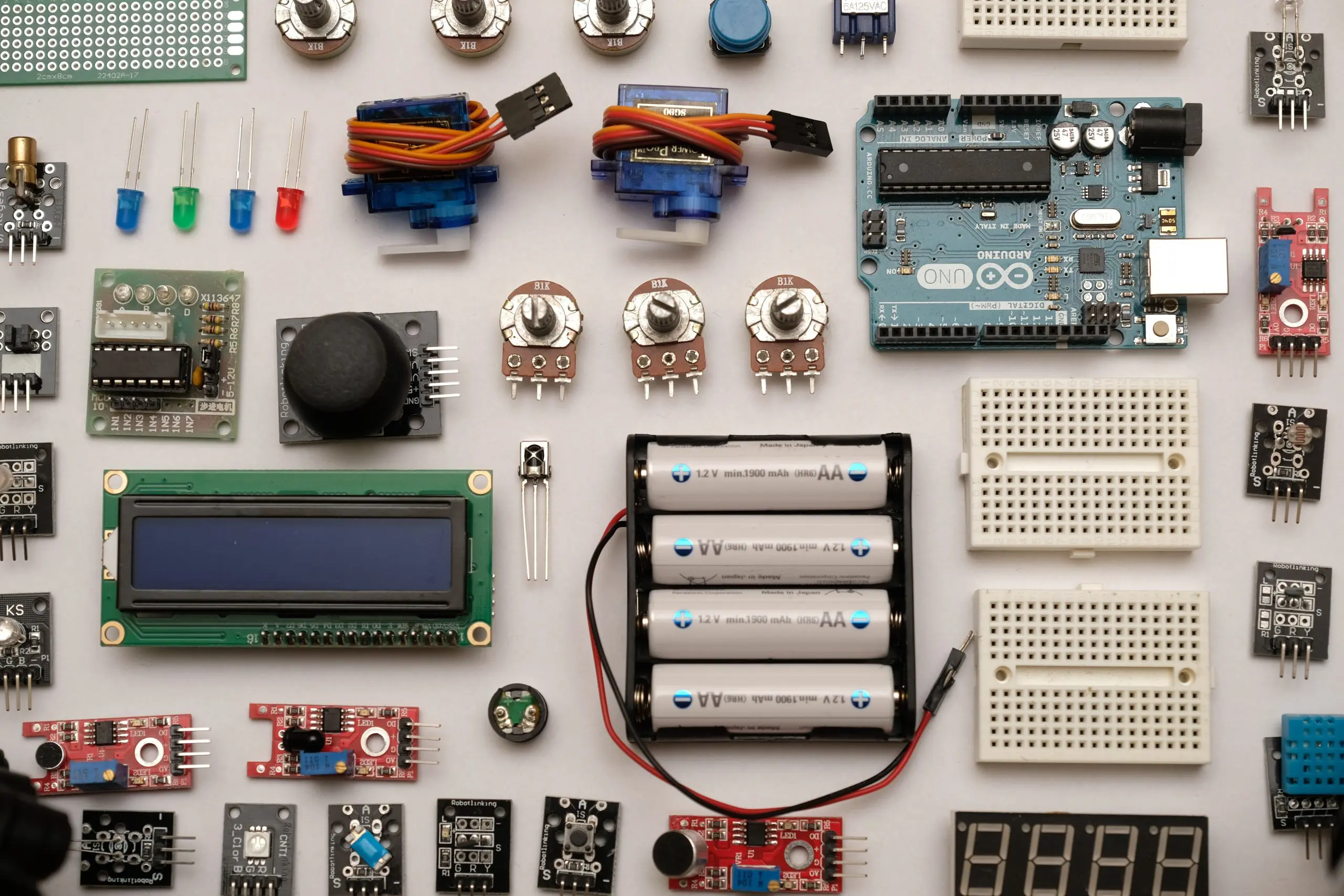
Most beginner kits include a breadboard, jumper wires, resistors, capacitors, LEDs, and a power supply or battery pack. These parts allow you to build simple circuits and test ideas quickly.
Some kits add sensors like temperature or light sensors, buttons, and small motors, letting you create interactive projects. You’ll often find a manual or booklet with step-by-step project instructions that explain how to connect parts and write basic code.
Having these resources means you won’t feel stuck. Instead, you’ll learn by doing and see real results fast—an essential motivator when you’re just starting out.
Credit: www.accio.com
Frequently Asked Questions
What Are Essential Electronic Components For Beginners?
Essential components include resistors, capacitors, LEDs, transistors, and breadboards. These basics help beginners learn circuit design and prototyping.
How To Choose The Right Electronic Components?
Consider your project requirements, voltage, current ratings, and compatibility. Always check datasheets and quality to ensure proper functionality.
Where To Buy Quality Electronic Components Online?
Trusted stores like Digi-Key, Mouser, and SparkFun offer reliable parts. They provide detailed specs, fast shipping, and customer support.
What Are Common Mistakes When Buying Components?
Avoid buying incompatible parts or low-quality items. Check specifications carefully and buy from reputable suppliers to prevent project failures.
Conclusion
Choosing the right electronic components is key for any project. Start with basic parts like resistors, capacitors, and transistors. Consider quality and compatibility before buying. Small details can affect your device’s performance. Keep your needs clear and budget in mind.
Buy from trusted stores to avoid poor parts. Testing components before use saves time and frustration. Stay patient and learn as you go. This approach ensures success and helps build confidence in electronics.
Leave a Reply