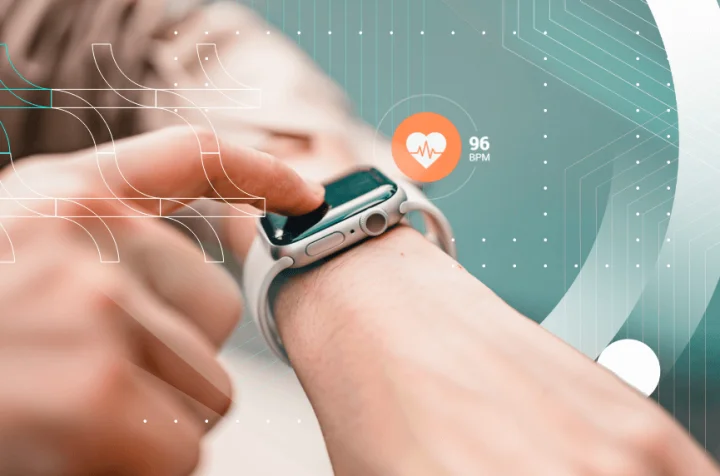
Imagine having a device on your wrist that not only tells time but also watches over your health every second of the day. What if this simple gadget could alert you before a serious health issue arises?
Wearable technology is changing the way we understand and manage our well-being. If you’ve ever wondered how these small devices might transform your life and the future of medicine, you’re about to discover something exciting. Keep reading to find out how wearable tech could become your personal health guardian and revolutionize medical care as we know it.
Credit: residencyadvisor.com
Rise Of Wearable Tech In Healthcare
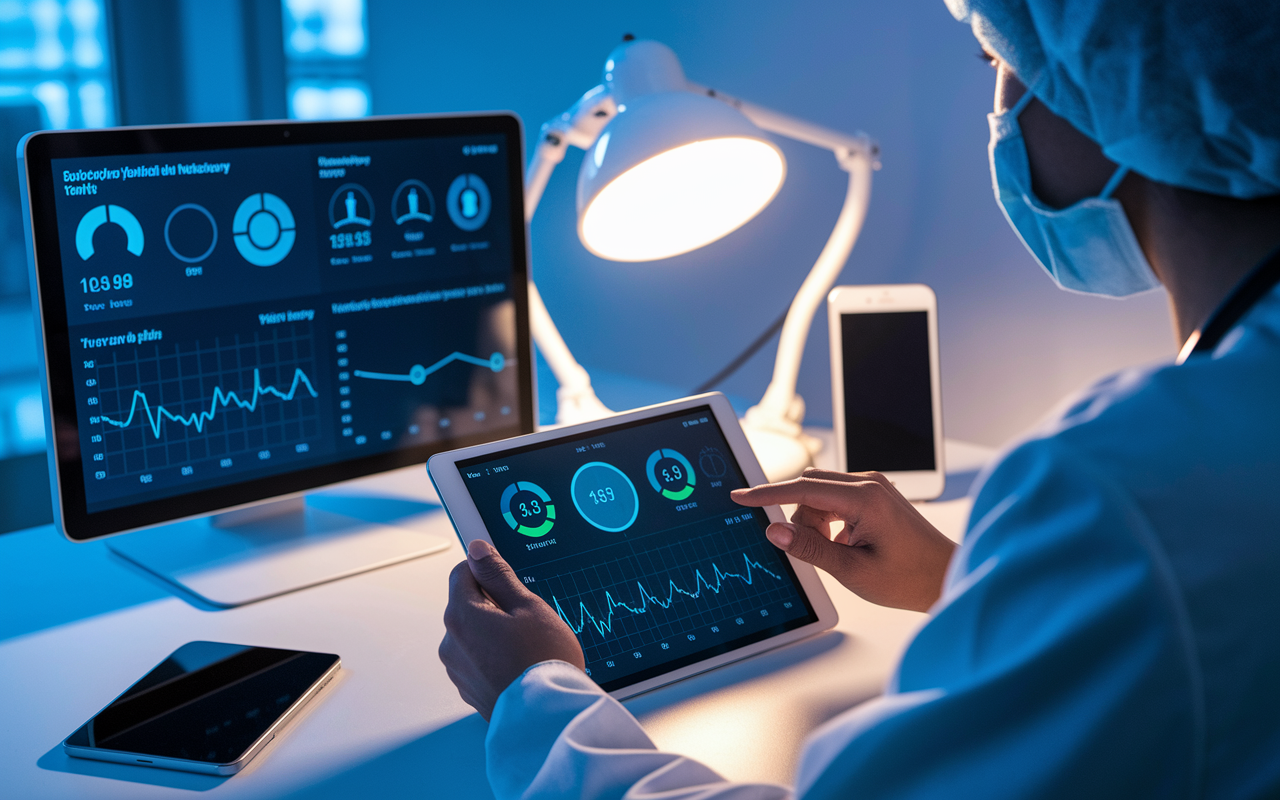
Wearable technology is changing healthcare rapidly. These devices help track health data continuously. They give doctors and patients real-time information. This technology supports better diagnosis and treatment. The rise of wearable tech in healthcare shows a new way forward for medicine.
Evolution Of Medical Wearables
Medical wearables started as simple tools. Early devices only measured heart rate or steps. Today, they track many body functions. Sensors have become smaller and more accurate. Data collection and analysis happen instantly now. This evolution helps doctors monitor patients remotely. It also aids in managing chronic diseases more effectively.
Current Popular Devices
- Smartwatches with heart rate and oxygen sensors
- Fitness bands that track sleep and activity
- Continuous glucose monitors for diabetes care
- Wearable ECG monitors for heart health
- Smart patches that measure hydration and temperature
These devices are easy to use and widely available. Many connect to smartphones for better health tracking. They encourage users to stay active and healthy. Wearables are becoming a normal part of healthcare routines.
Health Benefits Of Wearables
Wearable technology offers many health benefits that improve daily care. These devices track important body signals and help users stay informed about their health. They bring health data closer to people, making it easier to manage wellness and detect issues early.
Real-time Monitoring
Wearables provide instant updates about heart rate, sleep, and activity levels. This real-time data helps users adjust habits quickly. Doctors can also receive live information to monitor patients remotely. It supports faster responses to changes in health conditions.
Early Disease Detection
Wearable devices can spot unusual patterns that may signal illness. Early signs of diseases like diabetes or heart problems become clearer. Detecting problems early allows for prompt treatment and better outcomes. Users get warnings before symptoms worsen.
Chronic Condition Management
People with chronic illnesses benefit from continuous tracking of vital signs. Wearables help manage conditions such as asthma, diabetes, and hypertension. They remind users to take medication and keep health records updated. This support improves quality of life and reduces hospital visits.
Challenges And Limitations
Wearable technology has the potential to transform medicine, but it’s not without its challenges. These devices collect vast amounts of personal health data, making privacy a critical concern. Accuracy and reliability also vary, affecting how much you can trust the information. Plus, getting everyone to adopt these gadgets isn’t as simple as it sounds. Let’s dive deeper into what holds wearable tech back from becoming a medical staple.
Data Privacy Concerns
Your health data is incredibly sensitive. Wearable devices track everything from heart rate to sleep patterns, creating detailed personal profiles. If this data falls into the wrong hands, it could lead to identity theft, discrimination, or unwanted marketing.
Many users don’t realize how their information is stored or shared. Are you comfortable with a company selling your health stats to advertisers or insurance firms? Transparency and strong encryption should be non-negotiable, but not all manufacturers meet these standards.
Accuracy And Reliability Issues
Wearables promise real-time health insights, but their accuracy can be inconsistent. A fitness tracker might misread your heart rate during intense exercise or fail to detect irregular rhythms. This can lead to false alarms or missed warnings.
Devices often vary in quality, and software glitches can distort data. If you rely on wearables for critical health decisions, how confident are you that the readings reflect your true condition? Until accuracy improves, wearables should complement—not replace—professional medical advice.
User Adoption Barriers
Getting people to use wearable health devices regularly is tougher than expected. Some find them uncomfortable or invasive, while others struggle with tech complexity. If the device isn’t easy to use, you’re less likely to stick with it.
Cost is another barrier. High-quality wearables can be expensive, and insurance rarely covers them. Would you invest in a device if you weren’t sure it would make a real difference to your health?
Lastly, some users worry about becoming overly dependent on technology, which can create anxiety. Balancing use without obsession is a fine line to walk.
Integration With Healthcare Systems
Wearable technology is becoming a key part of healthcare. Its true value lies in how well it fits into existing health systems. Integration allows doctors and nurses to use data from wearables to make better decisions. This creates a more connected and efficient care experience for patients.
Devices like smartwatches and fitness trackers collect health data continuously. This data must flow smoothly into healthcare systems for real-time use. The integration helps track patient health outside hospitals, improving care quality and response times.
Remote Patient Monitoring
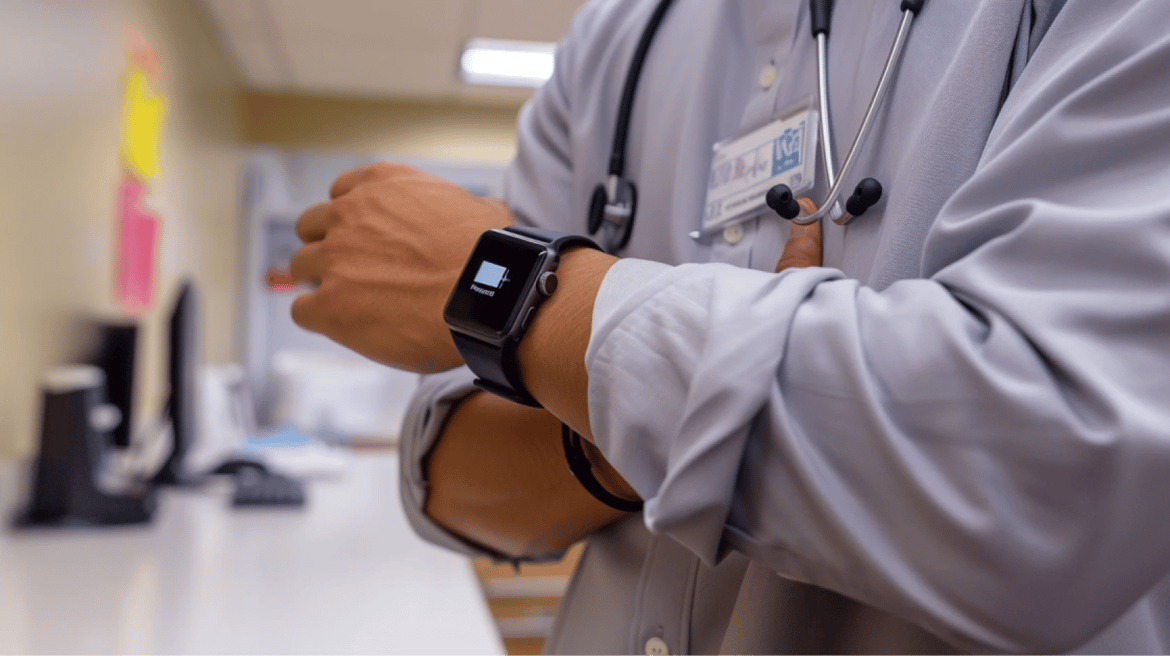
Wearables enable doctors to watch patients from a distance. They send vital signs such as heart rate and blood pressure directly to clinics. This monitoring helps detect problems early before they become serious. Patients avoid frequent hospital visits, saving time and money.
Doctors get alerts if readings are unusual. This allows quick action and personalized treatment. Remote monitoring also supports chronic disease management by keeping constant track of patient health.
Telemedicine Synergy
Wearable devices work well with telemedicine services. They provide accurate health data during virtual doctor visits. This data helps doctors understand patient conditions better.
Patients can share their wearable data easily during online consultations. It makes remote check-ups more reliable. Telemedicine becomes more effective with continuous health insights from wearables.
Data Sharing And Interoperability
Sharing wearable data with healthcare systems must be smooth. Different devices and software need to work together seamlessly. Interoperability means data from various wearables integrates into electronic health records (EHR).
Standards and protocols make this possible. They ensure data is clear and useful for healthcare providers. Proper data sharing improves diagnosis and treatment plans. It also protects patient privacy and security.
Future Innovations
Wearable technology is evolving fast, shaping the future of medicine. New innovations promise better health monitoring and treatment. These advances focus on making devices smarter, more accurate, and tailored to individual needs.
Ai And Machine Learning Enhancements
Artificial intelligence helps wearables analyze health data in real time. Machine learning improves predictions for disease risks and alerts users early. These systems learn from each person’s unique health patterns. This leads to more accurate and timely medical insights.
Advanced Sensor Technologies
New sensors can detect a wide range of health signals. They measure heart rate, blood sugar, oxygen levels, and more with higher precision. Smaller, flexible sensors increase comfort and wearability. These sensors can also monitor continuous changes, providing detailed health reports.
Personalized Medicine Applications
Wearables support treatments tailored to each person’s biology. They collect data to customize medication and therapy plans. This personalization helps improve treatment effectiveness and reduce side effects. Patients receive care that fits their unique health profiles better than ever before.
Credit: www.otandp.com
Impact On Patient Lifestyle
Wearable technology is changing how patients live with their health. These devices offer constant monitoring and real-time feedback. This helps patients make better choices every day. Small changes in lifestyle can lead to big health improvements. Wearables fit easily into daily routines. They make health tracking simple and accessible. The impact on patient lifestyle is significant and promising.
Promoting Healthy Habits
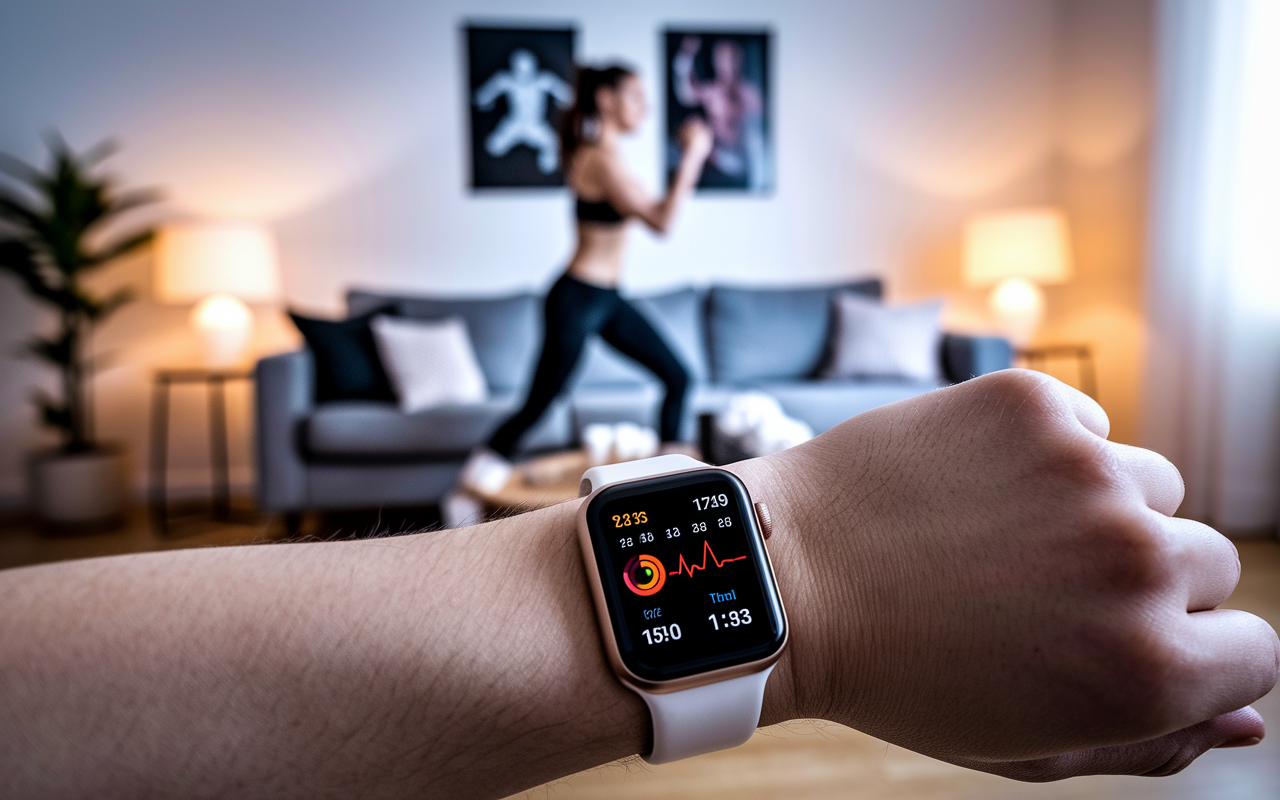
Wearables encourage users to move more and eat better. Step counters and activity trackers motivate physical activity. Sleep monitors help improve rest quality. Heart rate sensors alert users to stress levels. These tools guide patients to healthier decisions. Regular reminders keep users focused on goals. Healthy habits become easier to maintain with data support.
Empowering Patient Engagement
Patients gain control over their health information. Wearables provide instant access to vital signs and trends. This knowledge increases awareness and understanding. Users feel more confident managing chronic conditions. Sharing data with doctors improves communication and care. Engaged patients take an active role in treatment plans. This empowerment leads to better health outcomes.
Reducing Hospital Visits
Continuous monitoring helps catch problems early. Wearables can alert patients and doctors to warning signs. Early detection reduces emergency room visits. Many conditions can be managed at home with wearable data. This lowers healthcare costs and stress for patients. Remote monitoring supports ongoing care without frequent hospital trips. Patients enjoy greater independence and peace of mind.
Credit: residencyadvisor.com
Frequently Asked Questions
What Is Wearable Technology In Medicine?
Wearable technology in medicine refers to devices worn on the body that monitor health metrics. These devices track data like heart rate, blood pressure, and activity levels. They provide real-time health insights, helping in early diagnosis and personalized treatment.
How Do Wearables Benefit Healthcare Professionals?
Wearables provide continuous health monitoring, offering valuable data to healthcare professionals. This data helps in tracking patient progress and detecting health issues early. It enhances personalized treatment plans and improves patient outcomes.
Can Wearable Technology Prevent Health Issues?
Yes, wearable technology can help prevent health issues by monitoring vital signs continuously. It alerts users and healthcare providers to potential problems before they become serious. Early intervention is possible, reducing the risk of severe health conditions.
Are Wearables Reliable For Medical Use?
Wearables have become increasingly reliable, but their accuracy varies by device. Most are suitable for general health monitoring. For critical health decisions, consult healthcare professionals and use wearables as supplementary tools.
Conclusion
Wearable technology shows strong promise in medicine’s future. It helps track health in real time. Patients can catch problems early and get help fast. Doctors get better data to make good choices. Costs may drop as care becomes more personal.
Challenges remain, like privacy and device accuracy. Still, wearable devices keep improving every year. They could change how we stay healthy and treat illness. The future of medicine looks connected and smart. Wearables might become a regular part of healthcare soon.
Leave a Reply