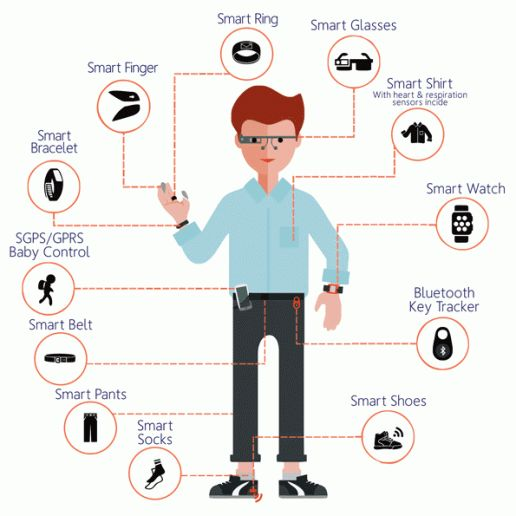
Have you ever wondered how wearable technology can make your daily life easier and more exciting? From tracking your health to boosting your productivity, these small devices do a lot more than just tell time.
Imagine having a personal assistant right on your wrist, helping you stay connected, motivated, and even safer. You’ll discover the real-life uses of wearable technology that could change the way you live, work, and play. Keep reading to find out how these gadgets can fit into your world and bring real benefits to your everyday routine.

Credit: medium.com
Health And Fitness Tracking
Health and fitness tracking through wearable technology has become an essential part of daily life for many. These devices offer real-time insights that help you understand your body better. Whether you’re a fitness enthusiast or someone managing a health condition, wearables provide valuable data that can guide your choices.
Monitoring Vital Signs
Wearables can track vital signs like heart rate, blood pressure, and oxygen levels continuously. This constant monitoring helps you catch irregularities early, potentially preventing serious health issues. Imagine noticing a sudden spike in your heart rate during rest—this data could prompt you to consult a doctor sooner rather than later.
Activity And Workout Tracking
Tracking your daily activity is more than counting steps. Wearables measure distance, calories burned, and even the intensity of your workouts. This detailed feedback allows you to adjust your routines to meet your goals more effectively. Have you ever wondered if your workout is really making a difference? These devices give you the answer.
Sleep Quality Analysis
Good sleep is crucial for overall health, yet many overlook its importance. Wearables analyze your sleep patterns by monitoring movements and heart rate during the night. This data helps identify issues like insomnia or sleep apnea, guiding you to improve your rest. Would you be surprised to learn how much your sleep quality affects your daily energy?
Enhancing Communication
Wearable technology plays a big role in improving how people communicate daily. It makes staying connected easier and faster. These devices help users get messages, calls, and information without needing to hold a phone. Communication becomes more natural and hands-free, helping people focus on their tasks or activities.
Smartwatches And Notifications
Smartwatches show notifications right on your wrist. You can see messages, emails, and social media alerts instantly. This helps you respond quickly without taking out your phone. Smartwatches also allow quick replies with simple taps or voice commands. They keep you updated without breaking your flow.
Hands-free Calling
Wearable devices enable hands-free calling with built-in microphones and speakers. You can answer or make calls while doing other tasks. This is useful during workouts, driving, or cooking. Hands-free calling keeps your hands free and your attention focused. It adds safety and convenience to everyday conversations.
Language Translation Devices
Wearable translators help break language barriers instantly. They listen to spoken words and translate them in real time. These devices aid travelers, business people, and learners. Communication becomes easier even in foreign countries. Language translation wearables promote understanding and connection across cultures.
Workplace Efficiency
Workplace efficiency is more than just completing tasks faster; it’s about enhancing how you work and improving outcomes with less effort. Wearable technology offers practical tools that help you stay focused, learn quicker, and maintain safety on the job. Have you ever wondered how small gadgets on your body could transform your workday?
Augmented Reality For Training
Augmented reality (AR) wearables provide hands-on training without the need for costly equipment or risking mistakes on real machines. You can see step-by-step instructions overlaid on the actual tools or environment, making learning faster and clearer.
Imagine a technician repairing complex machinery with AR glasses showing exactly where to fix parts. This reduces errors and speeds up skill development, especially for new employees.
Wearables In Remote Work
Remote work often means feeling disconnected or distracted. Wearable devices can help you stay organized and focused by tracking your activity, reminding you to take breaks, or managing notifications discreetly.
These gadgets also enhance communication with virtual meetings that feel more natural when you can use smart earbuds or headsets that filter background noise. How do you keep your remote work productive throughout the day?
Safety Monitoring In Hazardous Jobs
In dangerous workplaces, wearables monitor vital signs and environmental conditions to alert workers before problems arise. Sensors can detect gas leaks, extreme temperatures, or falls, immediately notifying both the worker and safety teams.
This real-time monitoring saves lives and reduces accidents by acting faster than traditional safety checks. Could your job benefit from this level of protection?
Personal Safety And Security
Wearable technology plays a crucial role in enhancing personal safety and security. These devices offer features that help protect users in daily life. They provide real-time information and quick access to emergency services. Wearables give peace of mind by keeping people connected and secure.
Gps Tracking And Emergency Alerts
Many wearables include GPS tracking to show the user’s exact location. This feature helps family members or emergency responders find someone quickly. Emergency alerts can be sent with a simple button press. The device notifies pre-set contacts and shares the user’s location instantly.
Fall Detection Technology
Fall detection sensors monitor sudden movements and impacts. These sensors detect if a person falls hard or loses balance. Wearables automatically send alerts to emergency contacts or medical services. This feature is vital for elderly people or those with health risks.
Wearables For Child And Elderly Safety
Wearable devices designed for children and seniors offer safety tracking features. Parents can monitor their child’s location and receive alerts for unusual activity. Seniors benefit from health monitoring and quick access to help. These devices provide independence while ensuring safety.
Entertainment And Lifestyle
Wearable technology has transformed entertainment and lifestyle. These devices blend seamlessly into daily life. They offer new ways to enjoy music, media, and fashion. Users can experience content and style anytime, anywhere. The convenience and innovation make life more fun and interactive.
Wearable Music And Media Players
Wearable devices like smartwatches and earbuds let users listen to music on the go. They provide easy access to playlists without carrying bulky gadgets. Voice control and touch features enhance user experience. Fitness trackers often include music options for workouts. These gadgets keep entertainment close and hands-free.
Virtual Reality Experiences
Virtual reality (VR) headsets create immersive worlds for gaming and movies. Users can explore places far away or enter fantasy lands. VR supports social interactions in virtual spaces. This technology offers a new level of engagement and excitement. Wearable VR makes entertainment more vivid and real.
Smart Clothing And Fashion Tech
Smart clothing integrates technology with fabric for comfort and style. Some clothes monitor health, while others change color or pattern. Fashion tech includes LED displays and heated garments. These innovations allow personal expression and practical benefits. Wearable fashion adds a futuristic touch to everyday wear.
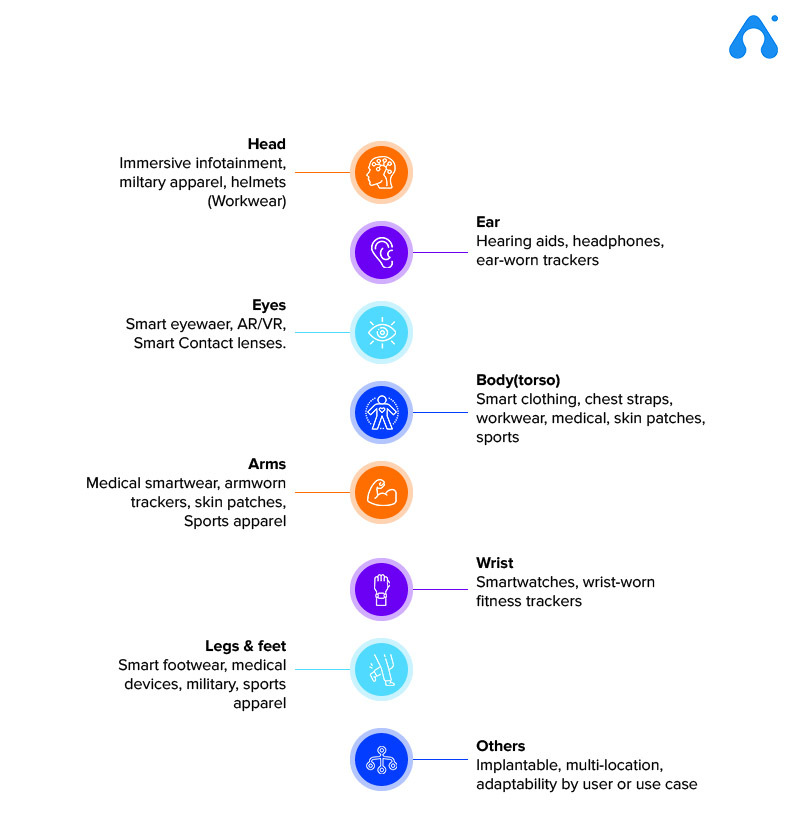
Credit: www.appventurez.com
Medical And Therapeutic Applications
Wearable technology has transformed medical and therapeutic fields by providing tools that support health monitoring and treatment outside traditional clinical settings. These devices offer continuous data collection and real-time feedback, empowering both patients and healthcare providers. Understanding their applications can help you see how wearable tech might improve your own health management.
Chronic Disease Management
Wearable devices help people manage chronic conditions like diabetes, heart disease, and asthma by tracking vital signs and symptoms daily. For example, glucose monitors allow diabetics to check blood sugar levels without frequent finger pricks, making disease control less intrusive.
These wearables can alert you to warning signs early, potentially preventing emergency situations. Wouldn’t having a device that warns you before a health issue escalate give you more peace of mind?
Remote Patient Monitoring
Remote patient monitoring lets healthcare providers keep an eye on patients from afar using wearable gadgets. This is especially useful for elderly patients or those living in remote areas, reducing the need for frequent hospital visits.
Devices can track heart rate, blood pressure, oxygen levels, and more, sending updates directly to doctors. Imagine how this continuous monitoring could catch problems sooner and save you from unexpected hospital stays.
Rehabilitation And Physical Therapy
Wearable technology supports rehabilitation by tracking movement and progress during physical therapy sessions. Sensors can measure your range of motion, muscle activity, and even provide feedback on your exercise form.
This objective data helps therapists tailor treatments to your needs and motivates you by showing real progress. Have you ever wished you could see exactly how well you’re recovering after an injury? Wearables can give you that insight.
Travel And Navigation
Travel and navigation become easier with wearable technology. These devices help users find routes, explore new places, and communicate effectively abroad. Wearables offer hands-free solutions that keep travelers safe and informed throughout their journeys.
Wearable Gps Devices
Wearable GPS devices provide real-time location tracking. They guide users through cities, hiking trails, or unfamiliar areas without needing a phone. These gadgets are compact and can be worn on the wrist or attached to clothing. They also offer features like route planning and distance tracking. Travelers can navigate confidently even in remote locations.
Smart Glasses For Directions
Smart glasses display directions directly in the user’s view. This hands-free tool helps travelers keep their eyes on the road or path. The glasses show arrows, maps, and landmarks to follow. They reduce the need to pull out a phone or map. Users stay safe and focused while moving through crowded streets or complex routes.
Translation And Travel Assistance
Wearables now include translation features to break language barriers. They can listen, translate, and speak foreign languages instantly. Travelers communicate better in restaurants, shops, and public places. Some devices also offer travel tips, weather updates, and emergency alerts. These assistances improve the overall travel experience and reduce stress abroad.

Credit: blog.stackademic.com
Future Trends In Wearable Tech
The future of wearable technology promises exciting changes. Devices will get smarter and more useful. They will blend into daily life, helping with health, work, and fun. Innovations will make wearables more accurate, secure, and eco-friendly. Here are key trends shaping this future.
Advancements In Ai Integration
Artificial intelligence will power smarter wearables. Devices will learn user habits and adapt automatically. AI will offer personalized advice for fitness and health. Voice and gesture controls will become more natural. Real-time data analysis will help predict health issues early.
Biometric Authentication
Security will improve with biometric methods. Wearables will use fingerprints, facial recognition, or heart patterns. This will protect personal data better than passwords. Quick and seamless access to devices will be possible. Biometric tech will also help with secure payments and identity verification.
Sustainability And Eco-friendly Wearables
Wearable makers will focus on green materials and energy use. Devices will use recycled parts and biodegradable materials. Solar-powered wearables will reduce battery waste. Longer-lasting batteries will cut down on replacements. Sustainable design will become a key selling point for buyers.
Frequently Asked Questions
What Is Wearable Technology Used For?
Wearable technology is used for health monitoring, fitness tracking, and enhancing communication. Devices like smartwatches track vital signs and activity levels. They also provide notifications and facilitate connectivity. Additionally, wearables improve safety in workplaces and assist in medical diagnostics. Their multifunctional nature makes them valuable in everyday life.
How Do Wearables Improve Health Management?
Wearables improve health management by monitoring vital signs like heart rate and sleep patterns. They provide real-time data, encouraging healthier lifestyle choices. These devices can alert users to irregularities, prompting timely medical consultations. With personalized feedback, users can set fitness goals and track progress, enhancing overall well-being.
Are Wearables Beneficial In Fitness Tracking?
Yes, wearables are beneficial in fitness tracking. They monitor physical activity, steps, and calories burned. Users can set fitness goals and receive feedback on progress. Wearables also offer motivation through reminders and achievements. By providing insights into workout effectiveness, they help users optimize their fitness routines.
How Do Smartwatches Enhance Communication?
Smartwatches enhance communication by providing notifications for calls, messages, and emails. They allow quick responses without needing a phone. Users can make calls and send texts directly from their wrists. With features like voice assistants, smartwatches offer hands-free convenience, keeping users connected effortlessly throughout the day.
Conclusion
Wearable technology helps us in many parts of daily life. It tracks health, keeps us safe, and makes work easier. People use it for fitness, medical care, and even communication. These devices fit well into busy routines. They help users stay connected and aware.
Wearables continue to grow and improve every day. They show how tech can support real-world needs. Simple tools with big benefits. A smart step forward for everyone.
Leave a Reply