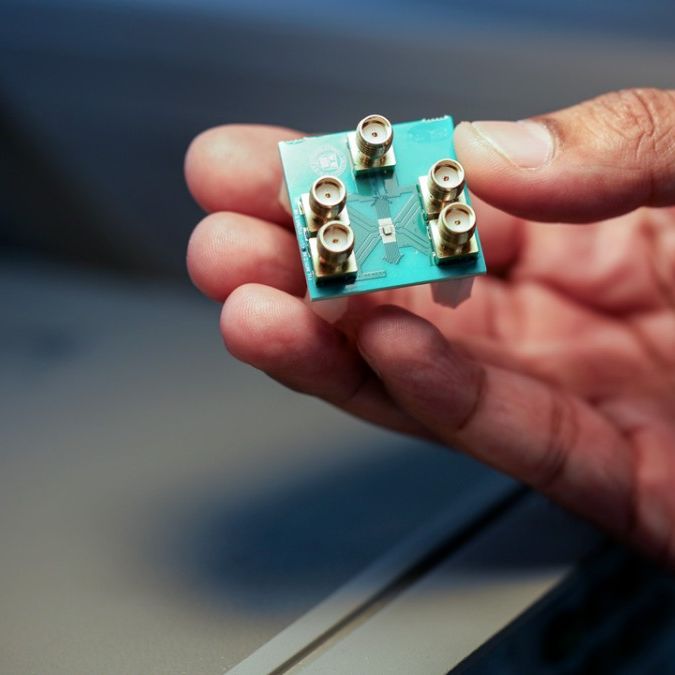
Have you ever wondered what amazing things you can create with microwave electronic components? These tiny parts hold the key to powerful devices that impact your daily life, from fast internet connections to advanced radar systems.
If you’re curious about how these components work and what projects you can build with them, you’re in the right place. Keep reading to discover practical ideas and exciting possibilities that could spark your next big invention. Your journey into the world of microwave electronics starts here!
Basics Of Microwave Electronic Components
Microwave electronic components form the foundation for devices that operate at microwave frequencies, typically ranging from 1 GHz to 100 GHz. Understanding these basics is crucial if you want to build or improve gadgets like radar systems, satellite communications, or even microwave ovens.
These components handle high-frequency signals and require special materials and designs to function efficiently. Knowing how they work can help you troubleshoot issues or even innovate new applications.
What Are Microwave Electronic Components?
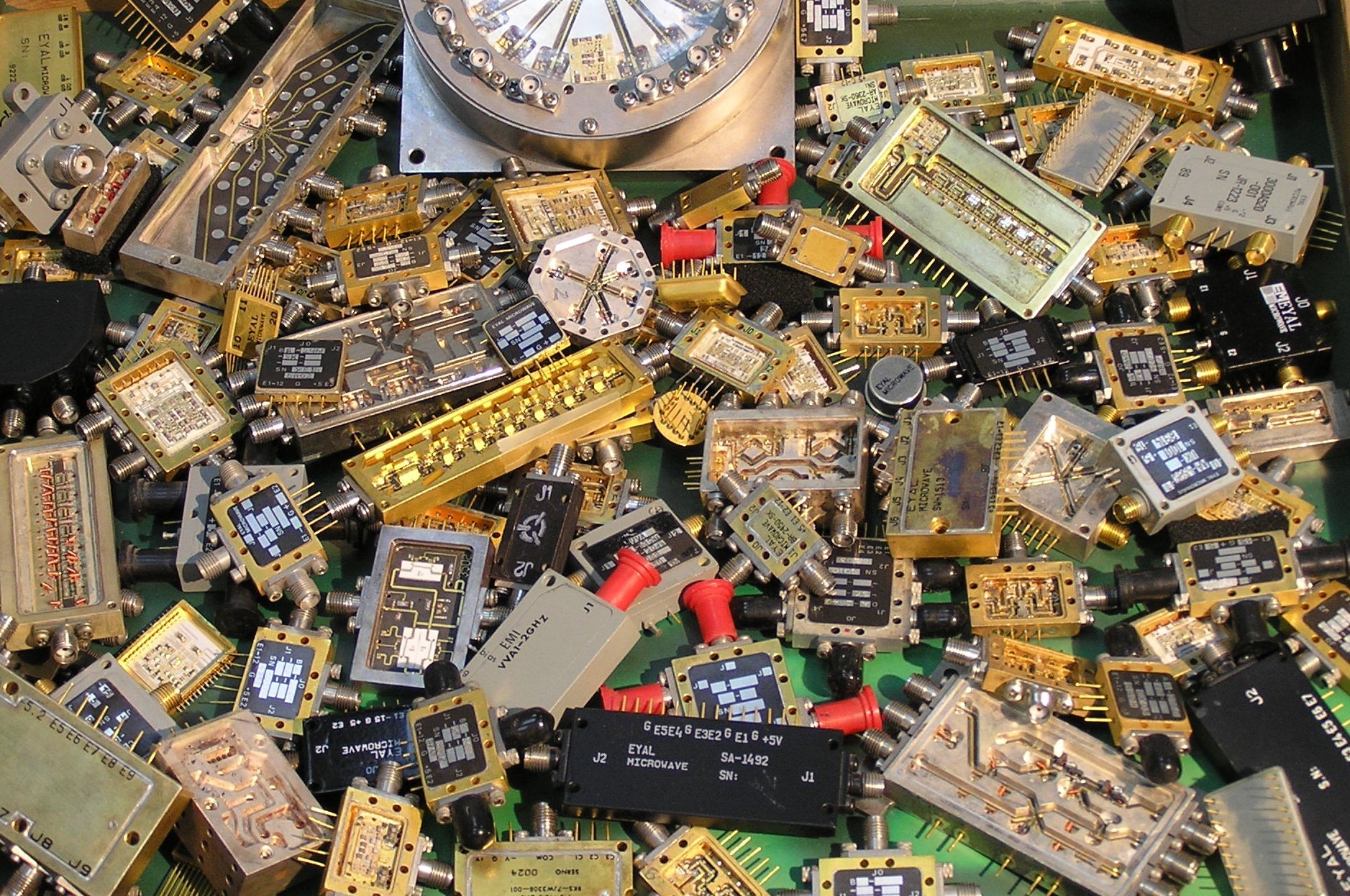
Microwave electronic components include devices like waveguides, antennas, amplifiers, and mixers. Each part plays a specific role in managing microwave signals, whether it’s guiding, amplifying, or converting frequencies.
Unlike low-frequency components, these need to minimize signal loss and interference. This makes their design and material choice more critical.
Common Types Of Microwave Components
- Waveguides:Hollow metal tubes that direct microwave signals with minimal loss.
- Microwave Amplifiers:Boost weak microwave signals to stronger levels.
- Mixers:Combine or change frequencies of microwave signals.
- Oscillators:Generate stable microwave frequency signals.
- Antennas:Transmit or receive microwave signals efficiently.
Knowing which component to use depends on your project’s purpose and frequency requirements.
Materials And Design Considerations
Microwave components often use materials like ceramics, quartz, and special metals to handle high frequencies. Their shape and size directly affect performance, so precision is key.
For example, the dimensions of a waveguide must match the wavelength of the microwave signal for efficient transmission. Have you considered how small changes in size could impact your component’s effectiveness?
Challenges In Working With Microwave Components
One major challenge is signal loss due to resistance and radiation. You’ll need to carefully select components and materials to minimize these losses.
Another challenge is heat management. High-frequency signals generate heat, which can degrade performance or damage components if not properly controlled.
Are you prepared to handle these challenges in your microwave projects?
Smart Cooking Devices
Smart cooking devices are changing how people prepare food at home. These devices use microwave electronic components to offer advanced features. They make cooking faster, easier, and more precise. Smart devices respond to commands, monitor food, and adjust settings automatically. This technology helps users save time and improve meal quality.
Automated Meal Prep Solutions
Automated meal prep devices use sensors and microwave components to handle cooking tasks. They can chop, mix, and cook ingredients without human help. These devices follow programmed recipes step-by-step. Users load ingredients, select a recipe, and start the process. The device controls temperature, time, and cooking power precisely. This reduces errors and saves effort in busy kitchens.
Precision Cooking Tools
Precision cooking tools use microwave technology to control heat accurately. They ensure food cooks evenly and reaches the right temperature. These tools can measure moisture, texture, and doneness during cooking. They adjust power levels instantly based on sensor feedback. This leads to better flavor and texture in meals. Precision cooking tools are ideal for delicate dishes and complex recipes.
Wireless Communication Innovations
Microwave electronic components play a key role in wireless communication. They enable faster and more reliable data transmission. Devices built with these parts improve how we connect and share information. Innovations in this field make wireless systems smarter and more efficient.
High-speed Data Transfer Gadgets
Microwave components help create gadgets that transfer data very fast. These include routers, modems, and wireless adapters. Such devices support streaming, video calls, and online gaming without delays. They use microwave signals to send large amounts of data quickly and accurately.
Enhanced Range Devices
Devices with microwave parts can cover larger areas. This means better signal strength in homes and offices. Examples include repeaters, signal boosters, and long-range Wi-Fi equipment. These devices help users stay connected even far from the source. They reduce dead zones and improve network stability.
Healthcare And Medical Applications
Microwave electronic components play a crucial role in healthcare and medical fields. They enable devices that improve patient care and provide accurate, timely information. These components help create tools that are both effective and easy to use, making healthcare more accessible.
Non-invasive Diagnostic Tools
Microwave technology powers many non-invasive diagnostic devices. These tools allow doctors to examine internal organs without surgery. For instance, microwave imaging can detect tumors by identifying differences in tissue properties.
Imagine a device that uses microwaves to scan your body painlessly and quickly. This technology reduces the need for painful biopsies or risky procedures. Have you ever wondered how doctors spot issues early without making you uncomfortable?
Microwave sensors also help in monitoring brain activity and heart function. This means less exposure to harmful radiation compared to traditional imaging methods. You get precise results while feeling safe and relaxed.
Portable Monitoring Devices
Microwave components are essential in portable medical monitors. These devices track vital signs such as heart rate and blood oxygen levels in real time. They are compact, lightweight, and easy to carry, making health tracking possible anywhere.
Think about managing a chronic condition with a small device you can wear all day. It sends data wirelessly to your doctor, so you get timely advice without frequent hospital visits. Wouldn’t that make managing your health less stressful?
These monitors also use microwave signals to improve wireless communication within hospitals. This ensures patient data is transferred quickly and securely. You benefit from faster responses and better care coordination.
Home Automation Solutions
Microwave electronic components play a key role in home automation solutions. These components help devices communicate and work efficiently. They enable smarter control over home appliances and systems. This leads to improved comfort and convenience in daily life.
Home automation powered by microwave electronics allows precise control of various systems. It helps save energy and connects multiple devices seamlessly. These features make homes more responsive and intelligent.
Energy Efficiency Systems
Microwave components support energy-saving technologies. Sensors detect occupancy and adjust lighting or heating automatically. This reduces unnecessary energy use and lowers utility bills.
Smart thermostats use microwave signals to monitor room temperature. They optimize heating and cooling based on real-time data. This ensures energy is not wasted on empty rooms.
Microwave communication enables quick feedback between devices. It helps coordinate energy use across different home systems. For example, lights dim when natural sunlight is sufficient.
Smart Home Connectivity
Microwave components enable reliable wireless connections in smart homes. They support fast data transmission between devices like cameras, locks, and alarms.
These components work well in crowded wireless environments. They reduce interference and maintain strong signals throughout the house.
With microwave-based connectivity, homeowners can control systems remotely. Apps allow easy management of security, lighting, and appliances from anywhere.

Credit: tech.yahoo.com
Entertainment And Media Enhancements
Microwave electronic components play a crucial role in enhancing your entertainment and media experiences. These tiny yet powerful parts help deliver clearer sound, faster streaming, and better connectivity. They are the silent heroes behind many devices you use daily for entertainment.
Immersive Audio Equipment
Microwave components enable audio devices to deliver rich, clear sound with minimal distortion. They help in processing high-frequency signals that improve the quality of speakers, headphones, and home theater systems.
Have you noticed how some wireless headphones maintain strong connections without drops? That’s often thanks to microwave electronics managing the signal efficiently. These components also reduce noise interference, making your music or movie soundtracks feel more immersive.
- Improve wireless range and clarity
- Enhance sound processing speed
- Support advanced noise-canceling features
Advanced Streaming Devices
Streaming devices rely heavily on microwave components to handle fast data transmission. They ensure you get smooth, buffer-free video and audio by managing signals at microwave frequencies.
Think about your last binge-watching session. The crisp video and uninterrupted streaming are partly due to these components working behind the scenes. They also help devices connect to Wi-Fi or cellular networks more reliably, so you stay entertained without frustrating pauses.
- Boost wireless signal strength for better coverage
- Enable faster data processing and reduced lag
- Support multiple device connections simultaneously
What entertainment upgrade could you imagine with even faster and clearer media delivery? Your next device might already be using microwave technology to get you there.
Security And Surveillance Technologies
Microwave electronic components play a vital role in modern security and surveillance technologies. These components enable devices to detect, monitor, and respond to security threats efficiently. Their high frequency and precision make them ideal for various applications in this field.
Advanced Motion Detection Systems
Microwave technology enhances motion detection systems by improving accuracy and range. These systems use microwave signals to detect even small movements. They work well in different lighting and weather conditions. Microwave sensors reduce false alarms caused by animals or environmental changes. This makes security systems more reliable and effective.
Remote Monitoring Tools
Microwave components help build remote monitoring tools that transmit data quickly and securely. These tools allow real-time surveillance from distant locations. They support wireless communication for cameras and sensors. This enables continuous monitoring without physical presence. Remote tools improve response times and help maintain safety in various areas.
Credit: www.kratosdefense.com
Wearable Technology
Wearable technology is reshaping how you interact with the world and your own body. Small, lightweight microwave electronic components play a key role in making these devices smarter and more efficient. These components allow wearables to communicate wirelessly, process data quickly, and maintain low power consumption, all while fitting comfortably on your wrist or even clothing.
Health And Fitness Trackers
Health and fitness trackers rely heavily on microwave electronic components to monitor your vital signs and activity levels accurately. These devices use sensors that send and receive signals, enabling real-time tracking of heart rate, sleep patterns, and movement.
Because of these components, your fitness tracker can transmit data wirelessly to your smartphone, giving you instant feedback. Have you ever wondered how your watch knows your heart rate without any wires? Microwave components make it possible by processing signals quickly and efficiently.
Additionally, these trackers often include features like GPS and Bluetooth, which also depend on microwave technology. This ensures you stay connected and informed during your workouts or daily routines without bulky hardware weighing you down.
Augmented Reality Devices
Augmented reality (AR) devices are becoming more compact and wearable thanks to microwave electronic components. These devices overlay digital information onto your real-world view, enhancing your experience in gaming, navigation, and even professional tasks.
Microwave components help AR glasses and headsets communicate with other devices wirelessly, ensuring smooth data transmission and low latency. This means the digital images you see align perfectly with your surroundings, making the experience seamless and immersive.
Think about how much more useful AR can be if it’s always with you, integrated into a lightweight pair of glasses. Microwave technology allows this by reducing the size and power needs of communication modules, making AR truly portable and practical for everyday use.
Environmental Monitoring Gadgets
Environmental monitoring gadgets are essential tools for tracking the health of our surroundings. Using microwave electronic components, these devices can detect subtle changes in the environment quickly and accurately. They help you stay informed about air quality and weather conditions, making it easier to take timely action.
Air Quality Sensors
Microwave components play a key role in air quality sensors by detecting gases and pollutants in the atmosphere. These sensors can measure things like carbon monoxide, nitrogen dioxide, and particulate matter with high precision. Imagine having a compact device at home that alerts you about harmful air, helping you protect your family’s health.
Many air quality sensors use microwave frequencies to improve sensitivity and reduce interference. This means they can provide real-time data even in busy urban areas. Have you ever wondered how your smartphone could one day tell you when it’s unsafe to open your windows?
Weather Prediction Devices
Microwave technology is crucial in weather prediction devices, especially in radar systems that track storms and rainfall. These devices send microwave signals into the atmosphere and analyze the reflected waves to understand weather patterns. This process helps meteorologists predict rain, storms, and other weather changes accurately.
Using microwave components allows weather gadgets to be compact and energy-efficient. You can even find portable weather stations that use this technology to give you precise, localized forecasts. Could having your own weather prediction device change how you plan your day or your outdoor activities?

Credit: www.youtube.com
Frequently Asked Questions
What Devices Use Microwave Electronic Components?
Microwave electronic components are used in radar systems, satellite communications, and wireless networks. They enable high-frequency signal processing and transmission. These components are essential for modern telecommunications and defense applications. Their precision improves signal clarity and reduces interference in various devices.
How Do Microwave Components Improve Wireless Communication?
Microwave components enhance wireless communication by enabling faster data transmission with low loss. They support high-frequency signals, increasing bandwidth and network capacity. This results in clearer calls, faster internet, and better overall connectivity. Their design minimizes noise and signal degradation, improving communication quality.
Can Microwave Components Be Used In Medical Equipment?
Yes, microwave components are used in medical devices like imaging systems and cancer treatment tools. They help in precise energy delivery and signal detection. These components improve diagnostics and therapeutic outcomes. Their reliability and accuracy make them vital in advanced medical technologies.
What Are Common Microwave Electronic Components?
Common components include waveguides, microwave transistors, mixers, and oscillators. Each plays a crucial role in generating, amplifying, or directing microwave signals. These parts are fundamental in radar, communication, and sensing technologies. Their quality directly affects system performance and efficiency.
Conclusion
Microwave electronic components build many useful devices today. They help create communication systems, radar equipment, and sensors. These parts improve speed and accuracy in technology. Engineers use them to design better wireless networks. Understanding their role helps appreciate modern gadgets around us.
Small parts, big impact. The future holds even more exciting uses for these components.
Leave a Reply