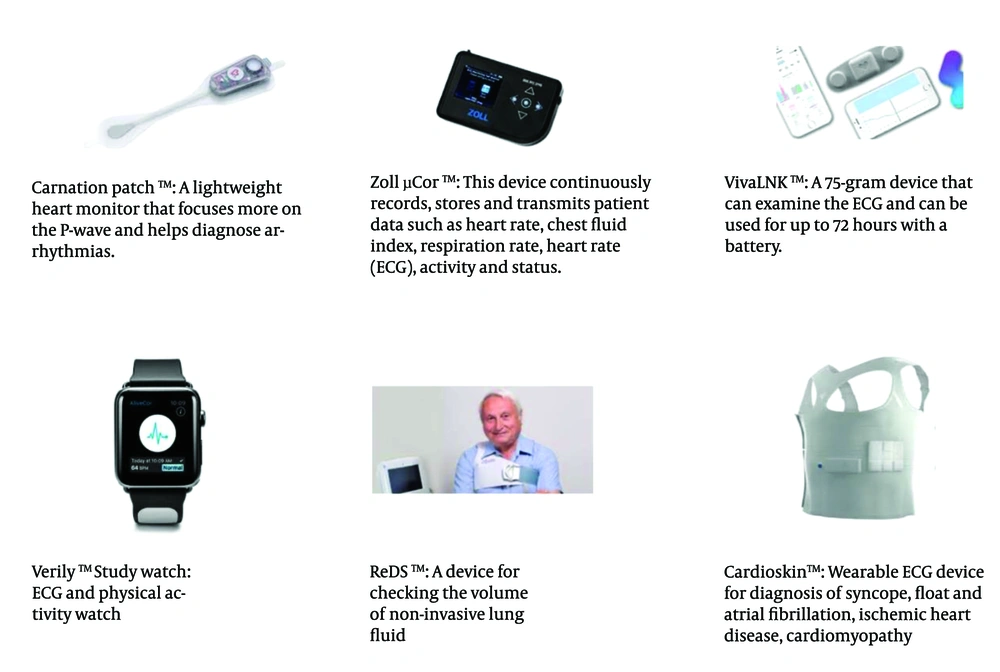
Have you ever wondered what your wearable device can really track? Beyond just counting steps, these gadgets can measure a surprising range of health and activity data that can change how you understand your body.
Imagine having instant insights into your heart rate, sleep quality, or even stress levels—right on your wrist. If you want to unlock the full potential of your wearable technology and see what it can reveal about your health and habits, keep reading.
This guide will show you exactly what these devices can measure and how that information can help you live better.
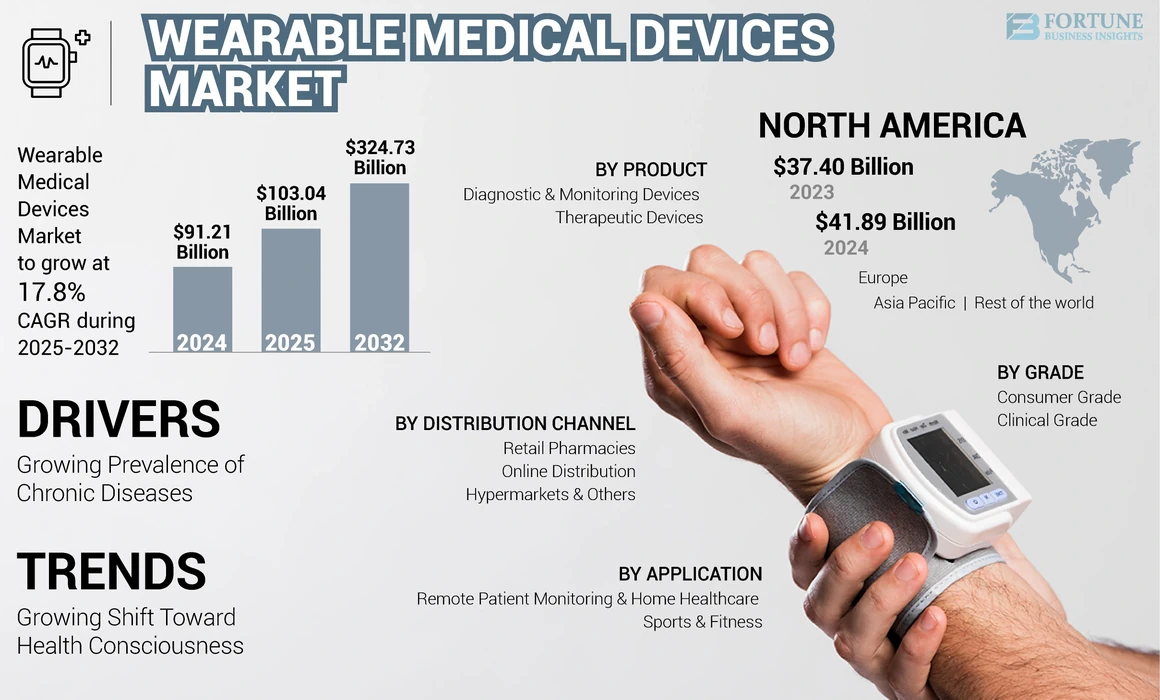
Credit: www.fortunebusinessinsights.com
Key Health Metrics
Wearable technology tracks a variety of key health metrics that help you understand your body better every day. These devices provide real-time data, making it easier to spot changes and adjust your habits accordingly. Knowing what these metrics mean for your health can guide you to make smarter decisions and improve your overall well-being.
Heart Rate Monitoring
Your heart rate reveals a lot about your fitness and stress levels. Wearables measure your pulse continuously, giving you insights into how your heart reacts during exercise, rest, or stressful moments. Have you noticed how your heart rate spikes during certain activities? Tracking this can help you adjust your workouts or relaxation techniques to stay in a healthy range.
Blood Oxygen Levels
Blood oxygen saturation shows how well oxygen travels through your body. Wearable sensors estimate this level to alert you if it drops below normal, which can indicate breathing problems or other health issues. If you’ve ever felt short of breath but weren’t sure why, this metric might give you a clearer picture of what’s happening.
Sleep Quality Tracking
Good sleep is crucial, yet many overlook its quality. Wearables analyze your sleep cycles, including deep, light, and REM stages, to show how restorative your rest truly is. Have you ever wondered if you’re really getting enough good sleep? This data can reveal patterns that help you improve your nightly routine for better energy.
Activity And Step Counting
Counting steps is a simple yet powerful way to measure daily movement. Wearables not only track steps but also record different activities like running, cycling, or swimming. Seeing your progress can motivate you to hit new goals or remind you to move more if you’ve been too sedentary. What small changes could you make to boost your daily activity?
Advanced Biometric Data
Wearable technology has moved far beyond simple step counting. Today, it tracks advanced biometric data that gives you a deeper understanding of your body’s inner workings. These devices provide real-time health insights that can help you make smarter choices every day.
Electrocardiogram (ecg) Features
Many modern wearables now include ECG sensors that record your heart’s electrical activity. This allows you to detect irregular heart rhythms and potential issues like atrial fibrillation early. Imagine catching a heart problem before it becomes serious—this data can empower you to seek timely medical advice.
Stress And Recovery Indicators
Wearables can measure stress levels by analyzing heart rate variability and other physiological signals. They also track how well your body recovers after workouts or stressful events. Knowing when to push harder or take a break can improve your overall well-being and prevent burnout.
Body Temperature Measurement
Tracking your body temperature continuously helps you notice subtle changes that might signal illness or hormonal shifts. This feature is especially useful during flu season or for managing chronic conditions. It’s like having a thermometer on your wrist, alerting you before symptoms appear.
Respiratory Rate Monitoring
Your breathing rate is a key indicator of fitness and health, and wearables can track this effortlessly throughout the day. Changes in respiratory rate can hint at respiratory infections, stress, or sleep disturbances. By monitoring this, you gain another layer of insight into your body’s current state.
Fitness And Performance Insights
Wearable technology gives you detailed insights into your fitness and performance. It tracks various metrics that help you understand how your body responds to exercise. These insights can guide your training and help you reach your goals more efficiently.
Calorie Burn Estimation
Wearables estimate how many calories you burn throughout the day and during workouts. They use heart rate, movement, and sometimes your personal info like age and weight to calculate this. Knowing your calorie burn can help you adjust your diet and exercise to meet weight or fitness targets.
Have you ever wondered if your workout really burns as many calories as you think? Seeing actual numbers can motivate you to push harder or rest more when needed.
Workout Intensity Analysis
These devices analyze how intense your workouts are by tracking heart rate zones and duration. You can see when you’re in a fat-burning zone versus a cardio or peak zone. This helps you balance your sessions and avoid overtraining.
Tracking intensity can also reveal if you’re improving or plateauing. Are you challenging yourself enough to grow stronger?
Vo2 Max And Fitness Levels
VO2 max measures how well your body uses oxygen during exercise. Many wearables estimate this to give you a snapshot of your cardiovascular fitness. A higher VO2 max usually means better endurance and overall health.
Seeing your fitness level numerically can be eye-opening. It pushes you to maintain or improve your aerobic capacity through targeted workouts.
Gps And Movement Tracking
GPS tracking records your routes, distance, and pace during outdoor activities like running or cycling. This data helps you analyze your performance and plan future workouts. It also keeps you safe by letting others know your location in real-time.
Have you checked how your pace changes on different terrains or times of day? This insight can help you find your best conditions for training.
Chronic Condition Management
Wearable technology plays a crucial role in managing chronic health conditions. These devices help track vital signs continuously. They provide data that supports better health decisions. Patients gain more control over their conditions. Caregivers and doctors get timely updates. This technology reduces the need for frequent clinic visits. It also helps in early detection of health issues.
Diabetes Monitoring Tools
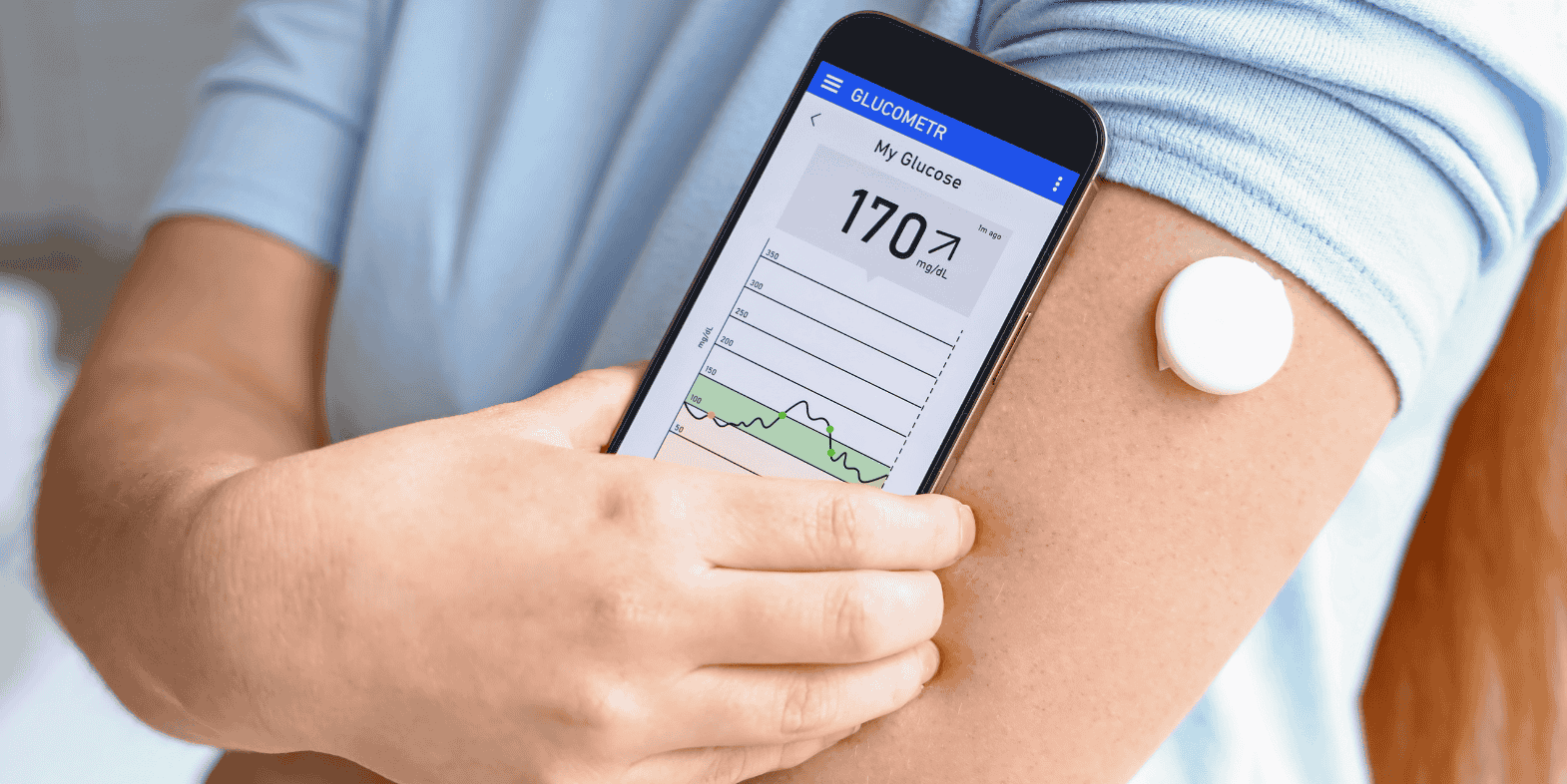
Wearables measure glucose levels regularly without finger pricks. Continuous glucose monitors (CGMs) send real-time data to smartphones. Users can see trends and adjust their diet or insulin. Alerts notify users of high or low blood sugar. This constant monitoring helps prevent dangerous sugar swings. It improves overall diabetes management and quality of life.
Hypertension Tracking
Wearable devices track blood pressure throughout the day. They use sensors to measure pulse waves or cuff-based methods. Regular monitoring helps detect spikes or drops early. Users can record lifestyle factors affecting blood pressure. This data aids doctors in adjusting treatments promptly. It supports keeping blood pressure within a safe range.
Sleep Apnea Detection
Wearables monitor breathing patterns and oxygen levels during sleep. They identify pauses in breathing or irregular breathing rates. Early detection of sleep apnea can prevent serious health issues. Users receive reports showing sleep quality and disturbances. This information helps doctors diagnose and recommend treatments.
Remote Patient Monitoring
Wearable devices enable remote tracking of various health metrics. Vital signs, activity levels, and medication adherence are monitored. Data is sent directly to healthcare providers. This allows for timely interventions without hospital visits. Remote monitoring enhances patient safety and convenience. It supports ongoing care and reduces healthcare costs.
Emerging Wearable Sensors
Wearable technology is advancing fast, and new sensors are changing what you can track daily. These emerging sensors go beyond simple steps or heart rate, offering insights into deeper aspects of your health and wellbeing. Understanding what these sensors measure can help you make smarter choices about your lifestyle and health.
Non-invasive Glucose Monitoring
Managing blood sugar levels used to mean finger pricks and discomfort. Now, some wearables use sensors that read glucose through your skin without needles. This tech helps people with diabetes stay on top of their glucose levels more easily and continuously.
Imagine checking your glucose anytime, anywhere, without carrying extra devices. Such sensors use light or sweat analysis to provide real-time data, helping you avoid highs and lows. Wouldn’t that kind of convenience change your daily routine?
Hydration And Electrolyte Levels
Hydration affects your energy, focus, and overall health, yet it’s hard to know exactly when you need water. New sensors track hydration status by analyzing sweat or skin conductivity. They also detect electrolyte imbalances that impact muscle function and recovery.
If you’re active or live in a hot climate, this data helps you stay balanced. You can adjust your water and salt intake before feeling thirsty or tired. How often have you ignored thirst only to regret it later?
Mental Health And Mood Tracking
Your mood and mental health are just as important as physical health, but they’re harder to measure. Emerging wearables monitor physiological signals like heart rate variability, skin temperature, and even voice tone to assess stress and mood changes.
These insights help you recognize triggers and manage stress proactively. Imagine catching a dip in your mood early enough to take a break or practice mindfulness. Would tracking your mental state daily change how you handle stress?
Wearables And Ai Integration
AI is making wearable sensors smarter by analyzing complex data patterns quickly. This integration personalizes your health insights, offering tailored advice based on your unique body signals. AI can predict potential issues before symptoms appear.
For instance, some wearables use AI to detect irregular heartbeats or predict sleep quality. This means you get actionable alerts, not just raw numbers. How would having a personal health assistant on your wrist affect your confidence in managing your health?

Credit: blog.stackademic.com
Data Privacy And Accuracy
Wearable technology offers incredible insights into your health and lifestyle, but the value of this data depends heavily on its privacy and accuracy. You might wonder how trustworthy the numbers on your device really are and whether your personal information is safe. These concerns are crucial because inaccurate data can mislead decisions, and data breaches can expose sensitive details.
Limitations Of Wearable Data
Wearable devices often face challenges in capturing perfect data. Sensors can miss subtle changes or give false readings due to movement or environmental factors. For example, a heart rate monitor might struggle during intense exercise or irregular wrist placement.
Understanding these limits helps you avoid making critical health choices based solely on raw numbers. You should consider wearable data as a helpful guide rather than a definitive diagnosis.
Ensuring Data Security
Your data is only useful if it stays private and secure. Many wearables connect to apps and cloud services, increasing the risk of hacking or unauthorized access. You can protect yourself by using strong, unique passwords and enabling two-factor authentication whenever possible.
Manufacturers also play a role—they must implement encryption and regular security updates. Ask yourself: do I trust the company behind my device with my most personal data?
Improving Sensor Precision
Advances in technology continuously improve sensor accuracy. Companies now use multiple sensors and smart algorithms to filter out noise and provide more reliable data. Some wearables combine GPS, accelerometers, and optical sensors to better track your activity and vitals.
You can help improve accuracy by wearing your device correctly and keeping it clean. Have you noticed better readings after adjusting your watch position or tightening the strap?
User Compliance And Data Quality
The quality of wearable data depends largely on how consistently and correctly you use the device. Skipping days, wearing it loosely, or ignoring calibration instructions can all degrade the data’s reliability. Your active participation makes a big difference in getting meaningful insights.
Think about your habits: are you treating your wearable as a daily companion or just an occasional gadget? Consistency can turn raw numbers into powerful tools for understanding your health.
Credit: www.zoho.com
Frequently Asked Questions
What Is Wearable Technology Used For?
Wearable technology is used to monitor health, fitness, and daily activities. It measures metrics like heart rate, steps, and calories burned. These devices can also track sleep patterns and provide notifications. Wearable technology aims to improve personal health and convenience by offering real-time data and insights.
How Do Wearables Track Heart Rate?
Wearables use optical sensors to measure heart rate. These sensors detect blood flow changes beneath the skin. The data collected is processed to provide accurate heart rate readings. This allows users to monitor their cardiovascular health and adjust their fitness routines accordingly.
Can Wearables Measure Blood Oxygen Levels?
Yes, many wearables can measure blood oxygen levels. They use pulse oximetry to estimate SpO2 levels. This feature is beneficial for monitoring respiratory health and detecting potential issues early. It’s especially useful for athletes and individuals with respiratory conditions.
What Sleep Metrics Do Wearables Track?
Wearables track various sleep metrics, including duration, quality, and stages. They monitor movements and heart rate to determine sleep patterns. This data helps users understand their sleep habits and improve sleep quality over time. It provides insights into REM and deep sleep cycles.
Conclusion
Wearable technology tracks many health and activity signs. It measures heart rate, steps, sleep, and calories burned. Some devices monitor stress levels and blood oxygen. This data helps people understand their bodies better. It supports healthier habits and daily routines.
These tools grow smarter and more helpful each year. Wearables give useful insights without needing much effort. They fit easily into busy lives. Keeping track of health becomes simple and clear. Wearable tech helps users stay aware and active. A small device can make a big difference.
Leave a Reply