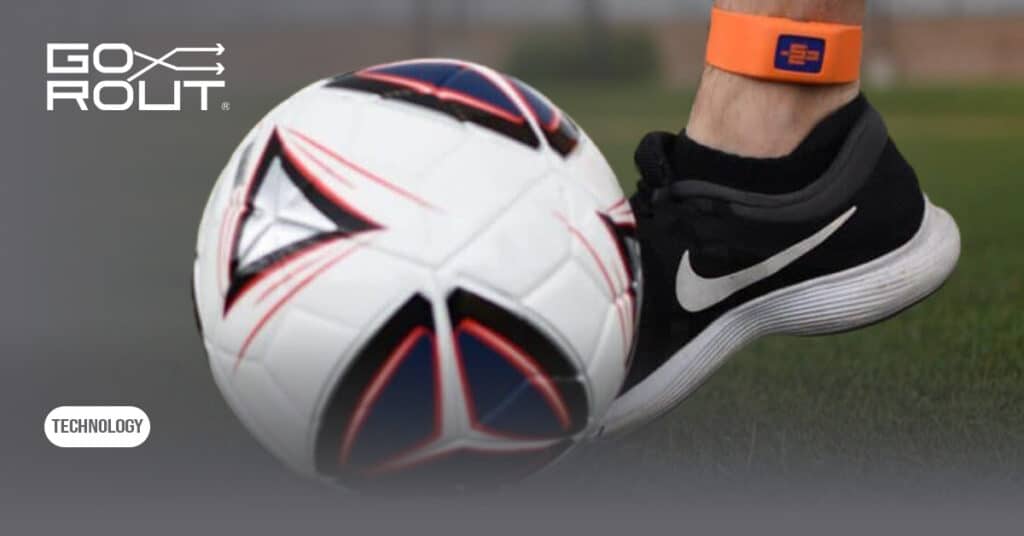
Have you ever wondered how athletes push their limits and stay ahead of the competition? The secret often lies in wearable technology.
These smart devices do more than just track your steps—they give you real-time insights into performance, health, and recovery. Imagine having the power to improve your game, avoid injuries, and train smarter with data right at your fingertips. You’ll discover why wearable technology is changing the way sports are played and how it can make a difference in your own athletic journey.
Keep reading to unlock the game-changing benefits that could elevate your performance like never before.

Credit: www.folio3.ai
Enhancing Athlete Performance
Wearable technology has changed the way athletes train and compete. It provides tools that help improve performance by giving instant feedback and detailed insights. You can better understand your strengths and weaknesses, which helps you push your limits safely and effectively.
Real-time Data Tracking
Wearables collect data like heart rate, speed, and distance as you train or compete. This real-time information helps you adjust your effort immediately. Imagine noticing your heart rate climbing too high during a run and slowing down before exhaustion sets in.
Coaches can also use this data to make quick decisions during games or workouts. You get a clear picture of how your body responds to different conditions. This instant feedback makes your training smarter, not just harder.
Personalized Training Plans
No two athletes are the same. Wearable devices analyze your unique data to create training plans tailored just for you. These plans focus on improving your specific weaknesses while maximizing your strengths.
Instead of following generic workouts, you get exercises and schedules that match your current fitness level and goals. This personalized approach keeps you motivated and helps you see progress faster.
Injury Prevention And Recovery
Wearable technology tracks patterns that might lead to injury, such as uneven stride or overexertion. By catching these early signs, you can adjust your training to avoid setbacks. Have you ever pushed yourself too hard and ended up sidelined for weeks?
During recovery, these devices monitor your healing progress and ensure you don’t return to activity too soon. This careful tracking supports safer rehabilitation and helps you get back to your best shape quicker.
Boosting Team Strategy
Wearable technology plays a key role in boosting team strategy in sports. It gives coaches and players real-time data. This data helps to make smart decisions and adapt quickly during matches. Teams can study patterns, improve tactics, and communicate better using this tech.
Analyzing Opponent Patterns
Wearables collect data on opponents’ movements and plays. Teams use this data to identify common strategies and weaknesses. Understanding opponent patterns helps teams prepare better defenses and attacks. It gives players an edge by anticipating the other team’s actions.
Optimizing Game Tactics
Wearable devices track players’ speed, stamina, and positioning. Coaches use this information to change tactics during games. Adjusting player roles and formations improves overall team performance. This optimization helps teams stay competitive and respond to challenges effectively.
Improving Communication
Wearables can provide instant feedback to players on the field. This helps teammates coordinate moves and support each other. Better communication reduces errors and increases teamwork. It keeps the team connected and focused on their goals.
Advancing Fan Engagement
Wearable technology is reshaping how you experience sports beyond just watching the game. It brings you closer to the action and makes your connection with athletes more personal and interactive. By advancing fan engagement, wearables change your role from a passive observer to an active participant in sports entertainment.
Interactive Viewing Experiences
Wearables enable you to interact with live games in ways that were impossible before. Imagine getting real-time stats, replays, and player insights right on your smartwatch or smartphone while watching a match. This interactive layer keeps you engaged and lets you explore the game at your own pace.
Some stadiums now use wearable tech to offer fans personalized camera angles or instant polls during events. Have you ever thought about how much more exciting a game would be if you could choose your own viewpoint or predict player moves live?
Access To Player Metrics
Wearable devices track players’ heart rates, speeds, and distances covered during games. This data is often shared with fans in real time, giving you a deeper understanding of athletes’ performance and endurance. It’s like having a backstage pass to the player’s physical state.
Knowing these details changes how you appreciate the effort behind every play. Next time you watch a player sprint or make a crucial pass, consider the data that shows just how intense that moment really was.
Virtual And Augmented Reality Integration
Wearable technology works hand-in-hand with virtual and augmented reality to create immersive fan experiences. VR headsets combined with wearables let you feel like you’re on the field or court, not just sitting in the stands. AR apps can overlay player stats or game info directly onto your device’s screen as you watch live sports.
This tech makes you part of the game environment, heightening excitement and engagement. Have you tried a VR sports game that made you feel the adrenaline rush of a real match?
Innovations In Wearable Devices
Wearable technology in sports is evolving fast, bringing fresh innovations that change how athletes train and perform. These devices go beyond simple tracking—they provide real-time data and insights that can be game-changers. Understanding these innovations helps you see how technology directly impacts athletic performance and recovery.
Smart Clothing And Accessories
Smart clothing is no longer just a concept. Fabrics embedded with sensors now monitor your heart rate, muscle activity, and even hydration levels during workouts. Imagine wearing a shirt that tells you when your muscles are tired or your body temperature is rising.
Accessories like smartwatches and fitness bands have also advanced. They track GPS, sleep quality, and stress levels, giving you a full picture of your physical state. These tools help you make smarter decisions about rest and training intensity.
Biometric Sensors
Biometric sensors have become more accurate and compact. They measure vital signs such as oxygen levels, blood pressure, and muscle fatigue with precision. This data can prevent injuries by alerting you before overexertion happens.
Some sensors can even detect subtle changes in your body that indicate early signs of illness or dehydration. Wouldn’t it be valuable to know your body’s limits before pushing too far?
Ai And Machine Learning Applications
AI and machine learning analyze the massive amounts of data collected by wearable devices. These technologies identify patterns and predict outcomes like injury risks or performance plateaus. They help coaches and athletes tailor training plans more effectively.
For example, AI can suggest recovery techniques based on your sleep and activity data, optimizing your performance cycle. How much more could you achieve if your training adapted in real time to your body’s needs?
Challenges And Future Trends
Wearable technology in sports is evolving fast, but it comes with its own set of challenges. Understanding these issues helps you make better decisions about which devices to trust and how to use them effectively. At the same time, new trends are shaping the future, promising smarter and more integrated sportswear.
Data Privacy Concerns
Your personal data is incredibly valuable, and wearable sports devices collect a lot of it. This raises questions about who has access to your information and how securely it is stored. Athletes and casual users alike must ask: how can I protect my privacy while benefiting from these technologies?
Some brands have started offering better privacy controls, but not all devices are transparent about their data policies. It’s smart to read terms carefully and choose products that prioritize your security. Have you checked how your device handles your data?
Device Accuracy And Reliability
Accuracy is crucial in sports technology because your performance depends on the data. However, many wearables still struggle with consistent precision, especially during intense activities. Imagine training hard based on faulty heart rate readings—would you trust your progress?
Reliability can vary due to sensor quality, device placement, or environmental factors like sweat and movement. You should test devices in real conditions and compare their readings before fully relying on them. What’s your experience with the accuracy of your wearable gear?
Emerging Technologies In Sportswear
The future of wearable sports tech is bright with innovations like smart fabrics, AI-driven coaching, and enhanced biometric sensors. These advances aim to make devices lighter, more comfortable, and smarter at providing personalized insights. Are you ready to wear clothes that track your muscle fatigue or predict injury risks?
Companies are experimenting with embedded sensors that blend seamlessly into your gear, allowing you to focus more on performance than on gadgets. Staying updated on these trends can give you an edge in your training and recovery routines.
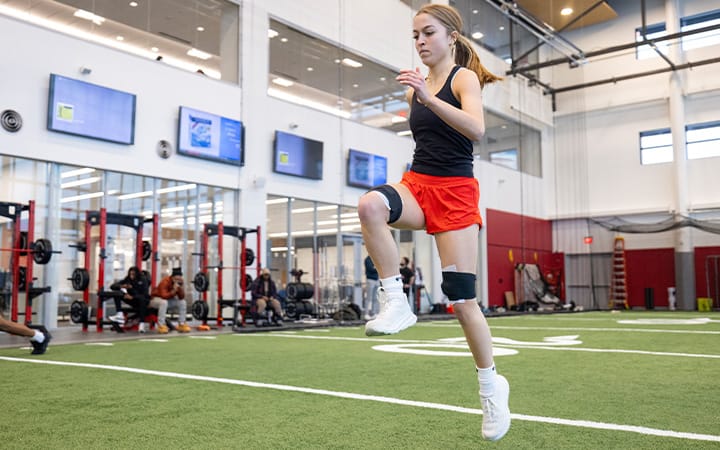
Credit: www.uhhospitals.org

Credit: www.happiestminds.com
Frequently Asked Questions
What Is Wearable Technology In Sports?
Wearable technology in sports refers to devices worn by athletes to monitor performance and health metrics. These gadgets include smartwatches, fitness trackers, and GPS devices. They provide real-time data, helping athletes optimize their training. Coaches use this data to make informed decisions, enhancing performance and reducing injury risks.
How Does Wearable Tech Enhance Athletic Performance?
Wearable tech provides athletes with crucial data on their performance. It tracks metrics like heart rate, speed, and distance. This helps athletes understand their physical limits and areas for improvement. By analyzing the data, athletes can adjust their training plans, leading to enhanced performance and better results.
Can Wearable Technology Prevent Sports Injuries?
Yes, wearable technology can help prevent sports injuries. It monitors vital signs and biomechanics, alerting athletes to potential issues. By identifying early warning signs, athletes can make necessary adjustments. This proactive approach reduces the risk of injuries, ensuring athletes maintain their health and stay in peak condition.
How Do Coaches Use Wearable Tech Data?
Coaches use wearable tech data to develop personalized training programs. The data provides insights into an athlete’s performance and recovery. This helps coaches identify strengths and weaknesses. By tailoring training sessions based on this information, coaches can optimize performance and ensure athletes reach their full potential.
Conclusion
Wearable technology helps athletes track their progress every day. It gives real-time data to improve skills and avoid injuries. Coaches use this information to create better training plans. Fans enjoy closer connections to their favorite players too. Sports are becoming smarter and safer with these tools.
The future of sports depends on smart, wearable devices. They help everyone perform at their best. Simple, effective, and useful—wearables are here to stay.
Leave a Reply