Have you ever wondered what makes those smartwatches and fitness bands so popular? Wearable technology is more than just gadgets—it’s a powerful way to connect with your health, stay organized, and even boost your daily productivity.
Imagine having tools that fit right on your wrist or clip onto your clothes, working quietly to make your life easier and smarter. Curious to know how these devices really work and why they might be perfect for you? Keep reading, and you’ll discover everything you need to understand wearable technology and how it can change the way you live.
Credit: www.bgosoftware.com
Wearable Tech Basics
Wearable technology refers to electronic devices worn on the body. These devices connect to the internet or other gadgets. They collect data and provide useful information instantly. Wearables help track health, fitness, and daily activities. They also offer convenience and new ways to interact with technology.
Key Features
- Compact and lightweight design for easy wearing
- Wireless connectivity such as Bluetooth or Wi-Fi
- Real-time data collection and monitoring
- Long battery life to support daily use
- Integration with smartphones and apps
- Sensors to measure movement, heart rate, or environment
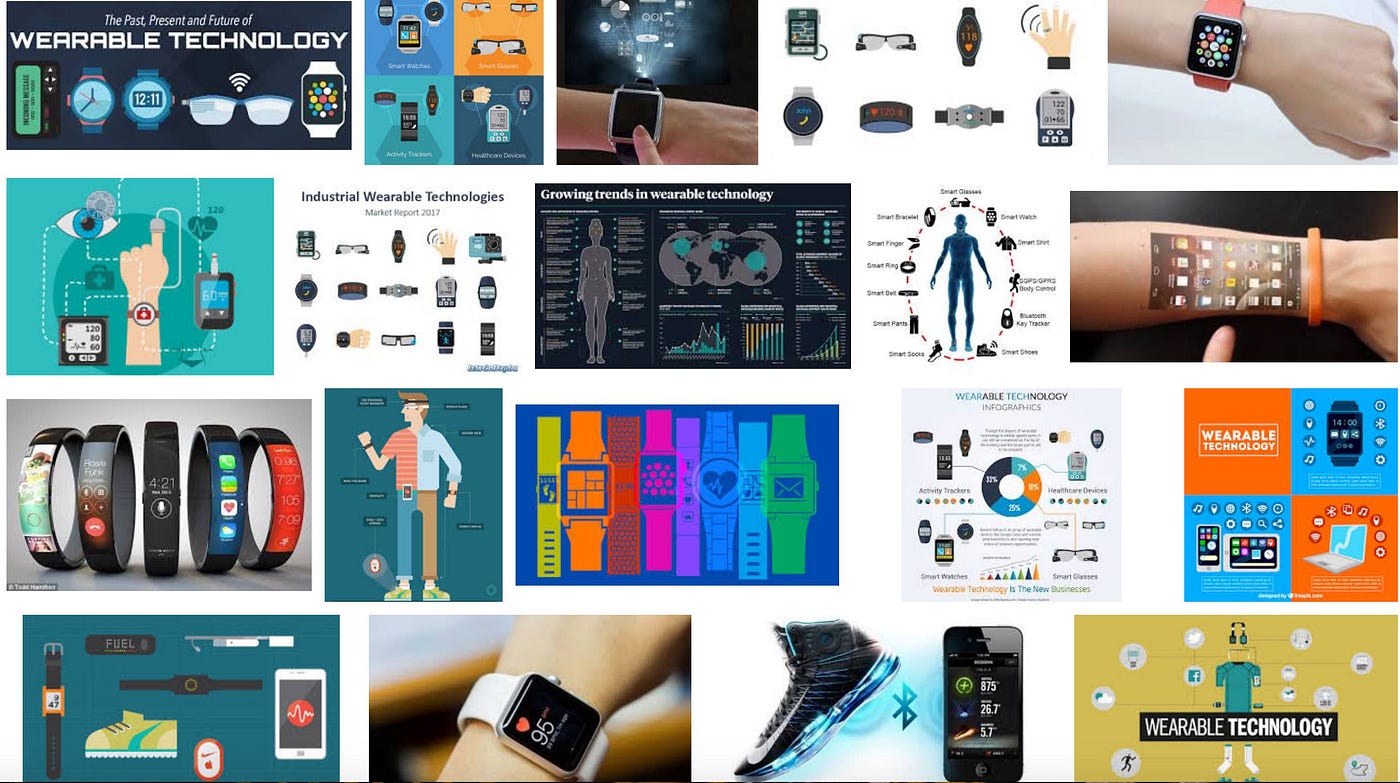
Common Devices
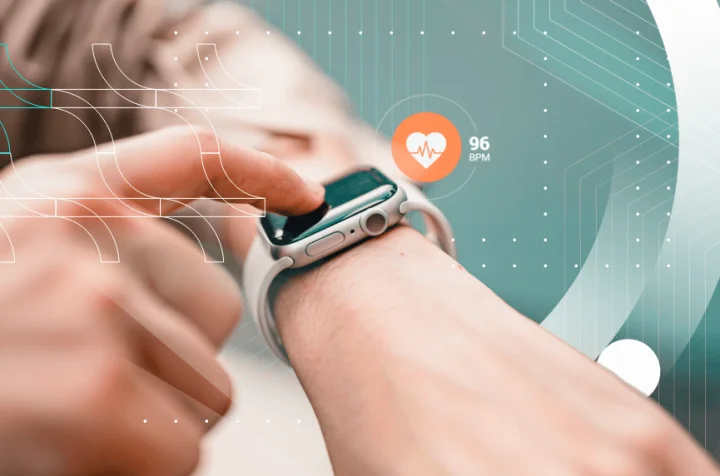
- Smartwatches that track time and health data
- Fitness bands measuring steps and calories
- Smart glasses offering hands-free displays
- Wearable cameras capturing photos and videos
- Health monitors for tracking vital signs
- Virtual reality headsets for immersive experiences

Credit: medium.com
Evolution Of Wearables
Wearable technology has changed a lot over time. It started with simple devices and grew into smart gadgets we use today. The evolution shows how technology became smaller, smarter, and more helpful. This journey helps us understand how wearables fit into daily life now.
Early Innovations
The first wearable devices were basic and focused on health. People used simple tools like pedometers to count steps. Wristwatches with calculators also appeared in the 1980s.
These gadgets helped users track small tasks. They were not connected to the internet or other devices. Early wearables focused on convenience and small functions.
Recent Breakthroughs
Modern wearables are much smarter and more connected. Devices now track heart rate, sleep, and even stress levels. Many wearables connect to smartphones for easy data sharing.
New materials and sensors make devices lighter and more comfortable. Voice control and touchscreens add to their ease of use. Some wearables even support fitness coaching and medical alerts.
Types Of Wearable Devices
Wearable technology comes in many forms. These devices make daily tasks easier and help track personal data. They fit comfortably on the body and connect to other gadgets. The main types of wearable devices include fitness trackers, smartwatches, health monitors, and smart clothing.
Fitness Trackers
Fitness trackers measure physical activity and exercise. They count steps, monitor heart rate, and track calories burned. Many also record sleep patterns. These devices motivate users to stay active and healthy. They often sync with smartphones for detailed reports.
Smartwatches
Smartwatches offer more than just timekeeping. They show notifications, messages, and calls from a connected phone. Users can control music and access apps. Many models include fitness tracking features. Smartwatches blend convenience with technology on your wrist.
Health Monitors
Health monitors focus on specific medical data. They track vital signs like blood pressure and oxygen levels. Some devices alert users to health issues early. These wearables support better management of chronic conditions. They offer peace of mind through constant monitoring.
Smart Clothing
Smart clothing integrates sensors into fabric. These clothes can track body temperature and muscle activity. Athletes use smart clothing for performance insights. Some designs improve posture and reduce injury risk. This wearable tech blends comfort with advanced data collection.
Core Technologies Behind Wearables
Understanding the core technologies behind wearable devices helps you see how these gadgets fit seamlessly into your daily life. Wearables rely on a blend of advanced components working together to monitor your health, keep you connected, and operate efficiently without constant charging. Let’s break down the essential elements that make these devices tick.
Sensors And Trackers
Sensors are the heart of any wearable device. They collect data about your body and environment, like heart rate, steps taken, or even skin temperature.
Common sensors include accelerometers, gyroscopes, and optical sensors. These work together to track your movements and vital signs accurately.
Have you noticed how your fitness tracker alerts you when your heart rate spikes? That’s the sensors working in real time to keep you informed.
Connectivity Options
Wearables need to communicate with other devices to be truly useful. This happens through various connectivity options such as Bluetooth, Wi-Fi, and sometimes cellular networks.
Bluetooth is popular for pairing with smartphones, allowing data transfer without draining your battery fast. Wi-Fi enables direct internet access, useful when you want updates or notifications without your phone nearby.
Consider how your smartwatch syncs notifications instantly—this smooth communication depends on reliable connectivity technology.
Power Sources
Powering wearables efficiently is a constant challenge. Most use rechargeable lithium-ion batteries that balance size and capacity.
Battery life varies widely, with some devices lasting a day, while others stretch to weeks. Innovations like solar charging and kinetic energy harvesting are starting to appear, offering new ways to keep devices running longer.
Next time you charge your wearable, think about the technology inside that keeps it powered and ready to assist you throughout the day.
Applications In Daily Life
Wearable technology blends seamlessly into everyday routines. It helps track, improve, and entertain without interrupting your day. These devices come in various forms, designed to enhance how people live and work.
Health And Fitness
Wearables monitor heart rate, steps, and sleep quality. They encourage healthier habits by tracking activity levels. Users receive real-time feedback to stay motivated and reach goals. Some devices alert about irregular health signals. This early warning can prompt timely medical attention.
Workplace Efficiency
Wearable tech boosts productivity by simplifying tasks. Smart glasses show important information without needing a phone. Workers can access data hands-free while staying focused. Devices track time and monitor safety in hazardous environments. This helps reduce errors and improve job performance.
Entertainment And Gaming
Wearables create immersive gaming experiences with motion sensors. Players enjoy more natural and interactive controls. Headsets deliver high-quality sound and visuals for virtual reality. These devices let users escape into new worlds easily. Wearable technology keeps entertainment engaging and accessible.
Impact On Healthcare
Wearable technology is reshaping healthcare by making medical care more accessible and efficient. These devices help track health data in real time, providing valuable insights. Patients and doctors benefit from constant monitoring outside hospitals. This technology supports better decision-making and improves patient outcomes.
Remote Monitoring
Wearables allow continuous tracking of vital signs like heart rate and blood pressure. Doctors receive data remotely, reducing the need for frequent hospital visits. Early detection of health issues becomes possible, leading to faster treatment. Patients feel safer knowing their health is constantly observed.
Chronic Disease Management
People with chronic illnesses use wearables to manage their conditions daily. Devices remind users to take medicine and track symptoms automatically. This consistent monitoring helps avoid complications and emergency visits. Patients gain more control over their health and lifestyle.
Personalized Medicine
Wearable data enables doctors to tailor treatments to each patient’s needs. Understanding individual health patterns leads to more effective therapies. This approach reduces side effects and improves recovery times. Medicine becomes more precise, focusing on the person, not just the disease.
Challenges And Limitations
Wearable technology offers many benefits but also faces several challenges. These issues affect how people use devices and how well they perform. Understanding these limits helps users make better choices and sets realistic expectations.
Privacy Concerns
Wearable devices collect personal data like location, health, and habits. This raises worries about who can see this information. Users fear their data might be shared without permission. Companies must protect data with strong security. Clear privacy policies are essential to build trust.
Battery Life
Many wearables need frequent charging. Short battery life can disrupt daily use. Users want devices that last all day or longer. Improving battery technology remains a key focus for makers. Efficient power use is vital to keep devices running.
Data Accuracy
Wearables rely on sensors to track health and activity. Sometimes, these sensors give wrong or inconsistent data. Inaccurate results can confuse users or lead to wrong decisions. Better sensor technology and software updates help improve accuracy over time.
Credit: medium.com
Future Trends In Wearable Tech
The future of wearable technology holds exciting possibilities. Devices will become smarter, faster, and more connected. Advances in technology will make wearables more useful in daily life. Here are some key trends shaping the future of this tech.
Ai Integration
Artificial intelligence will play a bigger role in wearables. Devices will learn user habits and provide personalized feedback. AI will help track health with better accuracy. Smart assistants will become more responsive and intuitive. This will make wearables more helpful for fitness and wellness.
Enhanced Connectivity
Wearables will connect seamlessly with other devices and networks. 5G and beyond will allow faster data transfer. Real-time communication will improve user experience. Syncing with smart homes and cars will be easier. Constant connectivity will enable instant updates and alerts.
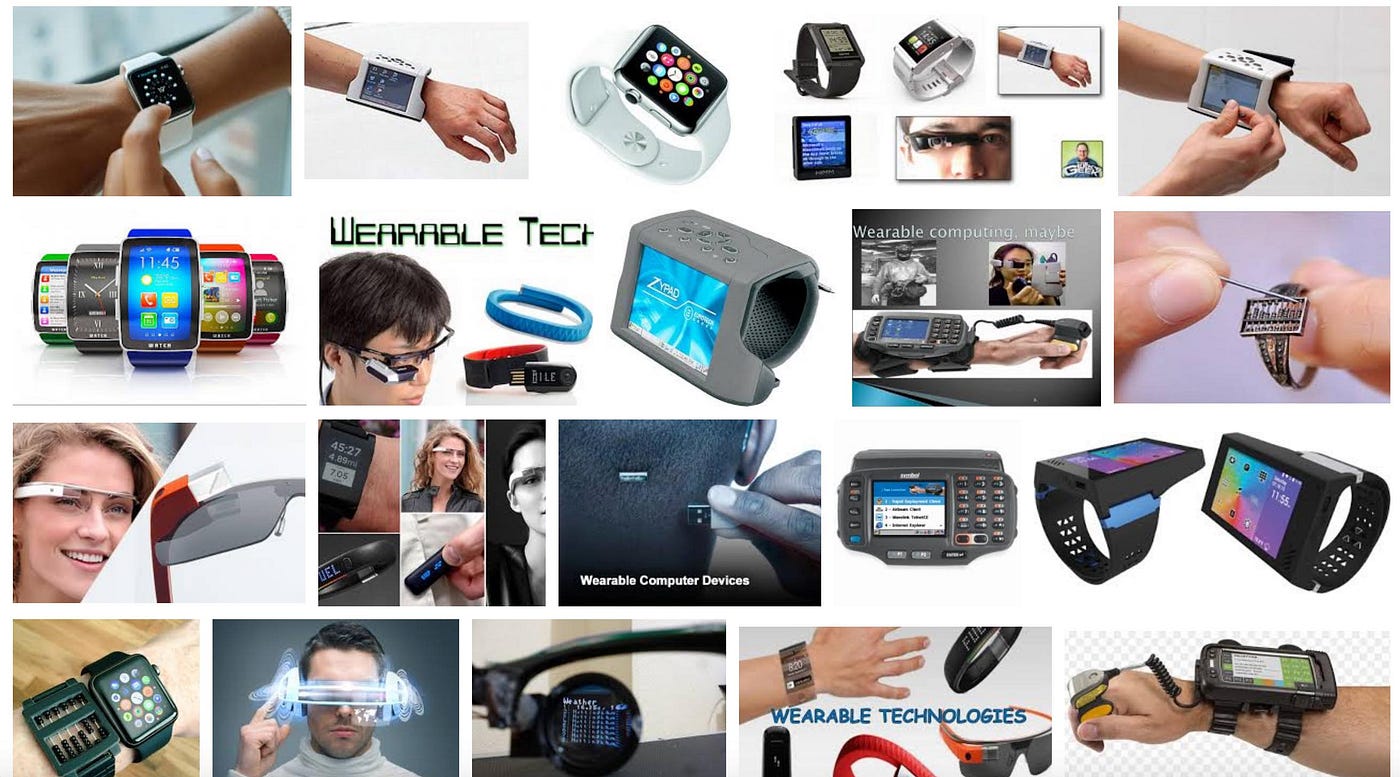
New Form Factors
Wearables will come in diverse shapes and sizes. Beyond watches and bands, expect smart clothing and jewelry. Flexible screens and lightweight materials will improve comfort. Devices will blend with fashion and lifestyle choices. This variety will attract more users and uses.
Frequently Asked Questions
What Is Wearable Technology Used For?
Wearable technology tracks health, fitness, and daily activities. It also enhances communication and convenience through smart devices. These gadgets improve lifestyle and productivity by providing real-time data and notifications.
How Does Wearable Technology Work?
Wearables use sensors to collect data from the body or environment. This data is processed and displayed on connected devices like smartphones. They often use Bluetooth or Wi-Fi for seamless communication and updates.
What Are Common Examples Of Wearable Technology?
Popular wearables include smartwatches, fitness trackers, and smart glasses. Other examples are health monitors and virtual reality headsets. These devices help users monitor health, stay connected, and access information quickly.
Is Wearable Technology Safe To Use Daily?
Yes, most wearables are designed with safety in mind. They use low-power signals and secure data encryption. However, users should follow manufacturer guidelines to avoid any potential risks or discomfort.
Conclusion
Wearable technology shapes how we interact with the world. It’s everywhere. From smartwatches to fitness trackers, the impact is clear. People enjoy convenience and health monitoring. Businesses see potential in data collection. Wearables offer new ways to connect. They continue to evolve and innovate.
Privacy concerns remain, but benefits outweigh them. Understanding wearables empowers users. Choose wisely for personal needs and lifestyle. Keep exploring as technology advances. Stay informed and make smart choices. Wearables are here to stay. Embrace the change and enjoy the benefits.
The future looks bright for wearable tech enthusiasts.
Leave a Reply