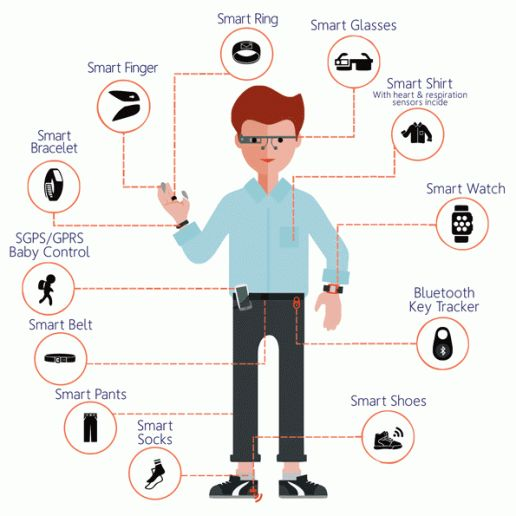
Have you ever wondered how a small device on your wrist can track your heartbeat, count your steps, and even help you stay connected without pulling out your phone? That’s the power of wearable technology.
These gadgets are designed to fit seamlessly into your daily life, making it easier to stay healthy, organized, and in touch. If you want to understand what wearable technology really is and how it can change the way you live, keep reading.
You might be surprised at how much these tiny devices can do for you.
Rise Of Wearable Tech
Wearable technology has grown from simple gadgets to essential daily tools. This rise reflects changes in how people interact with technology. Devices now fit seamlessly into life, offering convenience and new features.
Wearables track health, enhance communication, and support fitness goals. Their design has improved, making them more user-friendly and stylish. The rise of wearable tech shows how technology adapts to human needs.
Early Devices And Evolution
The first wearable devices appeared in the 1980s and 1990s. Early models focused on basic functions like step counting and timekeeping. These devices were bulky and limited in use.
Over time, technology shrank and improved. Sensors became more accurate, and battery life increased. The rise of smartphones pushed wearables to offer more features. Now, wearables include smartwatches, fitness bands, and even smart glasses.
Current Market Trends
- Health monitoring is the top priority for many users.
- Wearables now measure heart rate, sleep patterns, and oxygen levels.
- Integration with apps allows personalized fitness and health advice.
- Fashion and design play a bigger role in device choice.
- Brands focus on lightweight, durable, and waterproof materials.
- Smartwatches dominate, but niche devices like VR headsets grow.
The market continues to expand, with more people adopting wearables daily. New features and better connectivity keep the technology fresh and useful.

Credit: tech.yahoo.com
Popular Wearable Devices
Wearable technology has become an integral part of daily life for many people. These devices offer convenience and functionality right at your fingertips—or on your wrist, face, or body. Understanding the popular wearable devices available today can help you decide which one fits your lifestyle and needs best.
Smartwatches And Fitness Trackers
Smartwatches and fitness trackers are the most common types of wearable devices. They do more than just tell time; they track your steps, monitor your heart rate, and even manage notifications from your phone.
Some models, like the Apple Watch or Fitbit Charge, also allow you to control music, pay for purchases, and set reminders. If you’ve ever lost track of your daily activity goals, these devices can keep you motivated and accountable.
Smart Glasses And Vr Headsets
Smart glasses and VR headsets bring a different dimension to wearable tech. Smart glasses, such as Google Glass, provide hands-free access to information while you work or explore.
VR headsets immerse you in virtual worlds, making gaming, training, and even remote collaboration more interactive. Imagine attending a meeting or exploring a new city without leaving your home—these devices make it possible.
Health Monitoring Gadgets
Health monitoring gadgets focus on tracking vital signs and managing medical conditions. Devices like continuous glucose monitors or wearable ECG patches provide real-time data that can be life-changing for those with chronic health issues.
These gadgets empower you to take control of your health by offering insights that were once only available in clinical settings. What health data would you want to have at your fingertips every day?
Impact On Health And Fitness
Wearable technology has changed the way people care for their health and fitness. These devices offer real-time data that helps users understand their bodies better. They support users in staying active, monitoring health, and forming good habits. This impact is clear in many daily activities and long-term health goals.
Tracking Physical Activity
Wearable devices track steps, distance, and calories burned. They also record exercise types like running, cycling, or swimming. This data helps users see their progress and stay motivated. Many wearables set daily goals to encourage more movement. Users can check their activity levels anytime through easy apps.
Monitoring Vital Signs
Many wearables monitor heart rate, blood pressure, and sleep quality. This information helps spot health issues early. Continuous tracking allows users to manage conditions like high blood pressure. Sleep tracking shows how well users rest and recover. Some devices alert users if vital signs go outside normal ranges.
Encouraging Healthy Habits
Wearables send reminders to drink water, move, or relax. They help create routines by tracking habits over time. Users receive tips to improve diet, exercise, and sleep. Positive feedback encourages sticking to healthy choices. This support helps users build lasting, healthy behaviors.

Credit: www.youtube.com
Enhancing Daily Life
Wearable technology fits seamlessly into daily routines. It makes simple tasks easier and saves time. These devices help people stay connected, organized, and aware. Their small size means they never interrupt activities. Wearables support a balanced lifestyle by blending technology with everyday actions.
Improving Communication
Wearables keep users linked to family, friends, and work. Instant messaging and calls happen without picking up a phone. Voice commands allow hands-free conversations. Notifications alert users to important messages quickly. These devices reduce the chance of missing urgent news.
Boosting Productivity
Wearables help manage tasks and schedules efficiently. Reminders and calendar alerts keep users on track. Quick access to emails and notes speeds up work. Fitness trackers encourage regular breaks and healthy habits. This balance improves focus and energy throughout the day.
Personalized Notifications
Users receive alerts tailored to their needs and preferences. Fitness goals, weather updates, and news come directly to the wrist. Custom settings filter out unimportant messages. This reduces distractions and keeps attention on what matters most. Personalization makes technology feel more helpful and less intrusive.
Wearables In The Workplace
Wearable technology is changing how businesses support and manage their teams. These devices provide real-time data and improve daily work life. Companies use wearables to boost health, safety, and productivity. The impact is clear across many industries.
Employee Wellness Programs
Wearables help track physical activity, heart rate, and sleep patterns. Employers use this data to create wellness programs. These programs encourage healthy habits and reduce stress. Employees feel more engaged and motivated to stay active. Simple reminders from devices promote regular breaks and better posture.
Safety And Efficiency
Wearables monitor dangerous environments and alert workers to risks. Sensors detect falls, exposure to harmful chemicals, or extreme temperatures. This technology helps prevent accidents and injuries. Wearables also improve task management by tracking time and movement. Workers complete jobs faster with fewer errors.
Data-driven Decisions
Companies collect data from wearable devices to analyze trends. This information guides decisions on workforce management and resource allocation. Data helps identify areas needing improvement or extra training. It supports customizing work conditions for better performance. Smart insights lead to safer and more efficient workplaces.
Challenges And Privacy
Wearable technology offers exciting possibilities, but it also brings real challenges, especially around privacy and usability. Understanding these issues helps you make smarter choices about the devices you wear every day. Let’s dive into some key challenges you might face and consider how they impact your experience.
Data Security Concerns
Your wearable collects a lot of personal information, from heart rate to location. This data is valuable but also vulnerable. Hackers can target these devices, putting your privacy at risk.
Think about the last time you used a fitness tracker. Did you check how the company protects your data? Many users don’t, but you should. Look for devices with strong encryption and clear privacy policies.
Also, consider the apps connected to your wearable. Each app is another potential entry point for data breaches. Ask yourself: Are you comfortable with how your data is shared and stored?
Battery Life And Durability
Nothing kills the excitement of a new wearable faster than a dead battery. Short battery life forces you to charge your device frequently, disrupting your routine. This can be frustrating, especially if you rely on the device for health monitoring.
Durability is just as important. Wearables face daily wear and tear — sweat, drops, and weather changes. If your device breaks easily, you lose both convenience and money.
Choosing a wearable with long battery life and robust build quality saves you headaches. Ask yourself how often you want to charge your device and what kind of environment you’ll use it in.
User Adoption Barriers
Even the best wearable won’t help if you don’t use it regularly. Some people find devices complicated or uncomfortable. Others worry about looking “too techy” or don’t see clear benefits.
For example, a friend of mine stopped using a smartwatch because the notifications became overwhelming. This shows how wearables can sometimes add stress instead of reducing it.
To overcome these barriers, pick a device that fits your lifestyle and preferences. Start with simple features, then explore more advanced options as you get comfortable. What small change could make you want to wear your device every day?
Future Trends In Wearables
The future of wearable technology is not just about tracking steps or notifications anymore. It’s moving toward smarter, more connected devices that deeply understand your needs and environment. Imagine wearables that learn from you, predict your health issues, and seamlessly connect with the world around you.
Integration With Ai
Wearables are starting to include AI to give you personalized insights rather than raw data. Instead of just showing your heart rate, AI can analyze trends and warn you before potential health problems arise.
Think about a smartwatch that learns your daily routine and suggests the best times to exercise or rest. This makes your device a proactive partner in managing your well-being, not just a passive tool.
Advanced Health Monitoring
Health monitoring in wearables is becoming more precise and diverse. New sensors can track blood sugar levels, hydration, oxygen saturation, and even stress indicators continuously.
This means you can catch early signs of illness or manage chronic conditions more effectively. Have you ever wished your device could alert you before you feel unwell? That’s exactly where this technology is heading.
Wearable Tech And Iot
Wearables will increasingly connect with other smart devices around you, creating a powerful Internet of Things (IoT) ecosystem. Your watch could communicate with your home thermostat, car, or even your office desk to optimize your comfort and productivity.
Imagine arriving home and your lights adjust, your music starts, and your coffee maker brews—all triggered by your wearable. How could such seamless interaction improve your daily life?

Credit: www.happiestminds.com
Frequently Asked Questions
What Is Wearable Technology Used For?
Wearable technology tracks health, fitness, and daily activities. It also offers notifications, GPS, and hands-free communication. This tech improves convenience and personal data monitoring for users.
How Does Wearable Technology Improve Health?
Wearables monitor heart rate, sleep patterns, and physical activity. They provide real-time feedback to help users maintain healthy habits. This data supports better lifestyle choices and early detection of health issues.
Which Devices Are Considered Wearable Technology?
Common wearables include smartwatches, fitness trackers, smart glasses, and VR headsets. These devices connect to smartphones or operate independently to provide useful features. They blend technology seamlessly into daily life.
Is Wearable Technology Safe To Use Daily?
Wearables use low-power signals and are generally safe for everyday use. Users should follow manufacturer guidelines and avoid excessive exposure. Data privacy is important, so secure devices and software updates are recommended.
Conclusion
Wearable technology keeps evolving, changing how we live daily. From smartwatches to fitness trackers, these devices offer convenience and connectivity. They help us stay healthy, organized, and informed. As technology advances, wearables will become even more integrated into our lives.
Consumers can expect more features and better designs. These gadgets will continue to simplify tasks and enhance our routines. So, stay curious and explore the latest wearable tech options. Exciting innovations are just around the corner. Keep an eye out for what’s next!
Leave a Reply