
Are you struggling to keep track of your maintenance tasks and records? A Paper Based Maintenance System might be the simple solution you need.
It’s a straightforward way to organize your work without relying on complex software or digital tools. By using paper forms, checklists, and logs, you can easily monitor equipment status, schedule repairs, and ensure nothing gets overlooked. If you want to understand how this traditional system works and whether it fits your needs, keep reading.
This article will guide you step-by-step through everything you need to know about a Paper Based Maintenance System.
Credit: www.valmet.com
Paper Based Maintenance System Basics
Understanding the basics of a paper based maintenance system helps you appreciate its role in managing equipment upkeep. This traditional approach relies on physical documents to schedule, track, and record maintenance tasks. Although digital tools dominate today, many organizations still trust paper systems for their simplicity and reliability.
What Is A Paper Based Maintenance System?
A paper based maintenance system uses printed forms, checklists, and logs to organize maintenance activities. You manually fill out these documents to record inspections, repairs, and routine servicing. It’s a straightforward way to keep track of your equipment’s condition without needing computers or software.
Key Components Of Paper Based Maintenance
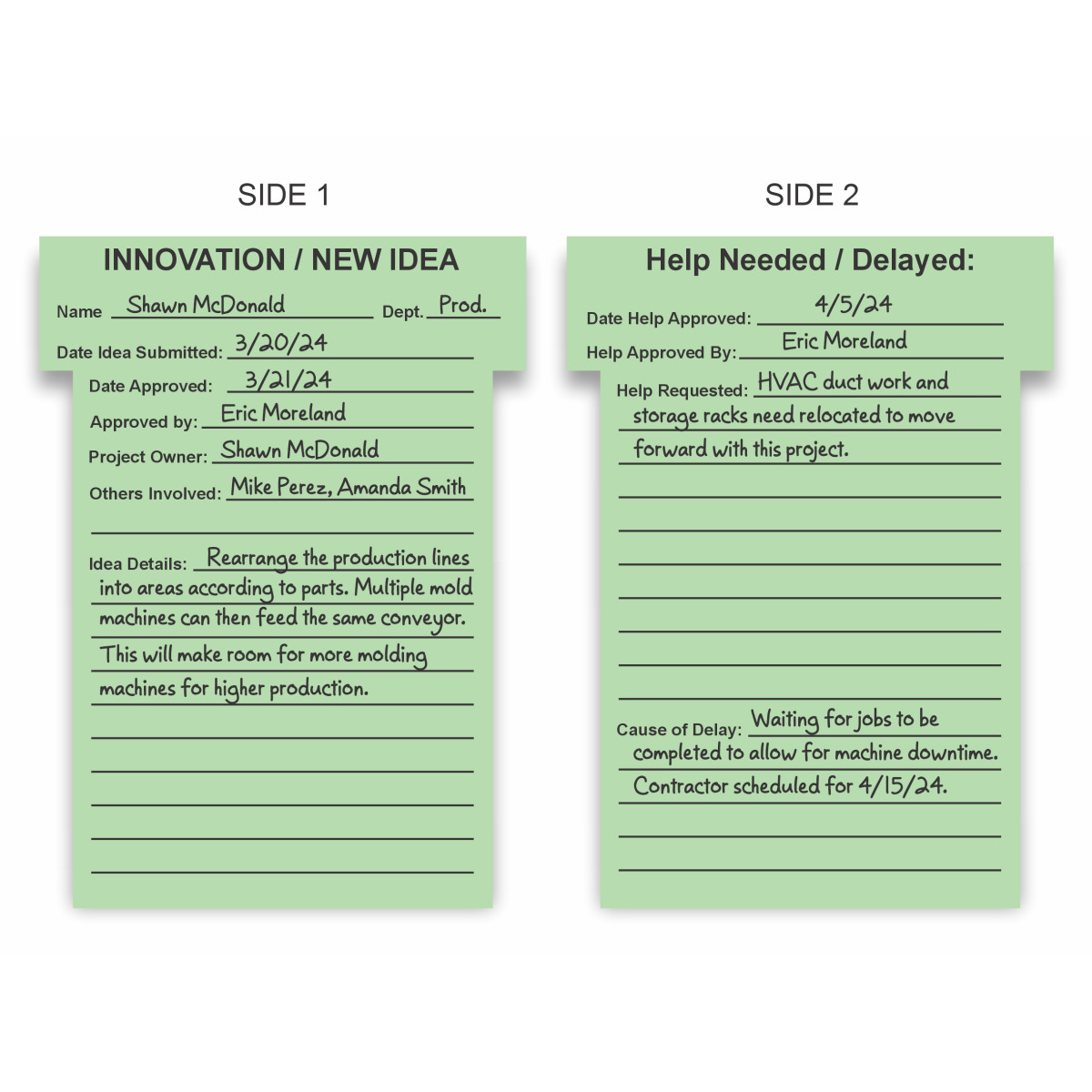
- Work Orders:Printed requests describing maintenance tasks.
- Checklists:Step-by-step lists ensuring all procedures are followed.
- Logs:Records of completed maintenance with dates and signatures.
- Schedules:Calendars or charts showing planned maintenance activities.
These components work together to create a clear trail of maintenance history. They help you spot patterns and anticipate future needs.
Advantages And Limitations
Paper systems are easy to use and require minimal training. You don’t need special software or devices, making it accessible in places with limited technology.
However, paper records can get lost or damaged, and searching for information takes longer. Have you experienced delays because you couldn’t find a maintenance log quickly?
How To Maintain Accuracy
Accuracy depends on consistent updates and proper storage of documents. Assign responsibility for filing and reviewing records regularly.
Using color-coded folders or binders can help you organize papers effectively. You want to ensure your maintenance history is always easy to access and up to date.
Credit: www.magneticconcepts.com
Key Components
A paper-based maintenance system relies on physical documents to track and manage maintenance tasks. It organizes key information on paper for easy access and record-keeping. The system’s effectiveness depends on several essential components.
Each component plays a vital role in ensuring smooth maintenance operations. These include recording past work, scheduling new tasks, managing supplies, and checking equipment conditions regularly.
Maintenance Logs
Maintenance logs record all performed maintenance activities. They show what work was done, when, and by whom. Logs help track equipment history and spot recurring issues. Keeping detailed logs prevents errors and improves future planning.
Work Orders
Work orders guide maintenance tasks from start to finish. They describe the problem, list required tools, and assign workers. Paper work orders ensure clear communication and task tracking. They help prioritize jobs and keep maintenance organized.
Inventory Management
Inventory management tracks spare parts and supplies on hand. It records quantities, reorder levels, and usage rates. Paper inventory sheets help avoid stock shortages and delays. Managing inventory properly reduces downtime and keeps costs low.
Inspection Checklists
Inspection checklists list items to examine during equipment checks. They ensure thorough and consistent inspections each time. Paper checklists guide workers through steps and help spot problems early. Regular use of checklists improves equipment reliability and safety.
Advantages
A paper-based maintenance system offers several clear advantages. It provides a straightforward way to track and manage maintenance tasks. This system suits businesses or teams with limited resources or simple needs. The benefits of using paper-based records can support effective maintenance without complex tools.
Low Cost
Paper-based systems require minimal investment. No expensive software or hardware is needed. Supplies like paper and pens are inexpensive and easy to find. This keeps overall maintenance costs low. Small businesses or startups can maintain equipment without financial strain.
Simplicity
The system is easy to understand and use. Maintenance records are kept on simple sheets or forms. No technical skills or digital devices are necessary. This simplicity helps avoid confusion and errors. Teams can focus on the tasks rather than learning new tools.
Minimal Training Requirements
Staff need little training to use this system. Basic instructions on filling out forms are usually enough. New employees can quickly adapt and start recording data. This saves time and resources that would go to training. It ensures smooth operation even with frequent staff changes.
Challenges
Managing maintenance with a paper-based system brings several challenges that can slow down your work and create unnecessary risks. While it might seem straightforward at first, relying on physical documents often leads to bottlenecks and mistakes that impact your team’s efficiency. Understanding these challenges helps you decide if sticking to paper is really the best choice for your maintenance needs.
Data Accessibility Issues
Finding the right document in a stack of papers can take much longer than you expect. If you need to check a maintenance record quickly, searching through filing cabinets wastes precious time and causes delays.
Sharing information with team members also becomes tricky. You can’t access the data remotely or update it in real-time, which limits your ability to respond swiftly to urgent problems.
Error Prone Processes
Writing down details by hand invites errors—illegible handwriting, missed entries, or lost pages can all disrupt your maintenance schedule. These small mistakes add up and might lead to equipment failures or safety risks.
I once saw a team lose track of an important repair because a paper log was misplaced. That single error caused a costly downtime that could have been avoided with a more reliable system.
Time Consumption
Paper-based maintenance requires constant manual effort to record, file, and review documents. This repetitive work drains your team’s time, leaving less room for actual hands-on maintenance.
Imagine spending hours every week just organizing papers instead of fixing machines or planning preventive tasks. How much more could your team achieve if those hours were freed up?
Comparison With Digital Systems
Comparing paper-based maintenance systems with digital ones highlights clear differences that affect how you manage tasks and resources daily. Understanding these differences can help you decide which system fits your needs best, especially when efficiency, cost, and adaptability come into play.
Efficiency Differences
Paper-based systems rely heavily on manual entry and physical storage, which can slow down your workflow. Searching for past records or updating information takes more time compared to digital systems that allow instant access and quick edits.
Digital systems automate reminders, track maintenance schedules, and generate reports effortlessly. This automation reduces errors and frees up your time for more critical tasks. Have you noticed how much time you spend just finding the right document in a paper system?
Cost Implications
At first glance, paper-based systems seem cheaper since they don’t require expensive software or hardware. However, printing, storing, and managing physical documents add hidden costs over time.
Digital systems may involve upfront investments in software and training, but they often save money by reducing errors and improving resource allocation. Consider how much your business spends on lost paperwork or duplicated work—those costs can add up quickly.
Flexibility And Adaptability
Paper systems can be rigid, making it tough to update processes or scale operations quickly. Changing a form or adding new maintenance tasks means printing new documents and retraining staff.
Digital platforms adapt easily to changes. You can customize workflows, add new features, and access data remotely without hassle. Think about the last time you had to update a paper checklist—how long did it take compared to just clicking a few buttons on a digital tool?
Best Practices
Maintaining a paper-based maintenance system demands discipline and attention. Best practices help ensure the system runs smoothly. These practices reduce errors and save time. They keep maintenance records clear and easy to access.
Organized Filing
Keep all documents in clearly labeled folders. Sort files by date, machine, or task type. Use color codes or tabs for quick identification. Store files in a dedicated cabinet or shelf. Avoid mixing unrelated papers to prevent confusion.
Regular Updates
Update maintenance records right after each task. Check documents for accuracy and completeness often. Remove outdated or irrelevant papers promptly. Keep the system current to reflect real-time maintenance activities. This practice helps avoid missing important details.
Consistent Documentation
Use the same format for all maintenance logs and reports. Write clearly and avoid abbreviations that others might not understand. Record all key details, such as date, time, and person responsible. Consistency makes it easier to review and audit records. It ensures everyone follows the same process.
Industries Still Using Paper Systems
Many industries still rely on paper-based maintenance systems despite digital options. Paper systems offer simplicity and low cost. They work well where technology access is limited or budgets are tight. Some sectors find paper easier for daily tasks and record-keeping.
Manufacturing
Manufacturing plants often use paper to track machine maintenance. Workers write down repairs and inspections by hand. Paper forms help in areas with noisy or dusty environments. Machines and tools require regular checks that paper logs can record easily. Paper also helps when digital devices are impractical on the shop floor.
Utilities
Utility companies use paper to manage field equipment and infrastructure. Workers in remote locations carry paper checklists and maps. Paper records guide maintenance of power lines, water pipes, and meters. It ensures data is collected even without internet or mobile signals. Paper forms also serve as backup during system outages.
Small Enterprises
Small businesses prefer paper systems due to low setup costs. They avoid expenses on software, devices, and training. Paper files store maintenance schedules and service reports. Small teams find paper easy to use and update. This system fits companies with simple maintenance needs and few assets.
Credit: www.cybereason.com
Transitioning To Digital Solutions
Transitioning from a paper based maintenance system to a digital one is a big step. It involves more than just swapping paper for screens. This change can improve efficiency, reduce errors, and make tracking easier. The shift requires careful planning and clear goals.
Evaluating Needs
Start by understanding what your maintenance team really needs. List tasks that take too long or cause mistakes. Check how data is collected and shared. Identify gaps that digital tools can fill. This helps to pick the right solution that fits your work style.
Choosing Appropriate Software
Look for software that matches your needs and budget. It should be easy to use and reliable. Features like task scheduling, alert notifications, and report generation are useful. Cloud-based options offer access from anywhere. Test a few options before deciding to ensure they work well.
Training For Change
Training is key to a smooth transition. Teach staff how to use new tools step by step. Use simple guides and hands-on sessions. Encourage questions and offer ongoing support. This builds confidence and reduces resistance to change. The goal is to make everyone comfortable with the new system.
Frequently Asked Questions
What Is A Paper-based Maintenance System?
A paper-based maintenance system uses physical documents to track and manage maintenance tasks. It involves logs, checklists, and reports written or printed on paper. This system helps record maintenance schedules, inspections, and repairs without digital tools.
How Does A Paper-based Maintenance System Work?
Maintenance staff manually record task details on paper forms or logs. These documents are organized and reviewed regularly to track work progress and compliance. It relies on physical storage and manual updates, making it simple but prone to errors or loss.
What Are The Benefits Of A Paper-based Maintenance System?
Paper-based systems are low-cost and easy to implement without technical skills. They provide tangible records and can work in environments with limited technology. This system is straightforward and familiar for small businesses or industries with minimal maintenance complexity.
What Are The Drawbacks Of Paper-based Maintenance Systems?
Paper systems can be inefficient and hard to manage as records grow. They risk damage, loss, and errors in manual data entry. Tracking history and generating reports take longer compared to digital alternatives, impacting timely decision-making.
Conclusion
A paper-based maintenance system keeps records on physical sheets. It helps track repairs, inspections, and schedules easily. Though simple, it can slow down work and cause errors. Many still use it for its low cost and simplicity. Choosing the right system depends on your needs and resources.
Paper systems work well for small teams or low-tech environments. Think about what fits your maintenance work best. This system plays a key role in managing equipment and tasks.
Leave a Reply