
Have you ever wondered how buildings stay safe, comfortable, and efficient year after year? The answer lies in Building Maintenance Technology.
This field combines smart tools and techniques to keep your home, office, or any building running smoothly. Whether you’re a property owner, manager, or just curious, understanding this technology can save you time, money, and hassle. Keep reading to discover how Building Maintenance Technology works and why it matters to you.
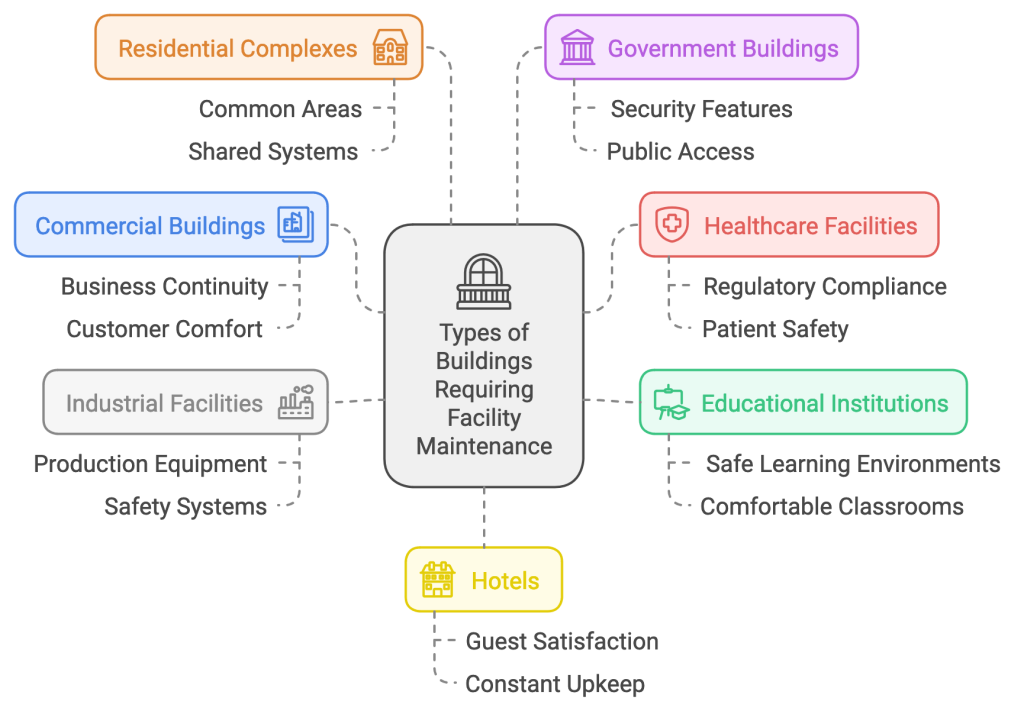
Credit: worktrek.com
Building Maintenance Technology Overview
Building Maintenance Technology plays a crucial role in keeping your property safe, efficient, and comfortable. It combines various tools and systems to monitor, manage, and maintain buildings effectively. Understanding this technology can help you save time, reduce costs, and prevent unexpected breakdowns.
What Is Building Maintenance Technology?
Building Maintenance Technology refers to the use of digital tools and automated systems to oversee the upkeep of a building’s infrastructure. This includes heating, ventilation, air conditioning (HVAC), electrical systems, plumbing, and security. These technologies help identify problems early, often before you even notice them.
Key Components Of Building Maintenance Technology
- Sensors and IoT Devices:These devices collect real-time data on temperature, humidity, energy usage, and equipment status.
- Building Management Systems (BMS):Centralized platforms that control and monitor various building functions from one interface.
- Predictive Maintenance Software:Tools that analyze data to predict when equipment might fail, allowing proactive repairs.
- Mobile Maintenance Apps:Apps that let you track and manage maintenance tasks on the go.
Why Does Building Maintenance Technology Matter To You?
Imagine spotting a small leak before it floods your entire basement. That’s the power of this technology. It reduces emergency repairs and extends the life of your building components. Plus, it helps you track maintenance schedules without the usual paperwork hassle.
How Does It Improve Daily Operations?
Building Maintenance Technology streamlines communication between maintenance teams and facility managers. It provides instant alerts and detailed reports. This means you can fix issues faster and avoid downtime that affects tenants or business operations.
Key Trends Shaping 2025
As 2025 approaches, building maintenance technology is rapidly evolving. The trends shaping this change focus on making buildings more efficient, responsive, and eco-friendly. Understanding these trends can help you stay ahead and ensure your property performs at its best.
Sustainability Innovations
Sustainability is no longer optional—it’s a necessity. New materials and energy systems reduce waste and lower carbon footprints. For example, buildings now use advanced insulation that cuts energy costs dramatically.
Water recycling technologies are becoming common, helping buildings conserve this precious resource. You might see smart irrigation systems that adjust watering based on weather, saving both water and money.
Have you considered how your building’s maintenance can impact the environment? Choosing green solutions can enhance your property’s value and appeal to eco-conscious tenants.
Smart Building Systems
Smart systems are transforming how buildings operate daily. Sensors track everything from temperature to occupancy, allowing real-time adjustments that boost comfort and efficiency.
Imagine your HVAC system turning off automatically when rooms are empty, reducing energy waste. Or smart lighting that adapts to daylight, creating perfect ambiance while saving power.
These technologies also provide detailed maintenance data, helping you predict issues before they become costly repairs. How much could you save by fixing problems early?
Essential Technologies
Building maintenance technology uses tools and systems to keep buildings safe and efficient. These technologies help detect problems early and reduce repair costs. They also improve comfort and save energy. Understanding the essential technologies helps facility managers make smart choices.
Iot In Maintenance
The Internet of Things (IoT) connects devices and sensors to the internet. These sensors monitor temperature, humidity, and equipment status in real time. Data from IoT devices alerts managers to issues before they become serious. This reduces downtime and lowers repair expenses.
Artificial Intelligence Applications
Artificial intelligence (AI) analyzes large amounts of data quickly. AI identifies patterns that humans might miss. It helps prioritize maintenance tasks and predicts equipment failures. AI systems improve decision-making and optimize resource use in buildings.
Predictive Maintenance Tools
Predictive maintenance tools use data from sensors and AI to forecast when equipment will fail. This approach schedules maintenance only when needed. It avoids unnecessary repairs and extends the life of machines. Predictive tools increase reliability and cut costs.
Benefits Of Modern Maintenance
Modern building maintenance technology offers many benefits that help keep buildings running smoothly. It improves how buildings are cared for and managed. This leads to better performance and longer building life. Businesses save money and resources with smart maintenance tools. Safety also increases, protecting people inside the building.
Cost Efficiency
Modern maintenance reduces repair costs by catching problems early. It uses data to plan maintenance tasks effectively. This prevents expensive breakdowns and extends equipment life. Automated systems lower labor costs by reducing manual checks. Budgets become easier to manage with predictable maintenance schedules.
Energy Savings
Smart maintenance optimizes energy use in buildings. Sensors monitor systems like heating and cooling in real time. They adjust settings to avoid waste and reduce bills. Energy-efficient equipment lasts longer with proper care. These savings support environmental goals and reduce operational costs.
Improved Safety
Building maintenance technology helps spot safety hazards fast. It tracks fire alarms, electrical systems, and emergency exits. Regular checks reduce the risk of accidents and equipment failure. Staff can respond quickly to alerts and fix issues. This creates a safer environment for everyone inside.
Challenges And Solutions
Building Maintenance Technology faces many challenges. These challenges affect how well the systems work and protect buildings. Finding smart solutions helps manage these problems effectively. The main issues include integrating new tools and keeping data safe.
Integration Issues
New building systems often need to work with old ones. This can cause problems because different systems use different software and hardware. Compatibility issues may stop devices from communicating properly. This slows down maintenance work and creates extra costs.
Solutions include:
- Using standardized protocols for better communication.
- Choosing flexible systems that support multiple platforms.
- Regular testing to find and fix connection problems early.
Data Security Concerns
Building Maintenance Technology collects a lot of sensitive data. This data includes access codes, usage patterns, and system statuses. If hackers get this data, they can cause serious damage or theft.
To protect data, use:
- Strong encryption to keep data private.
- Regular software updates to fix security gaps.
- Access controls to limit who can see important information.

Credit: propmodo.com
Future Of Building Maintenance
The future of building maintenance is transforming rapidly as technology reshapes how we care for our structures. You will find more smart tools and systems making maintenance proactive rather than reactive. This shift not only saves money but also extends the life of buildings and improves safety.
Emerging Technologies
New technologies are changing the game for building maintenance. Sensors now monitor everything from temperature to structural integrity in real-time. This means you get alerts before small issues become costly repairs.
Drones are another tool gaining popularity. They allow you to inspect roofs or hard-to-reach areas without putting anyone at risk. Imagine spotting a leak or crack early because a drone gave you a bird’s-eye view.
Artificial intelligence (AI) is also playing a role by analyzing data and predicting when equipment needs service. This helps avoid unexpected breakdowns and improves efficiency. Have you thought about how AI could help you plan your maintenance schedule?
Evolving Industry Standards
Industry standards for building maintenance are evolving to keep pace with new technologies. Regulations are becoming stricter about energy efficiency and environmental impact. You need to stay informed to ensure your building meets these requirements.
Certification programs are updating their criteria to include smart building systems and sustainable practices. This means your maintenance team may need new skills and training. How are you preparing your team for these changes?
Additionally, data security has become a priority as buildings become more connected. Protecting sensitive information is now part of maintenance responsibility. Are you ready to handle the cybersecurity aspect of modern building management?
Implementing New Technologies
Implementing new technologies in building maintenance is more than just installing the latest gadgets. It requires a clear plan and commitment to change how things have been done traditionally. The goal is to improve efficiency, reduce costs, and extend the life of building systems.
Steps For Adoption
Start by assessing your current maintenance processes. Identify the pain points where technology can make the biggest impact. This might be tracking energy use, scheduling repairs, or monitoring equipment health.
Next, research technologies that fit your needs and budget. Don’t rush into buying the newest tool without understanding how it will integrate with your existing systems. Consider compatibility and ease of use for your team.
Once you pick the technology, plan a pilot test. This allows you to see how it works in your environment and identify any issues early. Collect feedback from the users who interact with the technology daily.
Training And Skill Development
Technology is only as good as the people using it. Invest time in training your maintenance team thoroughly. Hands-on sessions help them understand both the benefits and challenges of the new system.
Encourage continuous learning by providing access to online courses and workshops. Technology evolves quickly, so updating skills regularly keeps your team sharp and confident.
Remember, not everyone adapts to change at the same pace. Be patient and provide extra support to those who need it. Building a culture that embraces learning can make a huge difference in how smoothly new technologies are adopted.
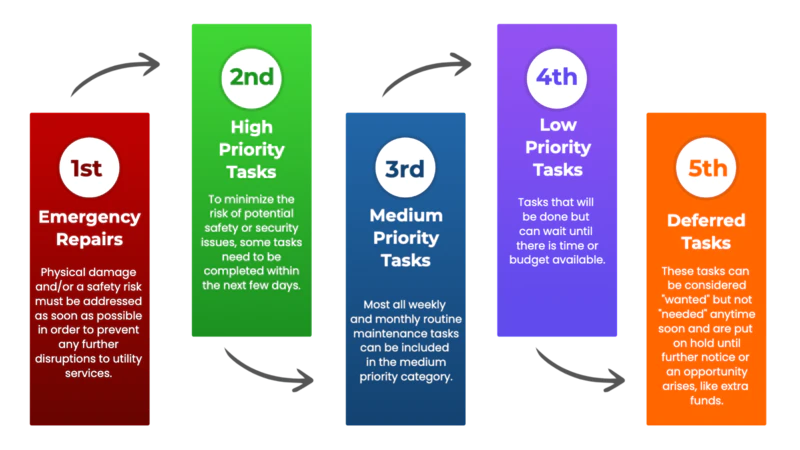
Credit: advantagecleaningllc.net
Frequently Asked Questions
What Is Building Maintenance Technology?
Building maintenance technology involves tools and systems used to manage and maintain building infrastructure efficiently. It includes software, sensors, and automation to monitor and repair building components, ensuring safety and functionality.
How Does Building Maintenance Technology Improve Efficiency?
This technology streamlines maintenance tasks through automation and real-time monitoring. It reduces downtime, predicts failures, and optimizes resource allocation, saving time and costs while enhancing building performance.
What Are Common Tools In Building Maintenance Technology?
Common tools include Building Management Systems (BMS), IoT sensors, automated HVAC controls, and predictive maintenance software. These tools help monitor energy use, detect faults, and schedule repairs proactively.
Why Is Building Maintenance Technology Important For Safety?
It ensures timely detection of hazards like electrical faults or structural issues. Early warnings prevent accidents, enhance occupant safety, and comply with regulatory standards, reducing liability risks.
Conclusion
Building maintenance technology helps keep buildings safe and working well. It uses tools and systems to find problems early. This saves time and money on repairs. People can manage building tasks faster and easier. Choosing the right technology makes maintenance more efficient.
It supports a clean and comfortable environment for everyone. Understanding these tools is important for building owners and workers. This knowledge leads to better care and longer building life. Simple steps with technology bring big benefits.
Leave a Reply