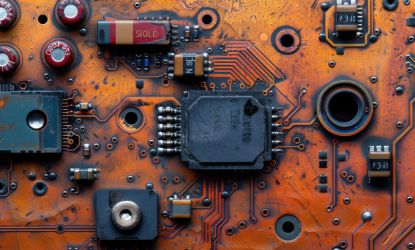
Are you curious about what makes your electronic devices run smoothly and efficiently? Power electronic components are the hidden heroes behind the scenes, controlling and managing the flow of electricity in everything from your smartphone charger to industrial machines.
Understanding these components can give you an edge, whether you’re a student, hobbyist, or professional looking to deepen your knowledge. You’ll discover what power electronic components are, how they work, and why they matter to your everyday life. Keep reading, and you’ll unlock the secrets that keep modern electronics powered and reliable.
Basics Of Power Electronics
Power electronics is a branch of electronics that controls and converts electric power. It plays a key role in managing energy in many devices. This field uses electronic components to control the flow and conversion of electrical energy efficiently.
Understanding the basics helps in grasping how devices like chargers, motors, and power supplies work. Power electronics aims to improve energy use and reduce losses in electrical systems.
What Are Power Electronic Components?
Power electronic components are devices that control electric power flow. They can switch and convert electricity from one form to another. Examples include diodes, transistors, and thyristors.
These components handle high voltage and current, unlike regular electronic parts.
How Power Electronics Works
Power electronics uses switching devices to turn power on and off rapidly. This switching controls voltage and current levels. It helps convert power from AC to DC or change voltage levels.
The process increases efficiency and allows precise control over electrical energy.
Types Of Power Electronic Devices
- Diodes:Allow current to flow in one direction only.
- Thyristors:Control high voltage and current by switching on/off.
- Transistors:Act as switches or amplifiers in circuits.
- IGBTs:Combine high efficiency and fast switching.
Power electronics are used in many areas. These include renewable energy systems, electric vehicles, and industrial machines. They improve energy efficiency and control in these systems.

Credit: hackaday.io
Key Components In Power Electronics
Power electronics rely on specific components to control and convert electrical power efficiently. Understanding these key components helps you grasp how devices like inverters, converters, and motor drives function. Each component plays a unique role, affecting performance, reliability, and efficiency.
Diodes
Diodes allow current to flow in only one direction, acting like a one-way valve for electricity. They protect circuits by blocking reverse currents that could cause damage. You’ll find diodes in rectifiers that convert AC to DC, a fundamental process in power supplies.
Transistors
Transistors act as switches or amplifiers in power electronics. They control large currents with small input signals, making them essential for efficient power management. Devices like MOSFETs and IGBTs are popular transistors in power converters due to their fast switching and low losses.
Thyristors
Thyristors are robust switches used for controlling high voltages and currents. Once triggered, they stay on until the current drops to zero, which is useful in AC power control. They commonly appear in applications like motor speed controllers and light dimmers.
Capacitors
Capacitors store and release electrical energy quickly, smoothing voltage fluctuations. They help reduce noise and improve power factor in circuits. In power electronics, you’ll see capacitors stabilizing voltage in converters and filters.
Inductors
Inductors resist changes in current, storing energy in a magnetic field. They’re key to managing current flow and filtering out unwanted signals. You’ll often find them in power supplies and converters, helping maintain steady current and reduce ripple.
Functionality Of Power Electronic Components
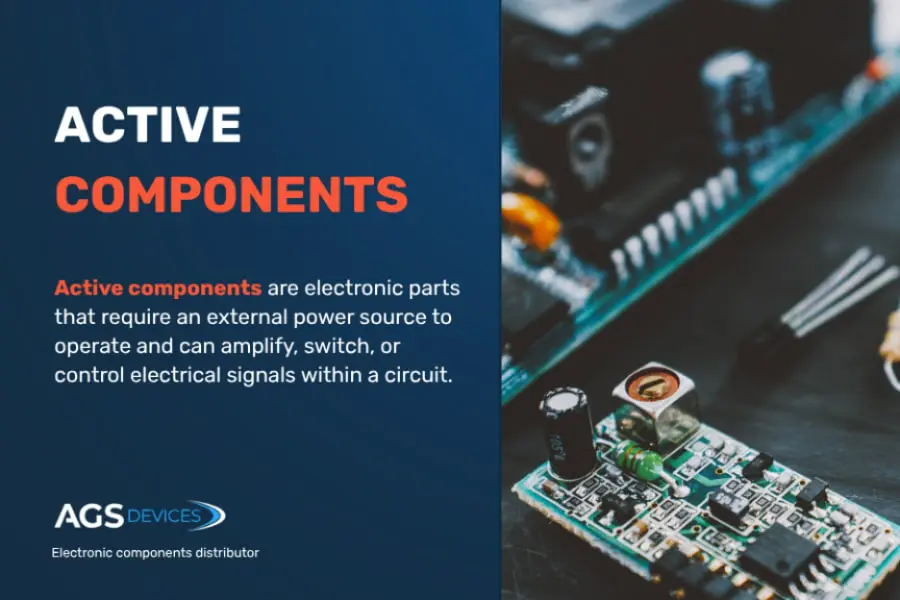
Power electronic components control and convert electrical power efficiently. They manage the flow of electricity in devices and systems. Their main role is to switch, regulate, and transform electrical energy. This helps in improving performance and saving energy.
These components work in many applications, from small gadgets to large industrial machines. Understanding their functions helps grasp how modern electronics operate smoothly and reliably.
Switching and ControlPower electronic components switch electrical currents on and off rapidly. This switching controls the power delivered to devices. It helps in adjusting voltage and current levels to suit needs. Fast switching reduces energy loss and improves efficiency.
Voltage and Current RegulationThese components regulate voltage and current to safe and usable levels. They maintain steady output despite changes in input or load. Regulation prevents damage to devices and ensures stable operation.
Conversion of Electrical EnergyPower electronics convert electrical energy from one form to another. For example, they change AC to DC or vice versa. This conversion supports various applications like charging batteries or powering motors.
Protection and SafetyPower electronic components protect circuits from faults and overloads. They detect abnormal conditions and interrupt power flow. This protection keeps devices safe and prevents failures.
Energy Efficiency ImprovementThese components minimize energy loss during power conversion and control. Efficient operation reduces heat generation and saves electricity. This leads to longer device life and lower energy costs.
Credit: www.agsdevices.com
Applications Of Power Electronics
Power electronic components play a crucial role in shaping modern technology. Their applications span various fields, directly impacting how energy is controlled and utilized efficiently. Understanding these applications can help you see the real-world benefits and potential of power electronics.
Renewable Energy Systems
Power electronics are essential in managing renewable energy sources like solar and wind. They convert and regulate electrical power to match grid requirements or battery storage. This ensures that energy from unpredictable sources is stable and usable.
Have you ever wondered how solar panels convert sunlight into usable electricity? The answer lies in power electronic devices such as inverters and converters. These components help maximize energy harvest and maintain system reliability.
Electric Vehicles
Electric vehicles (EVs) rely heavily on power electronic components to control motors and manage battery charging. These parts improve efficiency and extend driving range by optimizing power flow. They also support quick charging, making EVs more convenient for everyday use.
Imagine driving a car that recharges faster and drives smoother—that’s what power electronics enable. Without these components, the performance and acceptance of electric vehicles would be limited.
Power Supply Systems
Power electronic components regulate voltage and current in power supply systems. They ensure devices receive the right amount of power, improving safety and efficiency. From your laptop charger to large industrial power supplies, these components keep everything running smoothly.
Have you noticed how some chargers adapt to different devices? That adaptability comes from power electronics managing the power flow accurately. This prevents damage and saves energy.
Industrial Automation
In industrial automation, power electronics control machines and robotic systems with precision. They enable quick responses and efficient energy use in manufacturing processes. This leads to higher productivity and lower operational costs.
Think about a factory where machines work seamlessly without overheating or wasting power. Power electronic components make this possible by managing energy carefully and reliably.
Choosing The Right Components
Choosing the right power electronic components can make or break your project. The right choice ensures efficiency, reliability, and longevity. But how do you decide which components fit your specific needs?
Understanding Your Application Requirements
Start by clearly defining what your circuit or device needs to do. Are you dealing with high voltage or current? Is your system sensitive to switching speed or heat generation? Knowing these details helps narrow down your options quickly.
For example, if you need to control a motor, you might prioritize components that handle high current and offer fast switching. On the other hand, a power supply might require components with low leakage current and high efficiency.
Evaluating Component Ratings And Specifications
Always check the voltage, current, and power ratings on the datasheets. Choosing a component close to its maximum rating might cause failures under stress. Give yourself some margin to improve safety and durability.
Look for parameters like switching frequency, thermal resistance, and maximum junction temperature. These numbers tell you how the component will behave in real conditions. Have you ever picked a component only to find it overheats quickly? That’s a sign you ignored these specs.
Considering Availability And Cost
Even the best component is useless if you can’t get it or if it’s too expensive. Sometimes, a slightly less perfect option is better if it’s readily available and affordable. This balance is crucial for both prototypes and mass production.
Think about your project’s timeline. Can you wait for a special order, or do you need something off-the-shelf? This decision can save you weeks or add unexpected delays.
Testing And Validation
Don’t rely solely on datasheets. Testing components in your actual setup often reveals hidden issues. I once chose a transistor that looked perfect on paper but failed repeatedly due to unexpected thermal stress.
Try small batches and monitor performance closely. This hands-on approach helps you spot potential problems early and adjust your choices before full-scale production.
Challenges In Power Electronics
Power electronic components play a crucial role in modern electrical systems, but working with them comes with distinct challenges. These challenges can impact efficiency, reliability, and overall system performance. Understanding these difficulties can help you design better solutions and avoid common pitfalls.
Thermal Management IssuesPower electronic devices generate a significant amount of heat during operation. If this heat is not managed properly, it can cause failures or reduce the lifespan of the components.
Designing effective cooling systems is essential but can be complex and costly. Have you ever noticed how a simple fan or heat sink can make a big difference in device performance?
Electromagnetic Interference (EMI)Power electronics often produce electromagnetic noise that can interfere with other equipment. Managing EMI requires careful circuit design and shielding techniques.
Ignoring EMI can lead to system malfunctions or even violate regulatory standards. What steps are you taking to minimize interference in your designs?
Material Limitations and ReliabilityChoosing the right materials for power electronic components affects their durability and efficiency. Some materials degrade faster under high voltage or temperature conditions.
Ensuring reliability over time means selecting components that can withstand harsh operating environments. Have you tested your components under real-world stress conditions?
Cost vs. Performance Trade-offsBalancing the cost of components with their performance is a constant challenge. High-performance devices often come with a higher price tag.
You need to find the sweet spot where your system performs well without overspending. How do you prioritize features when budget constraints are tight?
Integration and Size ConstraintsModern applications demand smaller, more integrated power electronics modules. Shrinking the size while maintaining efficiency is not easy.
Compact designs can lead to thermal and EMI challenges, making integration tricky. What innovative approaches have you seen to overcome these space limitations?
Future Trends In Power Electronics
Power electronic components are evolving rapidly, shaping how energy is managed and used across industries. The future holds exciting possibilities that could make your devices more efficient, reliable, and smarter. Understanding these trends can help you stay ahead, whether you’re an engineer, a business owner, or just curious about technology.
Wide Bandgap SemiconductorsMaterials like silicon carbide (SiC) and gallium nitride (GaN) are changing the game. They handle higher voltages and temperatures better than traditional silicon. This means your electronics can be smaller, faster, and consume less energy.
If you’ve ever experienced a device overheating or draining batteries quickly, these materials could be the fix. Companies are already using GaN in fast chargers for smartphones and SiC in electric vehicles to improve performance.
Integration of AI and Machine LearningImagine your power electronics learning from their environment to optimize performance. AI can predict failures before they happen, saving time and money on repairs. It also helps in managing energy more efficiently by adjusting operations in real-time.
Have you noticed smart home devices adapting to your routines? Power electronics will soon do the same on a much larger scale, making systems smarter and more responsive.
Advancements in Thermal ManagementHeat is the enemy of electronic components. Future designs focus on better cooling methods to extend device life and improve efficiency. New materials and innovative cooling techniques will help keep your equipment running smoothly.
Think about how laptops get hot during heavy use; advanced cooling could prevent slowdowns or damage in similar ways for power electronics.
Expansion of Renewable Energy ApplicationsPower electronics are essential for converting and controlling energy from renewable sources like solar and wind. As these energy sources grow, so does the need for more efficient and reliable components. This trend supports a cleaner and more sustainable future.
Have you ever wondered how solar panels convert sunlight into usable power? Future components will make this process more efficient and affordable for everyone.
Miniaturization and Increased EfficiencySmaller power electronics with higher efficiency are becoming possible thanks to new designs and materials. This means lighter devices, less space used, and lower energy consumption. You’ll find these benefits in everything from electric vehicles to portable gadgets.
Think about how your phone has become thinner yet more powerful over the years—power electronics are following the same path.

Credit: medium.com
Frequently Asked Questions
What Are Power Electronic Components Used For?
Power electronic components control and convert electrical power efficiently. They manage voltage, current, and frequency in devices, enabling energy savings and improved performance in industries and electronics.
Which Devices Classify As Power Electronic Components?
Devices like diodes, transistors, thyristors, and MOSFETs are power electronic components. They handle high voltage and current, essential for power conversion and control in various electronic systems.
How Do Power Electronic Components Improve Energy Efficiency?
They regulate power flow precisely, reducing losses in electrical systems. This optimization saves energy, lowers costs, and enhances the lifespan of electronic devices and industrial equipment.
What Industries Benefit From Power Electronic Components?
Power electronic components are vital in renewable energy, automotive, aerospace, and manufacturing. They enable efficient motor drives, power supplies, and energy conversion systems across these sectors.
Conclusion
Power electronic components control and convert electrical energy efficiently. They help devices run smoothly and save power. These parts are in many gadgets and machines around us. Understanding their role makes technology easier to grasp. They keep our electronics safe and working well.
Choosing the right components improves device performance. Power electronics continue to shape modern life quietly but surely. Simple parts, big impact.
Leave a Reply