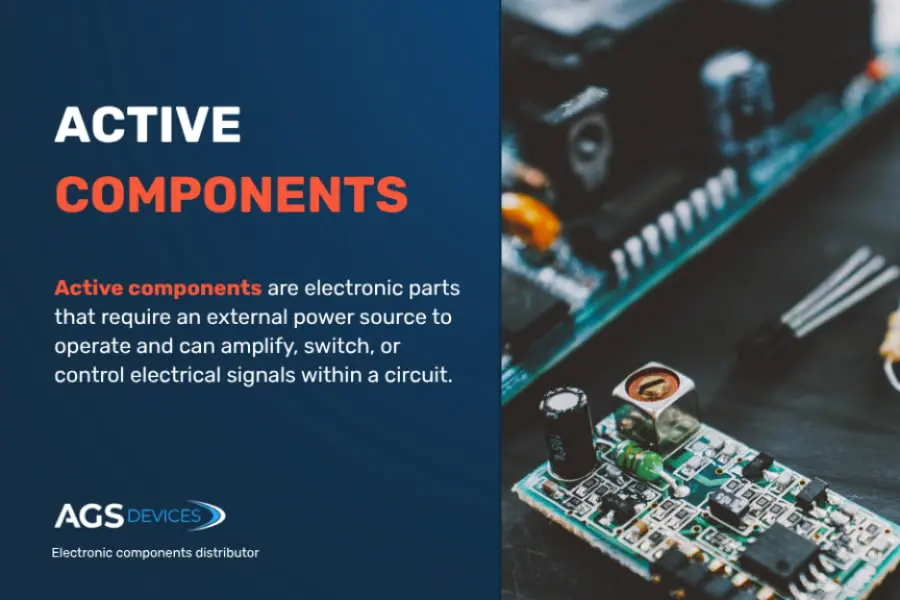
Are you curious about the difference between electrical and electronic components? You might think they’re the same, but understanding how they differ can make a big difference in your projects or daily life.
Whether you’re working on a DIY gadget or just want to know how your devices work, knowing these basics will give you an edge. Keep reading, and by the end, you’ll see components in a whole new light. This simple knowledge could save you time, money, and frustration.
Ready to uncover the secrets behind these essential parts? Let’s dive in.
Basic Concepts
Understanding the basic concepts of electrical and electronic components can feel like deciphering a complex puzzle. Yet, breaking it down into digestible bits can make this distinction crystal clear. By knowing the fundamental differences, you can better appreciate how these components power our modern world.
Definition Of Electrical Components
Electrical components are the building blocks of any electrical circuit. They are designed to control the flow of electrical energy. Think of switches, fuses, and circuit breakers—these devices enable you to safely manage electricity.
Electrical components generally deal with higher currents and voltages. They are essential in powering large appliances and infrastructure. Next time you switch on your washing machine, remember it’s these components doing the heavy lifting.
Definition Of Electronic Components
Electronic components, on the other hand, are all about precision and control. They manipulate electrical signals to perform specific tasks. Transistors, diodes, and microchips are common examples.
These components work with smaller currents and voltages, making them ideal for delicate operations. The smartphone in your pocket relies heavily on electronic components to function seamlessly. Have you ever wondered how such a tiny device can perform so many tasks? The answer lies in the magic of electronic components.
Understanding these basics can dramatically change how you view the devices you use daily. Are you ready to explore more about how these components shape our everyday lives?

Credit: www.youtube.com
Core Functions
Understanding the core functions of electrical and electronic components helps you grasp how devices around you actually work. Both types of components are crucial, but they serve very different purposes in circuits and systems. Let’s break down what each type really does to power and control your gadgets.
Role Of Electrical Components
Electrical components primarily handle the flow of electrical power. They are designed to control, switch, or convert electrical energy without changing its form significantly.
Think about a simple light switch or a fuse. These components either allow electricity to pass through or stop it, protecting your devices and home wiring.
Electrical components are often built to carry high current loads and can be found in household wiring, motors, and power distribution systems. Their main job is to ensure that electricity reaches the right places safely and efficiently.
Role Of Electronic Components
Electronic components, on the other hand, deal with controlling electrical signals rather than just power. They manipulate small currents to process information and perform complex functions.
Take a transistor in a smartphone—it acts like a tiny switch or amplifier, controlling signals to enable functions like calling, texting, or browsing the internet.
These components are essential in computers, communication devices, and sensors. They work with low voltage and current to manage data, make decisions, and carry out intricate tasks.
Have you ever wondered how your device knows to adjust brightness or volume automatically? That’s electronic components at work, shaping your interaction with technology.
Common Examples
Understanding the common examples of electrical and electronic components helps you see their different roles clearly. Both types are essential in everyday devices, yet they serve different functions. Recognizing these examples can make your projects and repairs more precise.
Typical Electrical Components
Electrical components mainly handle the flow of electric current without altering signals. They are usually simple and deal with high voltage or power levels.
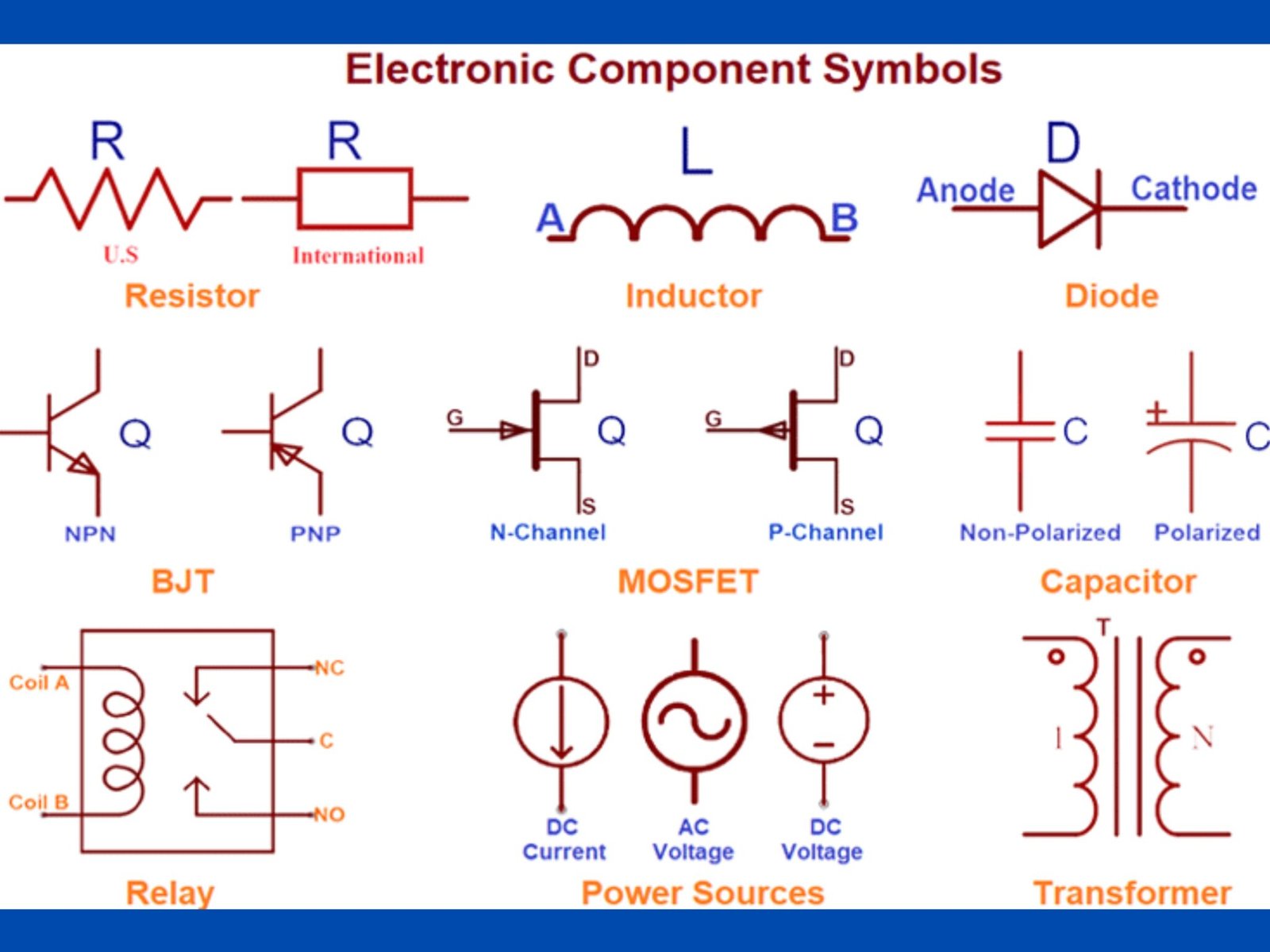
- Resistors:Control current by providing resistance.
- Switches:Open or close circuits to start or stop electricity flow.
- Fuses:Protect circuits by breaking the connection if current gets too high.
- Transformers:Change voltage levels to suit different devices.
- Motors:Convert electrical energy into mechanical movement.
Have you ever noticed how a simple switch can control a whole room’s lighting? That’s electrical components at work—direct and powerful.
Typical Electronic Components
Electronic components manage the flow of electrons to process information. They work with low voltage and handle complex tasks like amplification and signal processing.
- Diodes:Allow current to flow in one direction only, useful in signal control.
- Transistors:Act as switches or amplifiers in circuits.
- Capacitors:Store and release electrical energy quickly.
- Integrated Circuits (ICs):Miniature circuits that perform complex functions.
- Microcontrollers:Tiny computers that control devices and processes.
Think about your smartphone—it relies heavily on electronic components like transistors and microcontrollers to function. Without them, modern devices wouldn’t be possible.
Operating Principles
Understanding the operating principles of electrical and electronic components helps you grasp how each functions within a circuit. These principles define the behavior and purpose of the components you use in your projects. Knowing the difference can improve your troubleshooting skills and enhance your design choices.
How Electrical Components Work
Electrical components primarily deal with the flow of electric current. They operate on basic principles like resistance, voltage, and current to control or convert electrical energy.
Take a resistor, for example. It limits current flow by providing resistance, which helps protect other parts of the circuit from too much current. Simple devices like switches control the connection or disconnection of current paths.
These components usually handle higher voltages and currents without changing the signal itself. Their main role is to manage power, not to process information.
How Electronic Components Work
Electronic components manipulate electrical signals to perform tasks like amplification, switching, or signal modulation. They rely on semiconductor materials and complex behaviors of electrons inside them.
Consider a transistor. It can amplify weak signals or act as an electronic switch, controlling the current flow based on input signals. This ability is the foundation of modern electronics like computers and smartphones.
Electronic components often work with low voltages and currents, focusing on processing and controlling data rather than just power. Can you imagine how different your gadgets would be without these tiny but powerful parts?
Power Consumption And Signal Types
Power consumption and signal types are key differences between electrical and electronic components. Understanding these aspects helps in choosing the right parts for any project. They affect how devices operate and perform.
Power Use In Electrical Components
Electrical components usually handle high power levels. They consume more energy to perform simple tasks like switching or conducting electricity. For example, motors and transformers draw significant power to operate.
These components often work with alternating current (AC) or direct current (DC) at higher voltages. Their main role is to control or transfer electrical power. Efficiency is important but not as critical as in electronic parts.
Signal Handling In Electronic Components
Electronic components process low power signals. They deal with small voltages and currents to control information flow. Examples include transistors, diodes, and integrated circuits.
These components handle different signal types such as analog and digital. Analog signals are continuous, while digital signals use discrete levels like 0 and 1. Electronic parts amplify, switch, or modify these signals for various functions.

Credit: www.youtube.com
Applications And Usage
Understanding the applications and usage of electrical and electronic components helps clarify their roles in daily life and technology. Both types of components serve important purposes but function differently based on their design and capabilities. Their uses vary widely across household, industrial, and technological fields.
Electrical Components In Daily Life
Electrical components control and manage the flow of electric power. They are found in many everyday items. Common examples include:
- Switches that turn lights on and off
- Fuses and circuit breakers for safety
- Motors in household appliances like fans and washing machines
- Transformers that adjust voltage levels
- Wires and connectors that carry electricity
These components handle high power and are essential for running homes and businesses. Their main job is to deliver and control electricity safely and efficiently.
Electronic Components In Technology
Electronic components process and control small electrical signals. They are the building blocks of modern technology. Key examples include:
- Microchips and integrated circuits in computers and smartphones
- Diodes and transistors in amplifiers and radios
- Capacitors and resistors that regulate current and voltage
- Sensors that detect changes in environment
- LEDs used for displays and indicators
These components enable devices to perform complex tasks. They work with low power and allow for data processing and communication.
Material Differences
Understanding the material differences between electrical and electronic components helps you grasp why they behave so differently in circuits. The materials used in each type influence how they conduct electricity, manage heat, and interact with other parts. This difference shapes everything from durability to functionality.
Materials In Electrical Components
Electrical components mainly use materials that conduct electricity efficiently and handle high currents. Metals like copper and aluminum are common because they offer low resistance and excellent durability. These materials ensure stable power flow in devices like wires, switches, and transformers.
Insulating materials such as rubber, plastic, and ceramic are also crucial. They prevent unwanted current flow and protect users from electric shocks. Think about the thick rubber coating on power cables—that’s not just for looks; it’s safety in action.
Materials In Electronic Components
Electronic components rely heavily on semiconductors, primarily silicon, which control electrical signals precisely. Unlike metals, these materials can act as conductors or insulators depending on conditions, allowing complex functions like amplification and switching.
Other materials include gallium arsenide and germanium, used in specialized devices for faster processing or specific frequency responses. You’ll also find tiny amounts of metals like gold and silver used as connectors to ensure reliable, low-resistance contacts.
Have you ever wondered why your smartphone chips are so small yet so powerful? It’s the clever use of these semiconductor materials that makes it possible. Understanding these material choices can help you appreciate the design decisions behind your everyday gadgets.
Maintenance And Durability
Maintenance and durability play a crucial role in how electrical and electronic components perform over time. Understanding the differences in their upkeep can save you from unexpected failures and costly replacements. Let’s look at how these components differ when it comes to lasting power and care.
Longevity Of Electrical Components
Electrical components, like switches and wires, tend to have a longer lifespan because they are simpler devices. They usually handle higher currents and voltages without complicated internal parts that can wear out quickly.
For example, a well-maintained circuit breaker can last decades with minimal attention. You can extend their life by preventing exposure to moisture, dust, and extreme temperatures. Regular inspections to check for corrosion or loose connections are often enough to keep them reliable.
Care For Electronic Components
Electronic components such as microchips and transistors are more sensitive and require careful handling. They operate at low voltages and can easily be damaged by static electricity or overheating.
Keeping your electronic devices cool and clean is essential. Using anti-static tools when working on circuit boards and avoiding physical shocks can prevent premature failure. Have you ever noticed how a small drop can ruin an expensive gadget? That’s why gentle care matters.
Future Trends
Looking ahead, the future of electrical and electronic components promises exciting changes that could reshape how you interact with technology. Both fields are evolving rapidly, driven by new materials, smarter designs, and a growing demand for efficiency. Understanding these trends can help you stay ahead in your projects and daily tech use.
Advancements In Electrical Components
Electrical components are becoming more durable and energy-efficient. Manufacturers are now using advanced materials like graphene and improved ceramics to enhance conductivity and reduce heat loss.
Smart grids and renewable energy integration are pushing the need for components that can handle higher voltages and complex power management. Imagine a future where your home appliances automatically adjust their power usage to save energy without you lifting a finger.
Are you ready to upgrade your electrical systems to these smarter, eco-friendly solutions? Keeping an eye on these advancements can save you money and reduce your carbon footprint.
Innovations In Electronic Components
Electronic components are shrinking in size while increasing in power. New developments in semiconductor technology allow chips to perform faster and use less energy.
Flexible electronics and wearable tech are growing fields, creating components that bend and stretch with your movements. This opens doors to health monitors, smart clothing, and more interactive gadgets.
Think about how these tiny, powerful components could change your daily devices. Will your next smartphone or laptop be lighter, smarter, and more responsive thanks to these innovations?
Credit: mscpl.in
Frequently Asked Questions
What Distinguishes Electrical From Electronic Components?
Electrical components manage high voltage and current for power. Electronic components control low voltage signals for data processing and communication.
Are Electrical And Electronic Components Interchangeable?
No, electrical parts handle power, while electronic parts control signals. Using them interchangeably can damage devices or cause malfunction.
How Do Electrical Components Impact Circuit Design?
Electrical components focus on power distribution and protection. They ensure current flows safely and efficiently in a circuit.
What Role Do Electronic Components Play In Devices?
Electronic components process information, amplify signals, and perform logical operations. They enable smart functions in modern gadgets.
Conclusion
Electrical and electronic components serve different purposes. Electrical parts handle high power and simple tasks. Electronic parts work with low power and complex signals. Both are important in technology and daily life. Knowing their differences helps in choosing the right parts.
This knowledge makes learning and working with devices easier. Keep exploring to understand how each component works. It leads to better decisions in projects or repairs. Understanding basics builds a strong foundation in electronics and electrical fields.
Leave a Reply