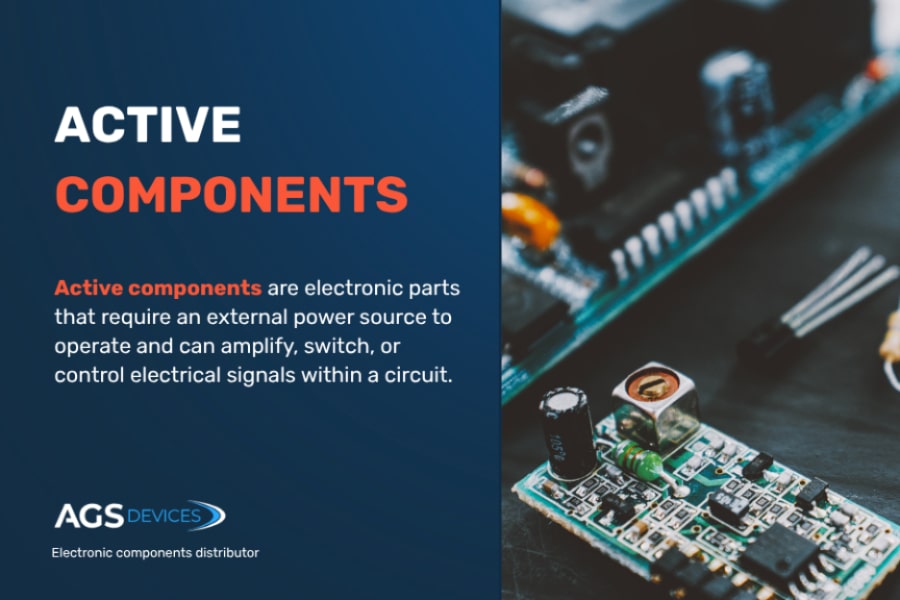
Have you ever wondered what makes your smartphone light up or your favorite gadget work smoothly? The secret lies in tiny parts called electronic components.
These small pieces play a huge role in powering the devices you use every day. Understanding their importance can change the way you see technology and even help you make smarter choices when buying or repairing electronics. Keep reading to discover why electronic components matter so much and how they impact your daily life in ways you might not expect.
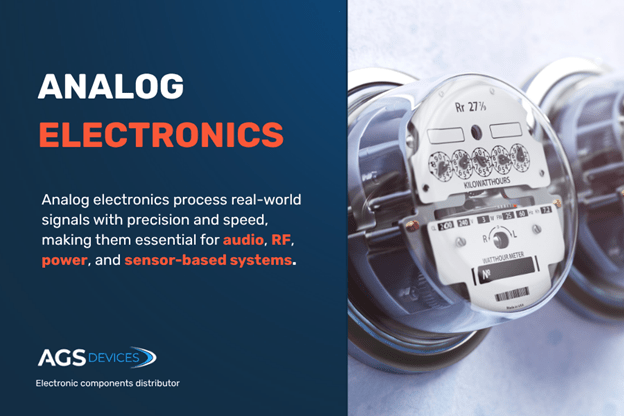
Credit: www.agsdevices.com
Role Of Electronic Components
Electronic components form the backbone of every device you use daily. Their role extends beyond simple parts; they control, regulate, and enable complex electronic functions. Understanding their role helps you appreciate how technology fits seamlessly into your life and work.
Controlling Electrical SignalsElectronic components control the flow of electrical signals in a circuit. Components like transistors and diodes act as switches or amplifiers. This control is essential for devices to perform specific tasks, such as turning your smartphone screen on or off.
Regulating Power SupplyPower regulation keeps devices running safely and efficiently. Components like capacitors and voltage regulators smooth out fluctuations in power. Have you noticed how your laptop doesn’t shut down suddenly even during minor power dips? That’s the work of these components.
Storing and Processing DataMemory chips store information that your devices need to operate. Microcontrollers process this data to execute commands. Without these components, your gadgets wouldn’t be able to remember settings or respond to your inputs.
Facilitating CommunicationElectronic components enable communication between devices. Wireless chips and antennas send and receive signals, connecting you to the internet or other gadgets. Consider how your wireless headphones pair effortlessly with your phone—this is thanks to communication-focused components.
Enabling User InteractionComponents such as sensors and switches allow you to interact with electronic devices. Touchscreens and buttons translate your actions into commands. Think about the last time you adjusted the volume on your TV; sensors made that simple interaction possible.
Enhancing Device Functionality
Electronic components play a crucial role in enhancing the functionality of devices. They enable your gadgets to perform tasks efficiently and reliably. Without these components, modern technology as you know it wouldn’t exist.
Boosting Performance and SpeedElectronic components like microprocessors and memory chips directly impact how fast and smoothly your device works. Faster processing means you can run multiple applications without lag or delay.
Think about how frustrating it is when your smartphone freezes during a call or your laptop takes forever to open a file. Quality components reduce these issues, making your experience seamless.
Components such as antennas, transceivers, and Bluetooth modules allow your devices to connect with others wirelessly. This connectivity is essential for smart home devices, wearable tech, and even your car’s infotainment system.
Imagine trying to stream music or navigate without reliable connectivity—would your device still feel useful? These components ensure you stay connected anytime, anywhere.
Supporting Energy Efficiency
Energy-efficient components like voltage regulators and power management ICs help extend your device’s battery life. This means you spend less time charging and more time using your device on the go.
Have you noticed how some gadgets last all day while others drain quickly? The difference often lies in the quality of their electronic components.
Enhancing User Interaction
Touchscreens, sensors, and buttons rely on specific electronic parts to respond accurately to your inputs. This responsiveness makes your interaction with devices intuitive and enjoyable.
Consider how frustrating it is when your phone’s touchscreen misses a tap or your remote control doesn’t respond. Well-designed components eliminate those frustrations.
Energy Efficiency And Conservation
Energy efficiency and conservation are vital in today’s world. Electronic components play a key role in reducing power consumption and saving energy. Efficient components help devices work longer on less power. This lowers electricity bills and reduces environmental impact.
Using energy-efficient electronic parts also supports sustainable technology development. These components minimize wasted energy during operation. They help create smarter, greener products that use resources wisely.
How Electronic Components Improve Energy Efficiency
Modern electronic components are designed to consume minimal power. Examples include low-power microcontrollers and energy-saving sensors. These parts reduce the energy needed for everyday devices like phones and home appliances.
Components with better efficiency generate less heat. This lowers cooling requirements and further reduces energy use. Efficient components extend battery life in portable devices, supporting longer usage without frequent charging.
Energy Conservation Through Smart Electronics
Smart electronics use advanced components to optimize energy use. Sensors detect usage patterns and adjust power accordingly. This prevents energy waste in idle or low-demand situations.
Examples include smart thermostats and lighting systems. These devices conserve energy by switching off or dimming when not needed. Electronic components make these functions possible by enabling precise control and communication.
Benefits Of Energy-efficient Components For The Environment
- Lower greenhouse gas emissions from reduced power consumption
- Less demand on non-renewable energy sources
- Reduced electronic waste due to longer device lifespan
- Promotion of eco-friendly product design and innovation
Energy-efficient electronic components contribute to a cleaner, healthier planet. They support global efforts to fight climate change and protect natural resources.
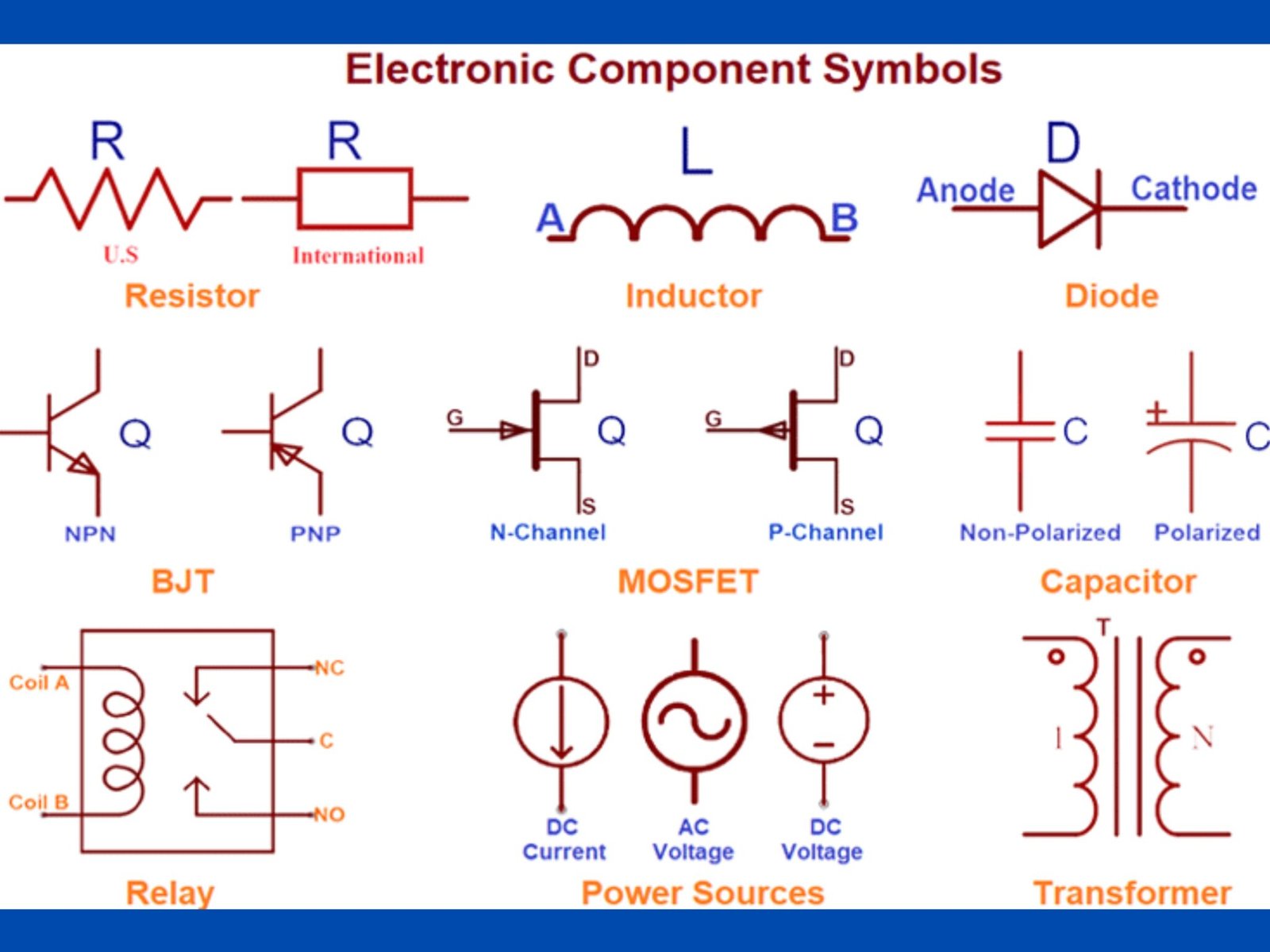
Credit: mscpl.in
Enabling Connectivity And Communication
Connectivity and communication define how we interact with the world today. Electronic components are the unseen heroes making these interactions seamless and fast. Without them, your smartphone calls, internet access, and even simple data transfers wouldn’t be possible.
Essential Role Of Microchips And Processors
Microchips and processors act as the brain of communication devices. They process signals and manage data flow efficiently. Think about how your smartphone handles multiple apps and calls simultaneously—this is the power of these tiny components.
Without reliable microchips, delays and errors in communication would be common. Have you ever experienced a dropped call or slow internet? That’s often due to limitations in these components.
Signal Transmission Through Transistors And Diodes
Transistors and diodes control the direction and amplification of electrical signals. They ensure that data travels correctly from one device to another. These components maintain signal strength over long distances, which is critical in networks like Wi-Fi and cellular.
Imagine streaming a video without these components—they keep your connection stable and your data intact. Next time your video buffers, consider how these parts are trying to keep up with your demand.
The Backbone: Capacitors And Resistors
Capacitors and resistors regulate voltage and filter noise in communication circuits. They protect sensitive components from power surges and maintain signal clarity. This regulation helps devices communicate without interference or data loss.
When your messages arrive clearly and your calls don’t crackle, these components are at work. It’s a subtle yet crucial function that often goes unnoticed.
Practical Impact On Everyday Devices
- Smartphones rely on these components to connect you globally.
- Routers and modems use them to manage internet traffic effectively.
- Wearable tech depends on them for real-time health monitoring and alerts.
What would your day look like without instant communication? Electronic components ensure you stay connected, informed, and efficient.
Miniaturization And Portability
Miniaturization and portability are key trends in electronics today. Smaller components allow devices to be compact and easy to carry. This shift makes technology more accessible and convenient for everyday use.
Devices like smartphones, wearables, and portable medical tools rely heavily on tiny electronic parts. These components enable functionality without adding bulk or weight. The result is technology that fits in pockets and travels anywhere.
Advancements In Miniaturization Technology
Modern manufacturing techniques shrink components to microscopic sizes. Engineers use materials that perform well at smaller scales. This progress leads to faster, energy-efficient, and reliable parts.
Miniaturization reduces space while maintaining or improving device performance. Circuit boards now hold more functions in less area. This development supports innovation in many tech fields.
Impact On Portable Devices
Smaller components directly improve portability. Devices become lighter and thinner, ideal for mobile lifestyles. People carry gadgets without discomfort or inconvenience.
Battery life also benefits from miniaturized parts. Efficient components use less power, extending device usage times. This advantage supports continuous connectivity and productivity.
Challenges Of Miniaturization
Designing small electronic parts requires precision and new materials. Heat dissipation and durability become harder to manage. Engineers face strict limits on size and function.
Manufacturing costs can rise due to complex processes. Testing and quality control must adapt to tiny components. Despite challenges, the benefits of miniaturization justify the effort.
Driving Technological Innovation
Electronic components form the backbone of modern technology. They enable new ideas to become real products. Innovation depends on these tiny parts working perfectly. Each component plays a role in creating smarter, faster, and more efficient devices.
Without electronic components, progress in fields like communication, healthcare, and transportation would stall. These parts help push boundaries and open doors to new possibilities. They are essential in designing devices that improve everyday life.
Enhancing Device Performance
Electronic components improve how devices function. They allow machines to be smaller and use less energy. This leads to longer battery life and faster processing speeds. Better performance means users get more reliable and efficient products.
Enabling New Technologies
New components make new technologies possible. For example, sensors and microchips allow smart homes and wearable devices. These parts create opportunities for innovation in many industries. They help inventors bring fresh ideas to market.
Reducing Costs And Increasing Accessibility
Advances in electronic components help lower production costs. Cheaper parts mean more affordable devices for consumers. This makes technology accessible to a wider audience. More people can benefit from the latest innovations.
Driving Sustainable Solutions
Electronic components support eco-friendly technology. They help build energy-saving appliances and renewable energy systems. Using better parts reduces waste and power consumption. This supports a cleaner and greener future.
Supporting Automation And Robotics
Electronic components are the backbone of automation and robotics. They enable machines to perform tasks with speed and accuracy. Without these components, modern automated systems could not function.
Automation relies on sensors, microcontrollers, and actuators. These parts collect data, process it, and control movements. Robotics combines these elements to create intelligent machines that mimic human actions.
Enhancing Precision And Control
Electronic components allow robots to operate with high precision. Sensors provide real-time feedback about the environment. Microcontrollers process this information to adjust actions instantly. This control helps machines work safely and efficiently.
Enabling Real-time Decision Making
Automation systems require quick decisions. Electronic components like processors and memory chips store and analyze data fast. This ability ensures machines respond immediately to changes, reducing errors and downtime.
Supporting Complex Task Execution
Robots perform complex tasks by combining multiple components. Motors, sensors, and controllers work together seamlessly. This coordination allows robots to handle delicate and repetitive jobs accurately.
Improving Energy Efficiency
Modern electronic parts optimize power use in automation. Efficient chips reduce energy consumption during operation. This improvement lowers costs and supports sustainable practices in industries.
Facilitating Communication And Connectivity
Electronic components enable machines to communicate with each other. Networking chips and modules link devices for coordinated work. This connectivity improves system performance and monitoring.

Credit: www.agsdevices.com
Promoting Safety And Security
Electronic components play a crucial role in promoting safety and security in our daily lives. They help prevent accidents, protect valuable data, and keep environments secure. Understanding how these components contribute to safety can help you appreciate their importance beyond just technology.
Enhancing Fire And Hazard Detection
Smoke detectors and fire alarms use sensors and circuits to detect smoke or heat quickly. These electronic components trigger alarms that alert you before a fire can spread.
Have you ever thought about how fast a smoke detector can save your life? Their quick response depends entirely on reliable electronic parts working smoothly.
Securing Your Home And Workplace
Security systems rely on electronic components like motion sensors, cameras, and alarm circuits. These parts work together to detect unauthorized entry and alert you instantly.
Imagine leaving your home without worrying about break-ins. Well-maintained electronic security devices make that possible by keeping threats at bay.
Protecting Data And Privacy
Electronic components in encryption devices and secure networks guard sensitive information from hackers. They create layers of protection that keep your personal data safe.
Think about how many passwords you use daily. Electronic security helps ensure those passwords and your private info don’t fall into the wrong hands.
Ensuring Safe Operation Of Vehicles
Modern vehicles use electronic components to control airbags, anti-lock brakes, and collision avoidance systems. These features reduce accidents and protect passengers.
Have you noticed how your car warns you when you’re too close to another vehicle? That’s electronic safety technology at work, designed to protect you and others on the road.
Impact On Consumer Electronics
Electronic components are the heart of consumer electronics. They enable devices to operate smoothly and efficiently. Without these components, gadgets like smartphones, laptops, and smart TVs would not function. Their impact reaches every part of our daily tech experience.
These small parts control power, processing, and communication in devices. They help make electronics smaller, faster, and more reliable. Consumers benefit from improved performance and longer device life. The demand for better technology pushes the development of advanced components.
Improved Device Performance
Electronic components enhance the speed and accuracy of devices. Microchips and processors handle complex tasks quickly. Sensors detect changes and adjust device functions automatically. This leads to smoother user experiences and faster responses.
Miniaturization Of Electronics
Smaller components allow devices to be compact and portable. Smartphones and wearables fit comfortably in pockets and on wrists. Miniaturization also reduces power consumption. This extends battery life and improves device convenience.
Cost Reduction And Accessibility
Mass production of components lowers manufacturing costs. Affordable electronics reach a wider audience worldwide. Consumers enjoy access to modern technology at lower prices. This drives higher adoption rates of new devices.
Innovation In Features
Advanced components enable new functions in gadgets. Touchscreens, wireless charging, and high-resolution cameras are possible. These features improve device usability and appeal. Innovation keeps consumer electronics exciting and useful.
Economic Contributions
Electronic components play a vital role in the global economy. They support many industries and create a wide range of jobs. These small parts help build devices that power everyday life. The economic impact of electronic components is vast and growing.
From manufacturing to sales, these components drive business and trade. Countries invest heavily in electronic component industries to boost their economies. The sector also encourages innovation and technology development, which fuels economic growth.
Job Creation And Employment Opportunities
Electronic components create millions of jobs worldwide. These jobs range from factory workers to engineers and sales teams. The industry offers roles in design, production, testing, and distribution. Many communities rely on these jobs for steady income and growth.
Boosting Manufacturing And Export
Manufacturing electronic components fuels industrial growth. Many countries export these parts to global markets. Exports bring valuable income and improve trade balances. This creates a positive cycle of investment and development.
Supporting Small And Medium Enterprises
Small and medium businesses benefit from electronic component demand. These businesses supply parts, services, and support to larger firms. They help diversify the economy and create local wealth. Growth in this sector often leads to more entrepreneurship.
Driving Innovation And New Technologies
Electronic components enable the development of new products. Innovations in health, communication, and transport rely on these parts. This drives investment in research and development. Economic progress depends on constant technological improvement.
Enhancing Productivity Across Industries
Many industries use electronic components to improve efficiency. Automation and smart devices reduce costs and increase output. This raises profits and competitiveness. Higher productivity leads to stronger economic performance.
Frequently Asked Questions
What Are Electronic Components And Their Functions?
Electronic components are basic parts like resistors and capacitors. They control electric current and signal flow in devices, enabling functionality and performance.
Why Are Electronic Components Crucial In Modern Technology?
Electronic components form the backbone of all electronic devices. They enable smart functions, improve efficiency, and support innovation in technology.
How Do Electronic Components Impact Device Reliability?
High-quality electronic components ensure stable performance and durability. They reduce device failures and maintenance needs, enhancing overall reliability.
What Role Do Electronic Components Play In Energy Efficiency?
Electronic components regulate power usage and minimize energy loss. Efficient components help lower power consumption and support sustainable technology solutions.
Conclusion
Electronic components play a key role in today’s technology. They help devices work smoothly and efficiently. Without them, many tools and machines would not function. These small parts connect circuits and control power flow. They make life easier and more comfortable.
Understanding their importance shows how much we depend on technology daily. Every gadget we use has these parts inside. They keep advancing, bringing new possibilities for the future. Electronic components truly shape the modern world around us.
Leave a Reply