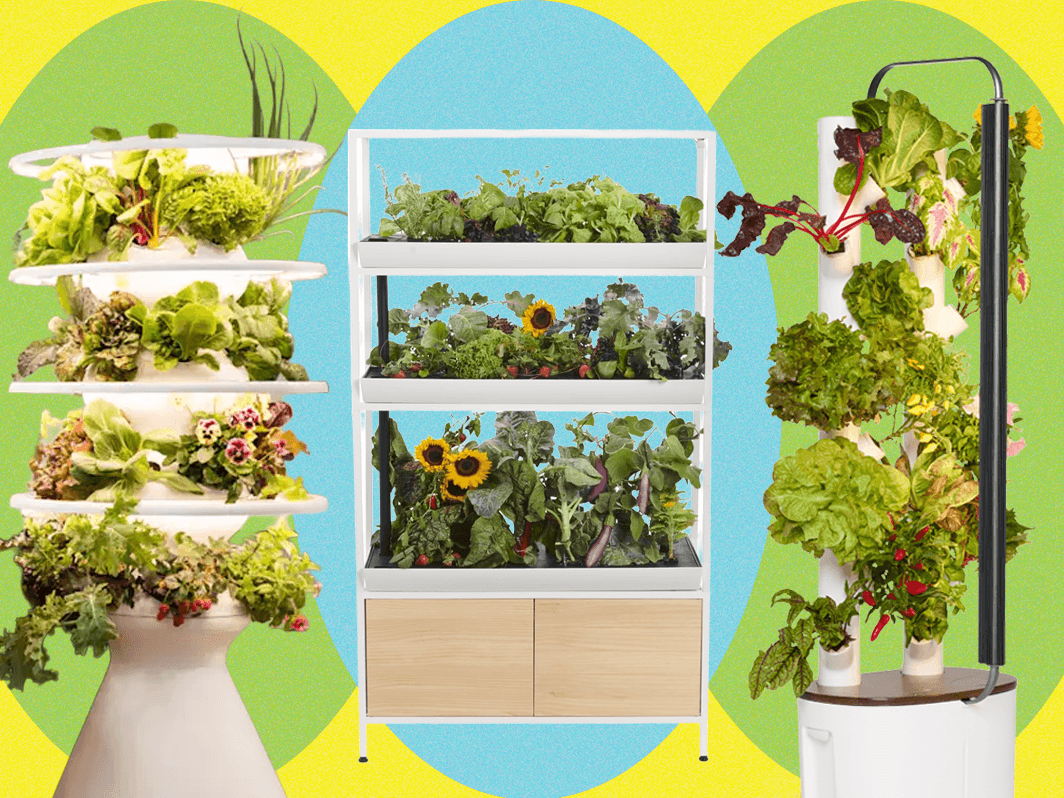
Are you ready to grow fresh, healthy plants without spending hours on upkeep? Choosing the right hydroponics system can make all the difference, especially if you want something that fits easily into your busy life.
But with so many options out there, how do you find the most low maintenance hydroponics system that still delivers great results? You’ll discover the easiest way to enjoy thriving plants with minimal effort. Keep reading, and you’ll soon have a simple, stress-free setup that works perfectly for you.
Basics Of Hydroponics
Hydroponics is a method of growing plants without soil. Instead, plants grow in a water-based solution rich in nutrients. This system allows plants to get exactly what they need to grow fast and healthy.
Many people choose hydroponics for its efficiency and control. It uses less water than traditional gardening. It also takes up less space, making it ideal for small areas or indoors.
Definition And Benefits
Hydroponics means “working water” in Greek. It is a soil-free way to grow plants using nutrient solutions. The roots get oxygen, water, and nutrients directly from this solution.
- Faster plant growth
- Less water usage
- Fewer pests and diseases
- Year-round growing possible
- Space-saving design
Comparison With Traditional Gardening
Traditional gardening uses soil to grow plants outdoors. Plants rely on natural sunlight, rain, and soil nutrients. This method can be slow and affected by weather.
Hydroponics differs by controlling all growth factors. It uses less water and no soil. Plants often grow faster and yield more in hydroponics.
| Feature | Traditional Gardening | Hydroponics |
|---|---|---|
| Water Usage | High | Low |
| Growth Speed | Slower | Faster |
| Space Needed | Large | Compact |
| Pest Problems | Common | Minimal |
Types Of Hydroponic Systems
Hydroponic systems vary in design and complexity. Each system delivers nutrients and water differently. Choosing the right type affects how much care your plants need. Some systems require daily attention. Others work almost on their own. Understanding these types helps pick the easiest system to maintain.
Nutrient Film Technique (nft)
NFT uses a thin stream of nutrient solution flowing over plant roots. The roots get oxygen from the air and nutrients from the water. This system needs a pump to keep the water moving. It works well for small, fast-growing plants. Monitoring the pump and nutrient levels is important for healthy plants.
Deep Water Culture (dwc)
DWC suspends plant roots in a nutrient-rich oxygenated water tank. Air stones provide oxygen to the roots. This system is simple and great for beginners. It requires checking oxygen levels and water quality regularly. Plants grow quickly with proper care and minimal effort.
Ebb And Flow System
This system floods the plant roots with nutrient solution, then drains it back. Flooding and draining happen in cycles controlled by a timer. It supports many plant types and sizes. The system needs regular checks for pump and timer function. It offers good oxygen supply and nutrient access.
Wick System
The wick system uses a wick to draw nutrient solution to the plant roots. No pumps or electricity needed. It is the simplest and most low maintenance system. Best for small, low-water plants like herbs. Plants may grow slower because nutrient flow is passive.
Aeroponics
Aeroponics sprays nutrient mist directly onto the roots hanging in air. This method provides high oxygen and nutrient exposure. It needs precise control of misting and humidity. Aeroponics requires more equipment and regular maintenance. It suits experienced growers wanting fast growth and high yields.
Low Maintenance Hydroponic Systems
Low maintenance hydroponic systems make growing plants easier and less time-consuming. These systems require less attention but still provide healthy plant growth. They suit beginners and busy gardeners who want fresh produce without daily care. Choosing the right system helps save effort and resources.
Characteristics Of Low Maintenance Systems
- Simple design with fewer moving parts to reduce breakdowns
- Automated water and nutrient delivery to minimize manual work
- Stable environment that supports steady plant growth
- Systems that recycle water and nutrients efficiently
- Low energy use to keep operating costs down
- Easy cleaning and maintenance processes
Key Considerations For Choosing
- Space available for setup, indoors or outdoors
- Types of plants you want to grow
- Budget for initial setup and running costs
- Level of automation preferred to reduce manual work
- Access to quality nutrient solutions and water
- Durability and material quality of the system

Credit: growguru.co.za
Why Wick System Stands Out
The wick system stands out as the most low maintenance hydroponics system because it requires minimal effort and equipment to keep your plants thriving. Its simplicity makes it perfect for beginners or anyone looking to grow plants without constant monitoring. You don’t need pumps, electricity, or complex setups—just a few basic materials and patience.
How Wick System Works
The wick system uses a simple material, like cotton or nylon string, to draw nutrient solution from a reservoir to the plant roots. This process is called capillary action. The wick acts like a tiny water pipeline, delivering nutrients directly to the plants whenever they need it.
Because there are no moving parts or pumps, the system runs quietly and smoothly. You just have to keep the reservoir filled with water and nutrients. This makes it easy to manage, especially if you have a busy schedule or limited space.
Benefits Of Wick System
- Low maintenance:No electricity or pumps to break down or clean.
- Cost-effective:Requires only basic materials that are easy to find.
- Quiet operation:No noise, making it suitable for indoor environments.
- Easy to set up:Great for beginners or small-scale growers.
- Consistent nutrient supply:The wick delivers nutrients continuously as needed.
In my experience, the wick system allowed me to grow herbs on my apartment windowsill without any daily fuss. It’s perfect if you want fresh greens but don’t want to become a full-time gardener.
Limitations And Solutions
One challenge with wick systems is that they struggle to deliver enough water to larger or thirsty plants. The capillary action can only move so much nutrient solution at a time.
To solve this, choose smaller plants like lettuce, spinach, or herbs, which thrive well in this setup. Another tip is to use thicker or multiple wicks to increase the flow of nutrients.
Also, keep an eye on the wick material—if it dries out or gets clogged, nutrient delivery stops. Regularly check and replace the wick if needed to avoid this problem.
Are you ready to try a hydroponics system that fits your busy lifestyle and still gives you fresh, home-grown produce? The wick system might be the simplest step to start with.
Choosing The Right System For You
Choosing the right hydroponics system affects your success and enjoyment. Different systems need different levels of care and space. Picking a system that fits your lifestyle is important. A low maintenance system makes growing easier and more fun. It also saves time and effort. Consider your space, budget, and plants before deciding.
Assessing Your Space And Resources
Start by checking the space available for your hydroponics setup. Small areas work best with compact systems. Make sure there is enough light, either natural or artificial. Think about access to water and electricity. Choose a system that fits your space without crowding. Simple systems need fewer tools and parts. This reduces maintenance and cost.
Budget Considerations
Hydroponics systems vary in price. Some need pumps, timers, and complex parts. Others use simple materials and less equipment. A low maintenance system usually costs less upfront and over time. Factor in costs for nutrients, seeds, and replacements. Pick a system that fits your budget. Avoid overspending on features you do not need.
Plant Types Suitable For Wick System
The wick system is one of the easiest hydroponics methods. It uses a simple wick to deliver nutrients to plants. This system works well for small, light-rooted plants. Good choices include:
- Lettuce
- Spinach
- Herbs like basil and mint
- Strawberries
These plants grow well without complex water flow. The wick system needs no pumps or electricity. It suits beginners and those with limited time. Choose plants that thrive in steady, gentle nutrient delivery.

Credit: medium.com
Setting Up A Wick Hydroponic System
Setting up a wick hydroponic system is one of the simplest ways to get started with hydroponics, especially if you want a low-maintenance option. This system works by using a wick to draw nutrient solution up to the plant roots, eliminating the need for pumps or electricity. It’s a quiet, energy-free method that suits beginners and busy gardeners alike.
Materials Needed
- Container for nutrient solution:A plastic or glass reservoir to hold your nutrient mix.
- Growing container:A pot or tray where you’ll place your plants and growing medium.
- Wick material:Cotton rope or nylon cord that draws nutrients from the reservoir to the plants.
- Growing medium:Options like coconut coir, perlite, or vermiculite provide support and moisture retention.
- Nutrient solution:A balanced hydroponic fertilizer diluted in water.
- Plants or seeds:Choose easy-to-grow herbs or leafy greens for best results.
Step-by-step Setup Guide
Start by filling your nutrient reservoir with the prepared nutrient solution. Make sure the container is clean to prevent algae growth.
Next, place your wick so one end sits in the nutrient solution, and the other end extends into the growing container. The wick acts as a bridge, pulling nutrients upward to feed the roots.
Fill your growing container with the chosen growing medium. Plant your seeds or seedlings carefully, ensuring the wick touches the medium but doesn’t suffocate the roots.
Finally, position the growing container above the nutrient reservoir. Check regularly to ensure the wick stays wet and replenish the nutrient solution as it decreases.
Have you noticed how this simple setup lets you focus more on watching your plants grow rather than constant system maintenance? The wick system’s quiet and steady nutrient delivery means less daily work but consistent results.
Maintaining Your Hydroponic System
Maintaining your hydroponic system keeps plants healthy and growing strong. Regular care prevents problems before they start. It helps your system run smoothly and saves time in the long run.
Routine Checks And Adjustments
Check water levels daily to keep plants hydrated. Monitor the pH balance often; plants need the right pH to absorb nutrients. Adjust nutrient solution concentration as plants grow. Clean pumps and filters regularly to avoid blockages. Inspect roots for color and size to spot early issues. Replace water every two weeks to prevent buildup of salts or algae.
Common Issues And Troubleshooting
- Yellow leaves can mean nutrient deficiency or pH imbalance.
- Wilting may indicate low water levels or pump failure.
- Algae growth often occurs with excess light or poor cleaning.
- Root rot appears when water is stagnant or oxygen is low.
- Blockages in tubing reduce water flow and harm plants.
Address problems quickly to avoid bigger damage. Keep tools and spare parts ready for repairs. Learning to spot issues early improves plant health and yields.
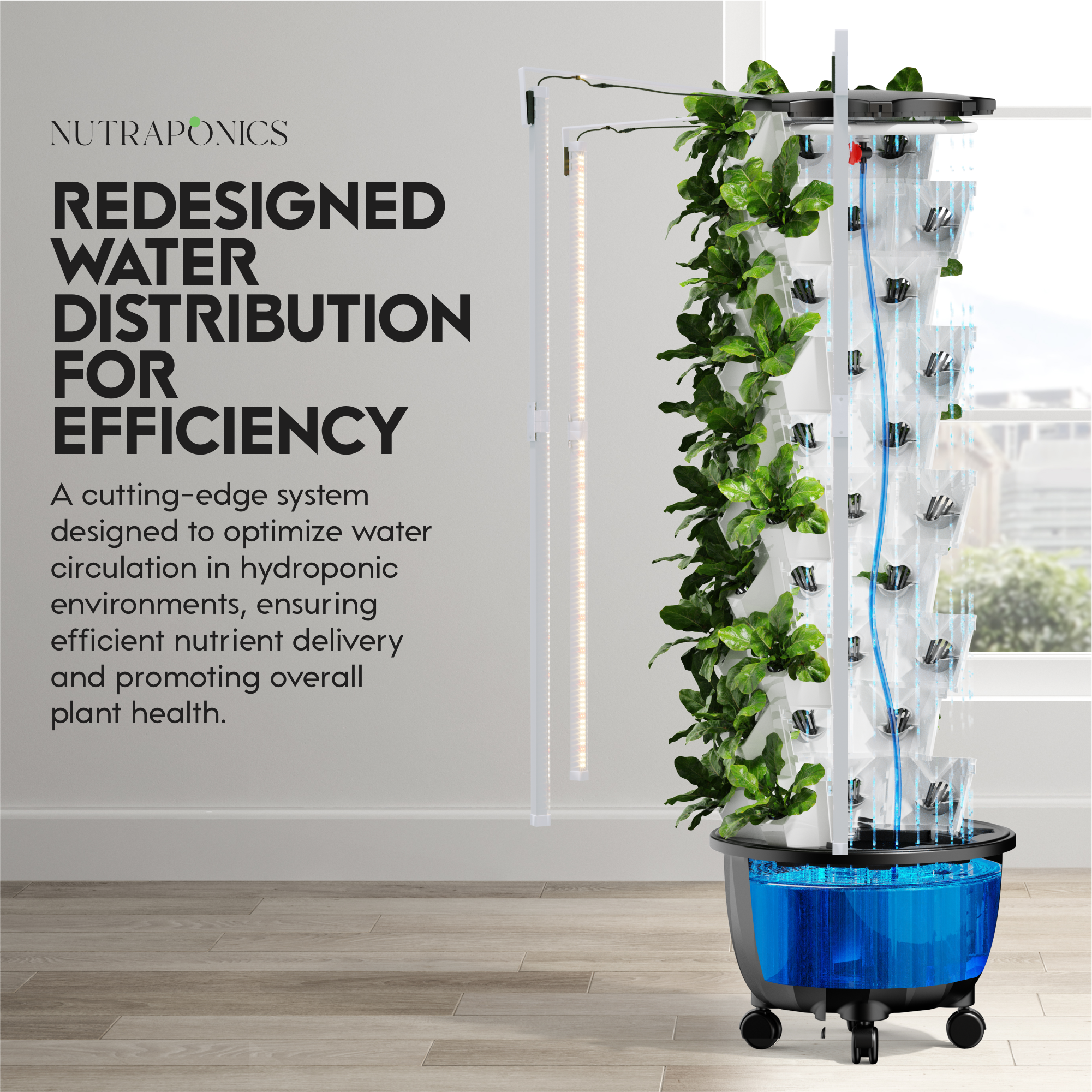
Credit: nutraponics.com
Tips For Success In Hydroponics
Success in hydroponics depends on careful attention to several key factors. Even the most low maintenance system needs regular care to thrive. Small actions can make a big difference. Understanding how to optimize growth, monitor nutrients, and manage pests ensures healthy plants and good yields.
Optimizing Growth Conditions
Plants need the right light, temperature, and humidity to grow well. Use a timer to keep light consistent. Maintain temperatures between 65°F and 75°F for most plants. Keep humidity levels moderate to avoid mold. Proper airflow helps keep plants healthy and strong.
Monitoring Nutrient Levels
Check nutrient solution regularly. Use a pH meter to keep pH between 5.5 and 6.5. Measure electrical conductivity (EC) to ensure nutrients are balanced. Change the nutrient solution every 1-2 weeks to avoid buildup. Clean tanks and equipment to prevent blockages and contamination.
Pest And Disease Management
Inspect plants daily for signs of pests or disease. Remove any damaged leaves immediately. Use natural pest controls like neem oil or insecticidal soap. Keep the growing area clean and dry. Quarantine new plants before adding them to the system to prevent spread of pests.
Frequently Asked Questions
What Is The Easiest Hydroponics System To Maintain?
The Kratky method is the easiest system to maintain. It requires no pumps or electricity. It’s simple and ideal for beginners seeking low maintenance.
Why Is Nft System Considered Low Maintenance?
NFT (Nutrient Film Technique) uses a thin nutrient flow. It reduces water and nutrient waste. Its constant flow helps prevent root diseases, lowering maintenance needs.
How Often Should I Check A Hydroponic System?
Check your system daily for water levels and nutrient balance. Regular checks prevent problems early, ensuring healthy plant growth with minimal effort.
Can Low Maintenance Systems Grow Large Plants?
Low maintenance systems work best for small to medium plants. Large plants may need more nutrients and support, increasing upkeep and complexity.
Conclusion
Choosing the most low maintenance hydroponics system saves time and effort. Systems like the wick or deep water culture need less care and monitoring. They are simple to set up and keep running smoothly. These systems suit beginners and busy gardeners alike.
Growing plants this way uses less water and space. With basic tools and a little patience, you can enjoy fresh herbs and vegetables. Start small, learn as you go, and watch your garden grow. Hydroponics can be easy and rewarding.
Give it a try!
Leave a Reply