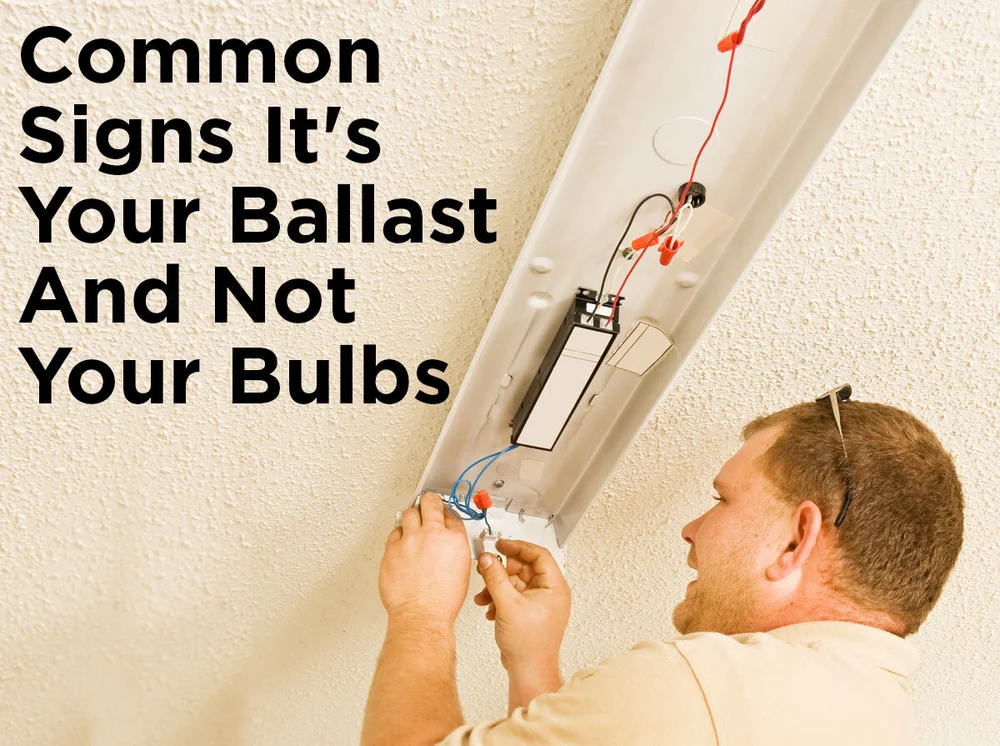
Imagine walking into your brand-new home. Every detail is perfect, right down to the lighting.
But have you ever wondered what powers those bright, energy-efficient lights? Enter the electronic ballast—a small, yet mighty component quietly revolutionizing the way we illuminate our spaces. If you’re curious about how this tiny device can enhance your living experience and save you money, you’re in the right place.
We’ll uncover why electronic ballasts are becoming a staple in new homes and how they can make your life brighter, literally and figuratively. Ready to discover the secret behind the glow? Let’s dive in!
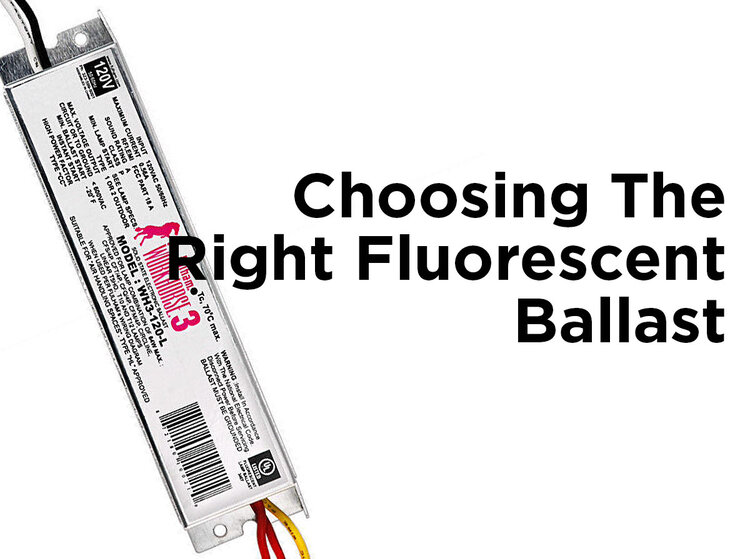
Credit: blog.1000bulbs.com
Electronic Ballast Basics
Understanding the basics of electronic ballasts can help you make smarter decisions when choosing lighting for your new home. These devices play a crucial role in modern lighting systems, especially with energy-efficient fluorescent and LED lamps. Knowing what they are and how they work gives you an edge in creating a bright, cost-effective living space.
What Is Electronic Ballast
An electronic ballast is a small device that controls the starting and operation of fluorescent or LED lamps. Unlike traditional magnetic ballasts, it uses electronic components to regulate the current and voltage. This results in more efficient lighting with less flicker and noise.
Electronic ballasts are compact and lightweight, making them ideal for new home installations where space and aesthetics matter. They also help extend the lifespan of your bulbs, which means fewer replacements and lower maintenance costs.
How It Works In Lighting Systems
The electronic ballast works by supplying the right amount of electrical power to the lamp. It first provides a high voltage to start the lamp, then quickly reduces the voltage to maintain a steady light output.
Because it operates at a higher frequency than magnetic ballasts, it eliminates flickering and buzzing sounds. This creates a more comfortable lighting environment for your home.
- Improves energy efficiency by using less power
- Produces stable light that is easier on your eyes
- Reduces heat output, keeping fixtures cooler
Have you noticed how some rooms feel brighter and more inviting? That could be the effect of electronic ballasts working behind the scenes to provide consistent, quality lighting.

Credit: www.youtube.com
Advantages In New Homes
Choosing the right lighting system for your new home can make a noticeable difference in comfort and costs. Electronic ballasts offer several key advantages that make them an excellent choice for modern residential lighting. Let’s look at how these benefits play out in everyday use.
Energy Efficiency Gains
Electronic ballasts consume significantly less power compared to traditional magnetic ballasts. This means you pay less on your electricity bill without sacrificing brightness or light quality. Have you ever noticed your lighting costs spike? Switching to electronic ballasts can help prevent that.
They also reduce flickering and provide instant start-up, which means your lights work efficiently the moment you switch them on. This efficiency adds up over time, especially in homes with many fixtures or frequent lighting use.
Longer Lifespan Benefits
Electronic ballasts tend to last much longer than their magnetic counterparts. This reduces the need for frequent replacements, saving you time and money on maintenance. Imagine not having to climb ladders to change bulbs or ballasts every few months.
The longer lifespan also means fewer disruptions in your daily routine. Your lighting system remains reliable, providing consistent illumination that supports your activities without unexpected failures.
Reduced Heat Emission
Another practical benefit is that electronic ballasts generate less heat. This helps keep your living spaces cooler, especially during warmer months, which can reduce the load on your air conditioning system.
Lower heat emission also contributes to a safer home environment by minimizing risks related to overheating electrical components. Have you ever felt a light fixture get too hot to touch? Electronic ballasts help avoid that discomfort.
Cost Savings Over Time
Electronic ballasts in new homes offer clear cost savings over time. These devices use less energy than traditional ballasts, lowering monthly bills. They also last longer, cutting down on repair and replacement costs. Investing in electronic ballasts can reduce overall expenses and improve home efficiency.
Lower Electricity Bills
Electronic ballasts consume less power than older models. This reduces electricity use without sacrificing light quality. Homes with these ballasts see a noticeable drop in energy bills. Savings add up over months and years, easing household budgets.
They also produce less heat, which lowers cooling costs. This benefit is especially valuable in warmer climates. Efficient energy use keeps homes comfortable and wallet-friendly.
Maintenance Expense Reduction
Electronic ballasts have longer lifespans and require fewer repairs. They reduce the need to replace light bulbs frequently. Fewer maintenance visits save both time and money.
Durability means fewer disruptions in lighting. This reliability is crucial for busy households. Spending less on maintenance frees up funds for other needs.
Environmental Impact
The environmental impact of using electronic ballasts in new homes goes beyond just saving energy. These devices play a crucial role in reducing pollution and managing resources more efficiently. Understanding how they contribute to a greener lifestyle can help you make smarter choices for your home and the planet.
Decreased Carbon Footprint
Electronic ballasts consume less electricity compared to traditional magnetic ballasts. This means your lighting system uses energy more efficiently, leading to lower greenhouse gas emissions from power plants.
Imagine your home lighting running smoothly while cutting down on the energy that contributes to climate change. Reducing energy use also means less demand for fossil fuels. Have you ever considered how small changes in your lighting can add up to a big difference in your carbon footprint?
Less Waste From Bulb Replacement
Electronic ballasts extend the life of fluorescent bulbs by providing a steady and controlled current. This reduces the frequency of bulb replacements, which means less waste ends up in landfills.
Think about the bulbs you’ve thrown away over the years. With electronic ballasts, you’ll replace bulbs less often, saving money and reducing environmental harm. How much waste could you prevent by upgrading your home’s lighting system?
Installation Considerations
Installing electronic ballasts in new homes needs careful thought. Proper installation ensures safety, efficiency, and long-lasting performance. Several factors affect the process, from fixture compatibility to who does the installation. These points help avoid common issues and guarantee the lighting system works well.
Compatibility With Fixtures
Electronic ballasts must match the lighting fixtures used. Not all ballasts fit every fixture type. Check the ballast’s specifications against the fixture’s requirements. Using the wrong ballast can cause flickering, noise, or early failure.
Look for:
- Voltage and wattage ratings
- Fixture type compatibility (fluorescent, LED, etc.)
- Size and mounting options
- Manufacturer recommendations
Choosing the right ballast keeps the lights bright and stable.
Professional Vs Diy Installation
Installing electronic ballasts involves electrical wiring and safety risks. Professionals have the tools and knowledge to do the job right. They follow local codes and ensure secure connections.
DIY installation may save money but carries risks:
- Incorrect wiring can cause shorts or shocks
- Improper mounting can damage the ballast or fixture
- Warranty void if not installed by a professional
For new homes, hiring a licensed electrician helps avoid problems and ensures code compliance. Professionals also test the system after installation for proper function.
Comparing Electronic And Magnetic Ballasts
Choosing the right ballast for your new home lighting can impact both the quality of light and your energy bills. Electronic and magnetic ballasts serve the same basic purpose, but they operate differently and offer unique benefits. Understanding these differences can help you make a smart choice that fits your needs.
Performance Differences
Electronic ballasts provide flicker-free lighting, which means you won’t notice that annoying blinking that magnetic ballasts sometimes cause. They also start lamps faster and run quieter, which is great if your lights are near living or working spaces.
Magnetic ballasts, on the other hand, can cause a humming noise and a slight flicker. But they are simple devices that have been used for decades and are very reliable in certain situations. Do you need perfectly steady light for reading or working? Electronic ballasts may suit you better.
Cost And Efficiency Comparison
| Feature | Electronic Ballast | Magnetic Ballast |
|---|---|---|
| Initial Cost | Higher | Lower |
| Energy Efficiency | Up to 20% more efficient | Less efficient |
| Lamp Life Extension | Extends lamp life | No significant extension |
| Maintenance | Less frequent | More frequent |
Even though electronic ballasts cost more upfront, they save money over time by using less electricity and extending lamp life. Magnetic ballasts are cheaper initially but may lead to higher energy bills and more frequent replacements.
Think about your priorities: Would you rather invest a bit more now and lower your bills later, or save money upfront and accept potential extra costs down the line? Your choice will affect your home’s lighting quality and your wallet.
Future Trends In Home Lighting
The future of home lighting is shifting towards smarter and more efficient solutions. Homes built today focus on energy savings and user-friendly controls. Electronic ballasts play a key role in lighting systems, improving performance and lifespan. New homes often include advanced lighting setups that adapt to daily needs and preferences.
Lighting is no longer just about brightness. It connects with technology to offer comfort and convenience. The integration of electronic ballasts supports this evolution by enhancing light quality and reducing energy use. Understanding upcoming trends helps homeowners make informed decisions about their lighting choices.
Smart Lighting Integration
Smart lighting systems allow easy control through smartphones and voice commands. Electronic ballasts work well with these systems to provide stable light output. They help create customized lighting scenes for different activities. Smart integration also enables automatic adjustments based on daylight or occupancy. This leads to better energy management and comfort in new homes.
Advancements In Ballast Technology
Ballast technology continues to improve with a focus on efficiency and durability. New electronic ballasts use less power and generate less heat. They support a wider range of lighting types, including LED and fluorescent. Improved designs reduce flickering and noise, enhancing the user experience. These advancements make ballasts more reliable and cost-effective for modern homes.
Credit: www.premium-electric.ca
Frequently Asked Questions
When Are Electronic Ballasts Used In New Homes?
Electronic ballasts are used in new homes to improve lighting efficiency. They regulate fluorescent and LED lamps, reducing flicker and energy consumption. They are ideal for modern homes aiming for energy savings and longer lamp life.
Why Choose Electronic Ballasts Over Magnetic Ones?
Electronic ballasts offer quieter operation and better energy efficiency than magnetic ballasts. They extend bulb life and reduce power usage. This makes them a preferred choice for new home lighting installations.
Do Electronic Ballasts Save Energy In New Homes?
Yes, electronic ballasts significantly reduce energy consumption. They operate lamps at optimal power levels, cutting waste. This leads to lower electricity bills and a smaller carbon footprint in new homes.
Are Electronic Ballasts Compatible With Led Lighting?
Most electronic ballasts are compatible with specific LED lamps. They ensure stable light output without flickering. Always check product specifications for compatibility before installation in new homes.
Conclusion
Electronic ballasts save energy and last longer in new homes. They reduce flickering and noise from lights. These ballasts help keep your lighting stable and bright. Using them can lower electricity bills over time. They fit well with modern lighting designs.
Choosing electronic ballasts supports a more efficient home. Simple upgrades like this make a big difference. Think about adding electronic ballasts for better lighting today.
Leave a Reply