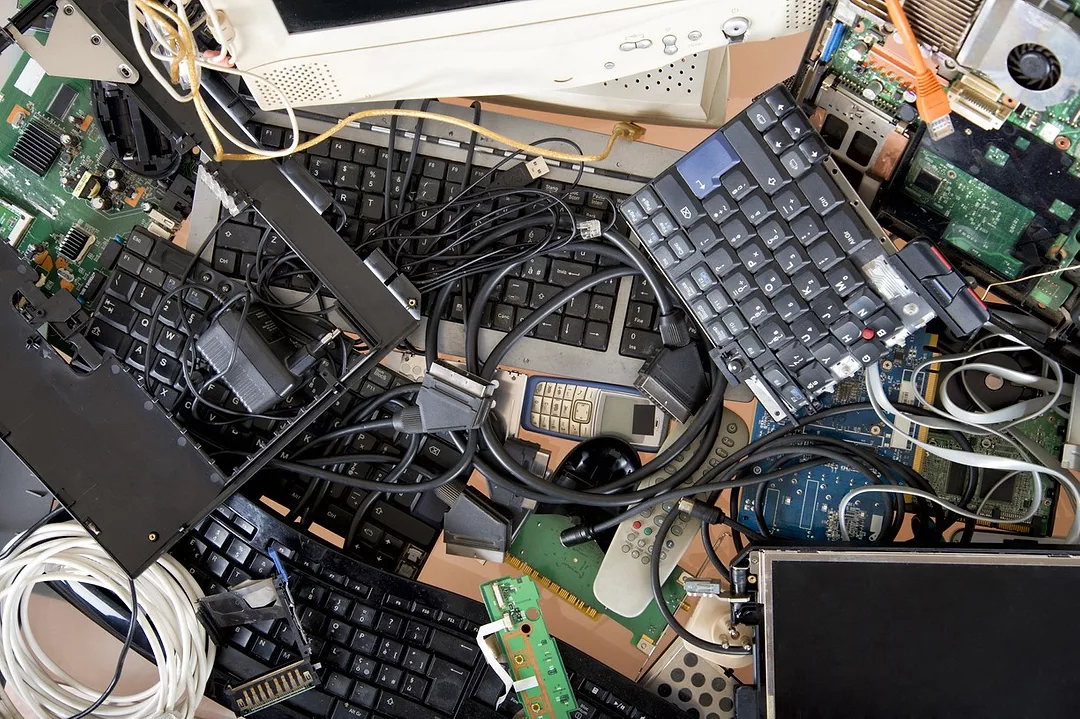
Have you ever wondered what happens to your old computer parts once you toss them away? You might think they just pile up in landfills, but computer companies have smart ways to recycle used electronic components.
This process not only helps protect the environment but can also save valuable resources. If you want to know how your old gadgets get a second life and why it matters, keep reading. Understanding this can change the way you think about your tech waste—and maybe inspire you to recycle more wisely.
E-waste Challenges
Electronic waste, or e-waste, is a growing problem that affects the environment and public health. Computer companies face tough challenges when recycling used electronic components because these materials often contain hazardous substances. Understanding these challenges helps you see why responsible recycling matters more than ever.
E-waste Volume And Complexity
The amount of e-waste generated worldwide is staggering. Millions of computers and devices become obsolete every year, creating a mountain of discarded components.
These components are not simple to recycle. They include metals, plastics, glass, and toxic materials mixed together, making separation difficult and costly.
Hazardous Materials Handling
Many electronic parts contain dangerous substances like lead, mercury, and cadmium. If not handled properly, these toxins can harm workers and contaminate soil and water.
Computer companies must follow strict regulations to safely dismantle and dispose of these materials. Are you aware of how improper disposal might affect your community?
Economic And Logistic Barriers
Recycling e-waste isn’t cheap. The process requires advanced technology and skilled labor to recover valuable materials efficiently.
Logistics also pose a challenge. Collecting and transporting used electronics to specialized recycling centers takes time and resources.
Data Security Concerns
Used computers often contain sensitive personal or corporate data. Ensuring complete data destruction before recycling is crucial to protect privacy.
Computer companies invest in secure data wiping techniques, but you should always verify that your devices are properly cleared before disposal.
Consumer Awareness And Participation
Recycling efforts depend heavily on consumers returning their old electronics. Unfortunately, many people keep unused devices or throw them in the trash.
Companies struggle to educate and motivate users to participate in recycling programs. How actively do you recycle your own electronics?
Collection And Sorting
Recycling used electronic components starts with an effective collection and sorting process. This step is crucial because it determines how efficiently materials are recovered and reused. Without proper collection and sorting, valuable resources could end up as waste, harming the environment and increasing costs.
Local Collection Programs
Many computer companies partner with local collection programs to gather used electronics from consumers and businesses. These programs often set up drop-off points at community centers, retail stores, or special recycling events.
Sometimes, you might find convenient curbside pickups or mail-in options, making it easier to recycle your old devices. Have you ever wondered how far your old computer travels before it gets recycled? Local programs help keep this process short and reduce carbon footprints.
By participating, you ensure your device goes to the right place instead of landfill. Plus, local programs often provide clear instructions on what items they accept, helping you avoid accidental contamination of recyclable materials.
Sorting Techniques
Once collected, electronic components must be sorted carefully to separate hazardous materials from valuable ones. Sorting can be manual, automated, or a mix of both, depending on the facility’s technology.
Workers or machines separate items into categories like metals, plastics, circuit boards, and batteries. This step is vital because different materials require different recycling methods.
Advanced facilities use technologies such as magnetic separation, optical scanners, and X-ray fluorescence to identify and sort components with high precision. Sorting also includes removing harmful substances like mercury and lead to prevent environmental damage.
Have you ever seen a recycling facility in action? Watching how quickly and accurately materials are sorted can change how you view electronic waste. Proper sorting reduces contamination and improves the quality of recycled materials, making the whole process more efficient and profitable.
Recycling Technologies
Recycling technologies play a crucial role in how computer companies handle used electronic components. These technologies help recover valuable materials while reducing electronic waste. Understanding these processes can change how you view the lifecycle of your gadgets.
Mechanical Processing
Mechanical processing involves physically breaking down electronic devices into smaller parts. This includes shredding, crushing, and sorting components by size and type.
After shredding, magnets and air classifiers separate metals, plastics, and circuit boards. This step lets companies recover metals like copper and aluminum efficiently.
Imagine dropping your old laptop at a recycling center. The machine inside first crushes it, then sorts the pieces so valuable metals can be reused instead of ending up in landfills.
Chemical Recovery
Chemical recovery uses special solutions to extract precious metals from electronic waste. Acids and other chemicals dissolve metals like gold, silver, and palladium from circuit boards.
This process requires careful handling to avoid environmental harm. Companies use closed systems to capture and recycle chemicals, making the process safer.
Ever wondered how tiny gold contacts on your phone get recovered? Chemical recovery is the answer, allowing those small but valuable materials to be reused in new devices.
Data Security Measures
Data security is a top priority when computer companies recycle used electronic components. You might wonder how your sensitive information stays safe even after your device is no longer in use. The answer lies in strict and thorough data security measures that protect your privacy throughout the recycling process.
Physical Destruction Of Storage Devices
Before any recycling begins, companies often physically destroy hard drives and other storage devices. This can include shredding, crushing, or melting the components. Such destruction ensures data cannot be recovered, protecting your personal and business information from theft.
Data Wiping And Software Erasure
Not all devices are physically destroyed. Some undergo software-based data wiping to erase all stored information securely. Specialized programs overwrite data multiple times, making it nearly impossible to retrieve. Have you ever wondered how many times data must be overwritten to be truly gone?
Strict Chain Of Custody Procedures
Recycling companies maintain detailed tracking of electronic components from collection to final processing. This chain of custody prevents unauthorized access to devices and data. Knowing your device is monitored at every step gives you peace of mind about your data’s safety.
Employee Training And Access Control
Employees handling used electronics receive training on data privacy and security protocols. Access to sensitive components is limited to authorized personnel only. This reduces the risk of accidental data leaks or intentional misuse.
Use Of Certified Data Destruction Services
Many companies partner with certified data destruction firms to ensure compliance with industry standards. Certifications like NIST or DoD provide clear guidelines on how data should be securely erased or destroyed. Would you feel more confident knowing your data was handled by a certified expert?
Reusing And Refurbishing
Reusing and refurbishing electronic components is a vital part of how computer companies reduce waste and extend the life of their products. Instead of discarding parts that still work, these companies carefully evaluate and restore them to meet quality standards. This approach not only saves resources but also offers more affordable options for consumers.
Component Testing
Before any part gets a second chance, it undergoes rigorous testing. Technicians check each component for functionality and durability using specialized equipment. This ensures that only parts in good condition move forward in the process.
Testing covers a range of components such as processors, memory modules, and hard drives. If a part fails, it gets recycled or broken down for raw materials. This careful screening protects you from buying faulty refurbished parts.
Refurbishment Processes
Once a component passes testing, it moves to refurbishment. This involves cleaning, repairing, and sometimes upgrading the part to meet or exceed original specifications.
Refurbished parts are often repackaged with warranties, giving you confidence in their reliability. Many companies also update firmware or software to improve performance and compatibility.
Have you ever considered how much environmental impact you reduce by choosing a refurbished computer? By understanding these processes, you can make smarter choices that benefit both your budget and the planet.

Credit: ecircular.com
Innovative Recycling Solutions
Innovative recycling solutions help computer companies handle used electronic parts better. These new methods make recycling faster, safer, and more accurate. They reduce waste and recover valuable materials effectively. Technology plays a big role in improving recycling processes.
Ai And Automation
Artificial intelligence (AI) and automation speed up recycling tasks. Robots sort electronic components by type and material. AI systems identify hazardous parts to prevent pollution. Machines work non-stop, increasing recycling output. This reduces human error and lowers recycling costs. AI also helps predict which parts can be reused or repaired.
Blockchain For Traceability
Blockchain technology tracks electronic parts through recycling stages. Each component gets a digital record that shows its origin and journey. This system ensures transparency and trust in recycling chains. It helps verify if parts are recycled properly or reused. Blockchain stops illegal dumping and fraud. Companies can prove their recycling efforts to customers and regulators easily.
Environmental Impact
Recycling used electronic components significantly affects the environment. It helps lower pollution and saves energy. Computer companies play a big role in this effort by handling e-waste responsibly. Their actions reduce harmful waste and protect natural habitats.
Reducing Carbon Footprint
Recycling electronics cuts down greenhouse gas emissions. Manufacturing new parts uses a lot of energy. Using recycled materials means less energy is needed. This leads to fewer carbon emissions.
Transporting raw materials also creates pollution. Recycling reduces the need to mine and ship new resources. This lowers the overall carbon footprint of computer production.
Conserving Resources
Electronic components contain valuable metals like gold, silver, and copper. Recycling recovers these metals and reduces mining. Mining harms the earth and wastes water. Recycling saves natural resources for future use.
It also reduces landfill waste. Electronic waste can release toxic chemicals if thrown away. Proper recycling prevents soil and water pollution. This protects ecosystems and human health.
Industry Regulations
Industry regulations play a key role in how computer companies recycle used electronic components. These rules ensure safe handling of hazardous materials and promote environmental protection. Companies must follow strict laws to reduce pollution and health risks. Understanding these regulations helps companies stay compliant and improve recycling methods.
International Standards
Many countries follow global standards for electronic recycling. These standards guide companies on proper disposal and reuse of parts. Examples include the Basel Convention, which controls hazardous waste movement across borders. Another key standard is the WEEE Directive in Europe, focusing on waste electrical and electronic equipment.
International standards help create a uniform recycling process. They encourage companies to recover valuable materials and reduce landfill waste. These rules also promote transparency and accountability in recycling operations worldwide.
Compliance Challenges
Computer companies face several challenges meeting recycling regulations. Different countries have varying rules, causing confusion. Some regions lack clear laws, leading to inconsistent practices. Tracking electronic waste through complex supply chains can be difficult.
Costs also affect compliance. Proper recycling requires investment in technology and training. Small companies may struggle with these expenses. Despite challenges, companies must prioritize compliance to avoid fines and damage to their reputation.
Future Trends In E-waste Recycling
The future of e-waste recycling holds promising changes. It aims to reduce waste and recover valuable materials efficiently. Advances in technology and new business models help achieve these goals. Companies plan to create systems that keep resources in use longer. This approach benefits the environment and the economy.
Circular Economy Models
Circular economy models focus on reusing and recycling materials continuously. Products are designed for easy repair and upgrade. This reduces the need for new raw materials. Companies collect used electronics to refurbish or recycle parts. Consumers also play a role by returning old devices.
These models create a loop where materials never become waste. It saves energy and lowers pollution. Businesses adopt this strategy to meet regulations and customer demands. It shifts the market toward sustainability and resource efficiency.
Emerging Technologies
New technologies improve the sorting and processing of e-waste. Robotics and AI help identify and separate components faster. This reduces human error and increases recovery rates. Chemical processes are also advancing to extract rare metals safely.
Innovations in battery recycling recover valuable elements like lithium and cobalt. These technologies lower environmental risks and costs. Future tools will make recycling more precise and less harmful. This progress supports a cleaner and greener electronics industry.

Credit: ecircular.com

Credit: www.electronicspecifier.com
Frequently Asked Questions
How Do Companies Collect Used Electronic Components?
Companies gather used electronics through take-back programs, drop-off centers, and partnerships with retailers to ensure responsible recycling.
What Processes Are Used To Recycle Electronic Components?
Recycling involves disassembly, sorting, shredding, and extracting valuable metals and plastics for reuse in manufacturing new products.
Why Is Recycling Electronic Components Important?
Recycling reduces hazardous waste, conserves natural resources, and lowers environmental impact by reusing valuable materials from old devices.
How Are Hazardous Materials Handled During Recycling?
Specialized facilities safely remove and dispose of toxic substances like lead, mercury, and cadmium to prevent environmental contamination.
Conclusion
Recycling old computer parts helps protect the environment. Companies carefully take apart devices to reuse valuable materials. This process reduces waste and saves natural resources. It also lowers pollution from mining new metals. Many parts like metals, plastics, and glass get new life.
Recycling keeps harmful chemicals out of landfills. Everyone benefits when companies recycle electronics properly. It’s a smart step toward a cleaner planet. Small actions add up to big changes. Supporting these efforts helps create a greener future for all.
Leave a Reply