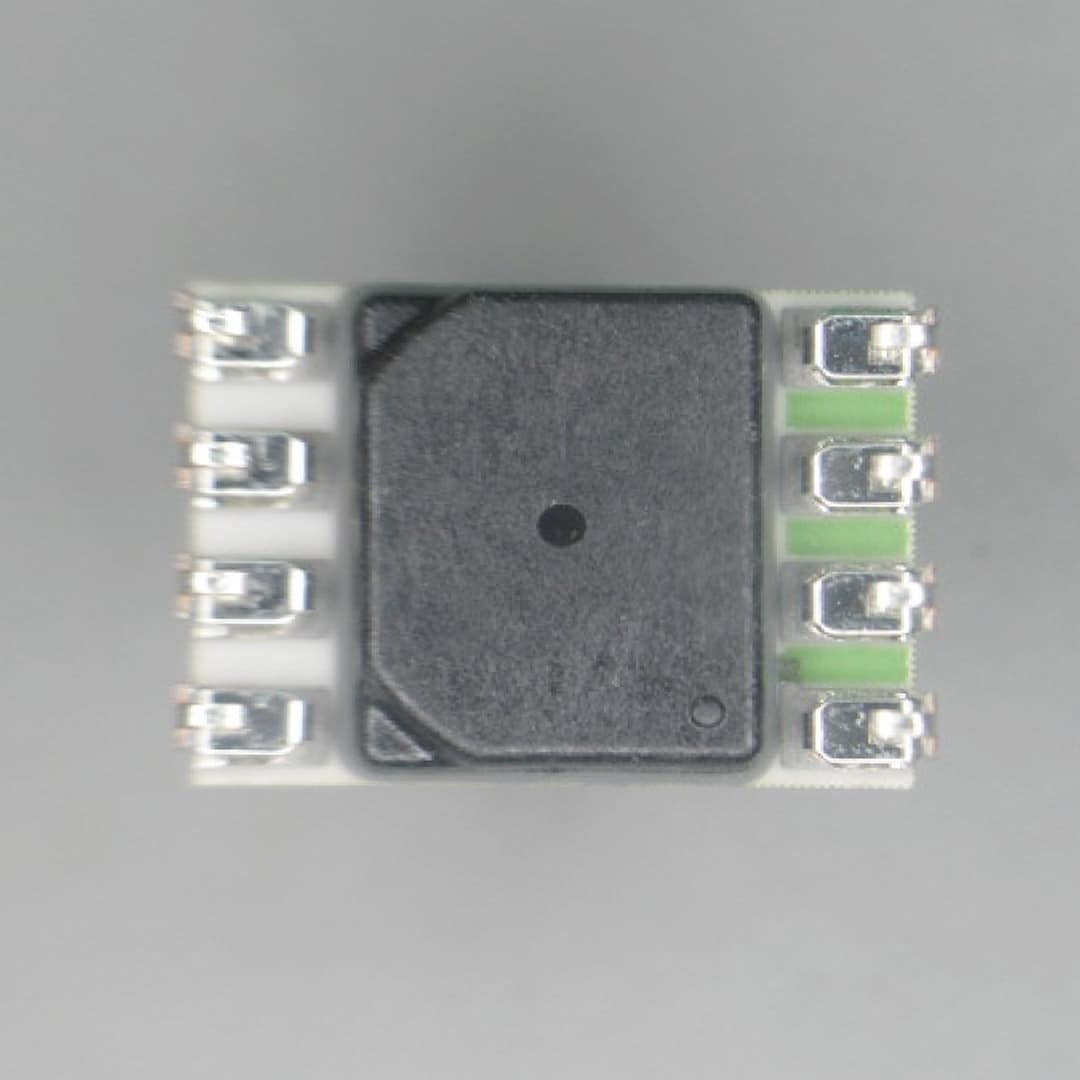
Are you sure the electronic components you’re using are genuine? Counterfeit parts can cause serious problems, from device failure to safety risks.
Learning how to spot fake components can save you time, money, and headaches. You’ll discover simple, effective ways to identify counterfeit electronic parts before they cause damage. Keep reading to protect your projects and ensure your electronics work exactly as they should.

Credit: electroniccomponent.com
Common Types Of Counterfeit Components
Counterfeit electronic components pose a significant risk to industries. They can lead to device malfunctions and safety hazards. Identifying these counterfeits is crucial for quality assurance and safety. Let’s explore the common types of counterfeit components.
Recycled Parts
Recycled parts come from discarded electronic devices. These parts are cleaned and repackaged as new. Their performance and lifespan remain unpredictable. Often, they show physical wear or damage.
Remarked Components
Remarked components involve altering original markings. Fraudsters change labels to make parts appear newer or more advanced. They often use different inks or fonts. This can mislead buyers about the component’s specifications.
Fake Packaging
Fake packaging mimics the appearance of genuine brands. It often looks nearly identical to legitimate packaging. However, there may be slight differences in color or print quality. This can trick even experienced buyers into purchasing counterfeit products.
Visual Inspection Techniques
Visual inspection is a key step in spotting fake electronic parts. It uses simple observation to find signs of counterfeit. This technique needs careful attention to detail and a good understanding of genuine components. Tools like magnifying glasses or microscopes can help reveal small differences. Visual checks catch many common problems quickly and cheaply.
Checking Labels And Markings
Labels and markings tell a lot about a component’s authenticity. Genuine parts have clear, consistent printing. Check for spelling errors or blurry text. Look at the font style and size. Compare these with official datasheets or manufacturer photos. Genuine markings are usually sharp and well-aligned. Fake parts often show uneven or faded print. Also, verify date codes and batch numbers for accuracy.
Examining Physical Damage
Physical damage can hint at counterfeit parts. Look for scratches, dents, or chips on the surface. Genuine parts usually have smooth, clean finishes. Check for discoloration or unusual textures. These flaws may indicate reused or recycled parts. Pay attention to cracks around the edges or on the body. Damage can also suggest poor storage or handling, common in fake components.
Inspecting Soldering And Leads
Check the soldering quality and leads carefully. Genuine parts have clean, shiny solder joints. Look for excessive solder or uneven layers. Inspect the leads for uniform shape and size. Bent, corroded, or rough leads often signal counterfeit parts. Compare lead color and finish with known originals. Poor soldering or damaged leads affect performance and reliability.
Testing And Verification Methods
Testing and verification methods are essential to distinguish genuine electronic components from counterfeits. These techniques help you check the authenticity and performance of parts before integrating them into your projects. Understanding these methods can save you from costly failures and ensure reliability in your devices.
Electrical Testing
Electrical testing evaluates the functionality of a component by measuring its key electrical parameters. You can check resistance, capacitance, voltage, and current to verify if the part matches the manufacturer’s specifications.
Simple tools like multimeters and oscilloscopes are handy for these tests. For example, if a resistor shows a significantly different resistance value, it could be a sign of a counterfeit part. Have you ever found a component that looked fine but failed basic electrical checks?
X-ray And Imaging Techniques
X-ray inspection reveals the internal structure of electronic components without damaging them. This method helps you spot discrepancies such as incorrect die size, wrong wire bonding, or altered internal layers.
Using X-ray imaging, you can compare suspect parts against known genuine samples. This technique is especially useful for integrated circuits and complex components where visual inspection isn’t enough. Could your current inspection process benefit from this non-destructive approach?
Using Authentication Tools
Authentication tools include specialized equipment and software designed to verify serial numbers, holograms, or embedded security features. Many manufacturers now add these features to help you confirm a component’s origin quickly.
You can scan QR codes or use RFID readers to check if a part is listed in the official database. These tools reduce the guesswork and make verification faster. Do you have access to authentication resources that could streamline your component checks?
Supplier And Documentation Checks
Checking suppliers and documentation plays a key role in spotting fake electronic parts. Trustworthy suppliers provide clear, authentic paperwork. This helps confirm that parts come from real manufacturers. Documentation also shows the part’s history and quality.
Careful supplier and document checks reduce risks. They protect your projects from delays and failures caused by counterfeit parts. Follow these steps to make sure your components are genuine and reliable.
Evaluating Supplier Reputation
Start by researching the supplier’s background. Check their years in business and customer reviews. Reliable suppliers have positive feedback and good ratings. Avoid suppliers with many complaints or unclear information.
Ask about their sourcing process. Legit suppliers buy directly from manufacturers or authorized distributors. Be cautious of suppliers offering prices far below market value. This often signals counterfeit or low-quality parts.
Verifying Certificates And Traceability
Request certificates like the Certificate of Conformance (CoC) or test reports. These documents prove the part meets quality standards. Check if certificates are signed and dated correctly.
Traceability helps track the part’s journey from factory to you. Genuine parts have batch numbers and manufacturing dates. Use this data to confirm authenticity and prevent fake components.
Cross-referencing Part Numbers
Compare the part numbers on the documentation with those on the physical parts. They should match exactly. Even small differences can indicate counterfeit items.
Use official manufacturer websites or databases to verify part numbers. Confirm the part’s specifications, appearance, and packaging details. Cross-checking ensures the component fits your application and is not fake.
Preventive Measures Against Counterfeits
Preventing counterfeit electronic components protects products and brand reputation. It saves costs and avoids failures in critical systems. Taking steps early helps stop fake parts from entering the supply chain. Focus on strong quality checks, staff awareness, and secure buying practices.
Establishing Quality Control Processes
Set up clear inspections at every stage of production. Use tools to test parts for authenticity and performance. Check labels, packaging, and component markings carefully. Record all results to track suspicious patterns. Regular audits keep processes tight and reliable.
Training Staff On Detection
Teach employees how to spot fake components quickly. Show examples of real versus counterfeit parts. Train staff to recognize unusual markings or packaging. Encourage reporting any doubts immediately. Ongoing education keeps the team alert and informed.
Implementing Secure Procurement
Buy from trusted and verified suppliers only. Avoid unknown or unapproved sources to reduce risk. Use contracts that specify quality and authenticity standards. Inspect shipments on arrival before use or storage. Maintain a list of approved vendors and update it regularly.

Credit: electronics.stackexchange.com

Credit: suntsu.com
Frequently Asked Questions
What Are Common Signs Of Counterfeit Electronic Components?
Counterfeit components often have inconsistent markings, poor packaging, and unusual weight. Look for spelling errors, faded labels, or misshapen parts. These signs help detect fakes early and avoid performance issues or failures in your electronics.
How Can I Verify Electronic Component Authenticity?
Verify components by checking datasheets, manufacturer websites, and purchase from authorized distributors. Use X-ray inspection or decapsulation tests for deeper analysis. Authenticity ensures safety, reliability, and compliance in your electronic projects.
Why Is Buying From Authorized Distributors Important?
Authorized distributors guarantee genuine parts, proper documentation, and traceability. They reduce the risk of counterfeit components that may cause device failure or safety hazards. Buying from trusted sources protects your investment and product quality.
Can Counterfeit Components Affect Device Performance?
Yes, counterfeit parts often fail prematurely or cause malfunctions. They may not meet required specifications, leading to reliability issues. Using genuine components ensures optimal performance and longer device lifespan.
Conclusion
Spotting fake electronic parts helps keep devices safe and working well. Check labels, packaging, and markings closely. Use trusted sellers to avoid risks. Test components if you can. Stay alert to unusual signs like poor quality or wrong specs. Protect your projects by knowing what to watch for.
Taking these steps saves time and money. Stay smart and careful with every part you buy.
Leave a Reply